
How to Pump Up Bicycle Tyres
A step-by-step guide to keep your bicycle tyres pumped up
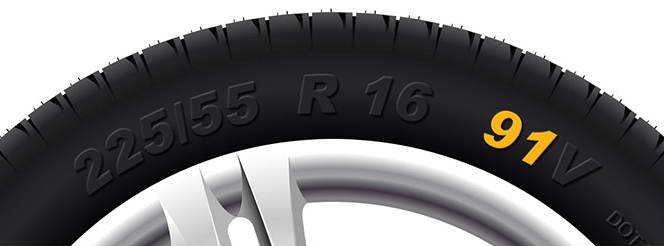
- Check your tyre sidewall to find the recommended pressure of your tyre.
- Remove the dust cap from the valves on your bike tyres.
- If you have a Presta valve, loosen the valve lock too.*
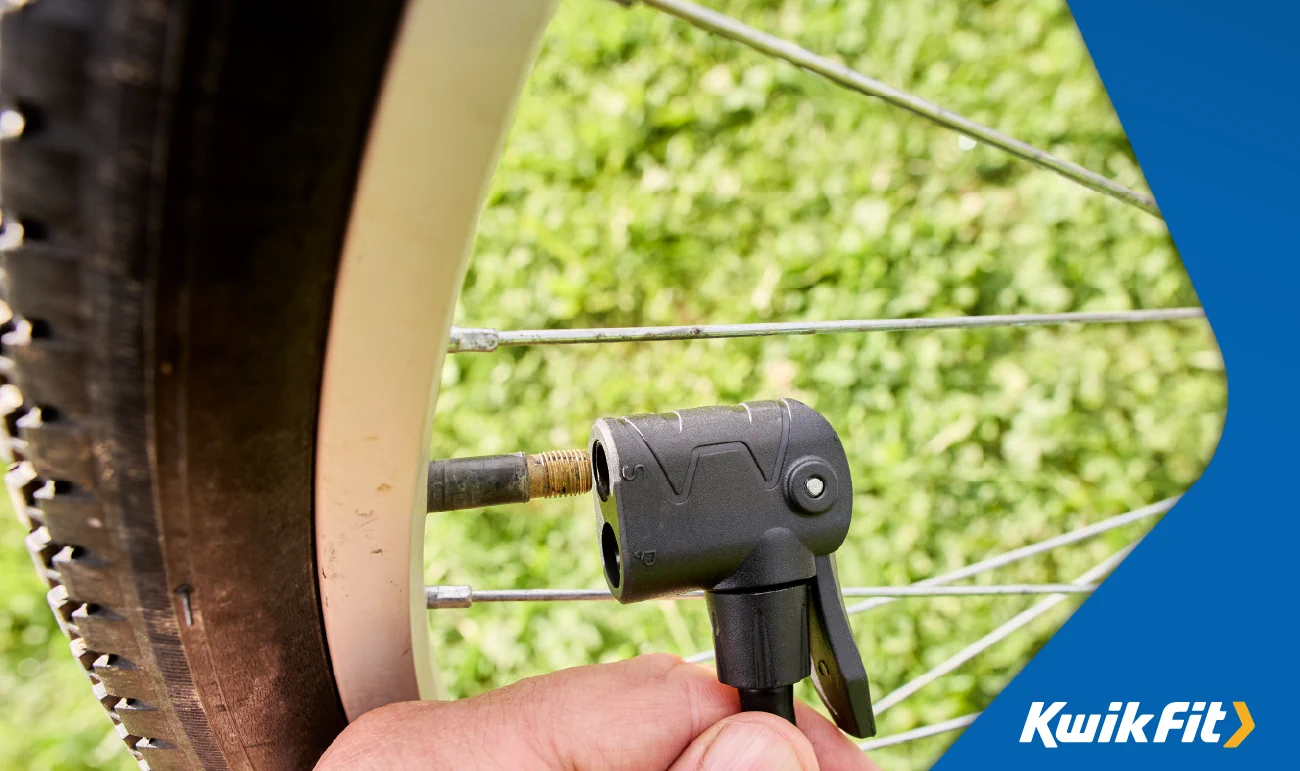
- Attach the pump to the valve stem to begin inflating your tyre. Some valves can have the pump be pressed on, others will need to be screwed on.
- Pump air into the tyre until it reaches the recommended pressure or until it feels firm if you’ve not got a pressure gauge.
- Release the valve locking mechanism and quickly remove the pump.
- Re-tighten the valve lock and put the dust caps back on.
*Scroll down for more on what Presta values and Schrader valves are.
If you’ve not gone for a good bike ride in a while, it’s quite normal for your bike’s tyres to have deflated over time. Riding on flat tyres, assuming they still have enough air to be usable, requires significantly more effort to cycle, reduces handling, and tends to result in premature wear of the tyre tread.
That being said, how do you quickly pump your bike’s tyres back up to riding pressure for an effortless ride?
Know your valves before you pump
Pumping up your bike tyres is surprisingly easy when you know how. But, first, we need to look at the two most common types of tyre valve, as these require slightly different procedures when pumping.
What are Schrader & Presta valves?
In the West, the most common valves for the last 50 years or so have been either Schrader valves or Presta valves.
Schrader valves are the wider ones you’ll usually find on car tyres – but they’re also common on mountain bikes or older road bikes.
Presta valves are much thinner and have a valve lock mechanism. They actually self-seal through the pressure inside the tyre, but the valve lock helps to stop the stem getting pressed in accidentally.
Many Presta valve pumps can have an adapter to allow you to pump Schrader valves – and many bicycle pumps are designed with sections to allow you to pump both types of valve. But be sure to find out which you need in case you’re trying to pump your tyres at the side of the road with the wrong pump!
How to pump your bike tyres
Now let’s take a look in more detail at the steps you’ll need to carry out to pump up your bike tyres if your tyres feel soft.
1. Remove the dust cap
The dust cap exists to help stop dust getting into the valve but also helps to stop the valve leaking as much air. It’s like an extra valve in a way. You don’t necessarily even need dust caps, but they also help to stop the valve rusting or corroding.
2. Loosen the valve lock on a Presta valve
With a Presta valve, loosen the valve lock at the top of the stem – this lets you press the valve stem in and get air into or out of the tyre.
3. Attach the pump head to the valve stem
Some pumps and valves need to be screwed onto the stem, some can be simply pressed on and locked with a lever. The pressure-fit ones with levers tend to be more common with modern pumps due to ease of use.
When you press it on, some air will come out and that’s normal. Just make sure that the pump is attached well enough that it’s creating a seal and stopping air from continuing to escape.
4. Start pumping up the tyre
Depending on the type of pump you have, start pumping air into the tyre until it’s at the desired pressure. The pressure depends on the type of bike that you have – road bikes, for example, will usually need to have much higher-pressure tyres than mountain bikes because they don’t need the grip and give that a mountain bike tyre would.
If you’re not sure what pressure to pump the tyre to, check the tyre’s sidewall to see what the recommended pressure is.
5. Use your fingers instead of a pressure gauge
If you don’t have a pressure gauge, press into the sidewalls of the tyre with your thumb and index finger. At the right pressure on a road bike tyre, you should barely be able to press in.
On a mountain bike, there should be between 5-10mm of give. Of course, this is a lot less accurate than using a pressure gauge but it’ll be fine in a pinch!
6. Release the valve locking mechanism
Release the valve locking mechanism for your pump and pull it off quickly and firmly.
You need to be careful here not to bang your knuckles on the bike frame or spokes – most bike mechanics start off by skinning their knuckles but you get used to the motion soon enough. If you pull the pump off too slowly then it’ll release too much air and you may need to top it up.
7. Re-tighten the Presta valve ring
At this point, your bike is ready to go, but it’s always a good idea to re-tighten the Presta valve lock ring and put the dust cap back on – then you’re ready to cycle off into the sunset!
Can I pump up my bike tyres at a petrol station?
Yes, you can technically pump up your bike’s tyres at a petrol station; however, it’s not advised. If attempting to pump up your bike tyres with a machine at the petrol station, you must be very careful as those air pump machines are designed for car tyres which are larger and have different valves in most cases.
Car tyres mostly have Schrader valves, while bikes usually have Presta valves. With that in mind, and the fact that the machines can easily increase the pressure of your bike tyres by too much, means that a petrol station run really should be your last resort.
If you’re struggling to pump up your tyres, pop into your nearest Kwik Fit and let the Fettle experts help you.
Why is it hard to pump up my bike tyre?
Wondering why your bike tyre won’t fill with air? You may be experiencing difficulty pumping up your bike tyres because:
- Your pump is broken or the pump head is leaking.
- Your pump is not compatible with the valve type. Check that your valve (either Presta or Schrader) matches the pump you have.
- Your valves are damaged or the core is stuck inside the valve, preventing air from entering.
- You have an inner tube puncture, letting out air at the rate you’re letting it in.
- Your wheels or rim are bent or damaged preventing proper inflation.
Need help with your bike?
Pumping some tyres isn’t an expert job, but if your tyres aren’t staying inflated and you can’t figure out why, take it to a professional. We’ve partnered with leading bike experts, Fettle, to offer bike repair & maintenance services right in our centres.