
Motorhome and Campervan Tyres
Getting your motorhome or campervan ready for a big adventure is all part of the excitement, helping set the stage for a safe, smooth, and enjoyable journey.
After all the fun of planning your perfect getaway or weekend escape, the last thing you want is for the adventure to pause with an unexpected tyre issue by the roadside.
Motorhome and Campervan tyres at Kwik Fit
Kwik Fit stocks a range of motorhome and campervan tyres to provide reliable performance on long journeys, including from premium brands like Michelin and Continental.

Looking for Motorhome or Campervan tyres? Look for this icon when searching for tyres.
Search By Vehicle Number Plate
Enter your postcode to see availability information from your local Kwik Fit centre.
Search By Tyre Size
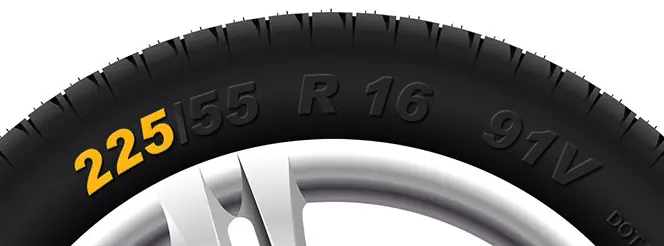
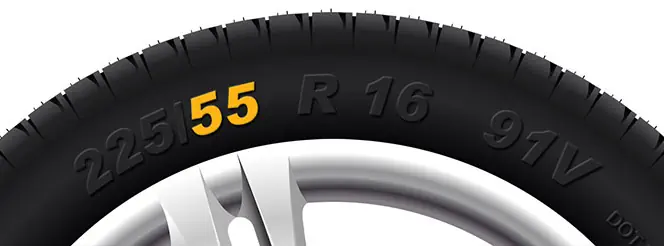
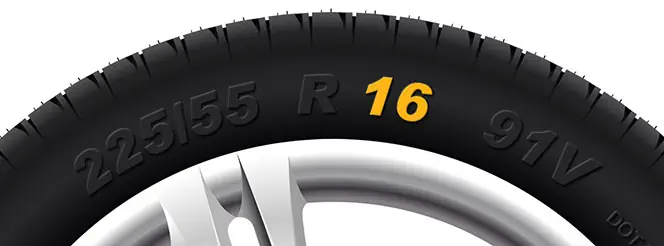
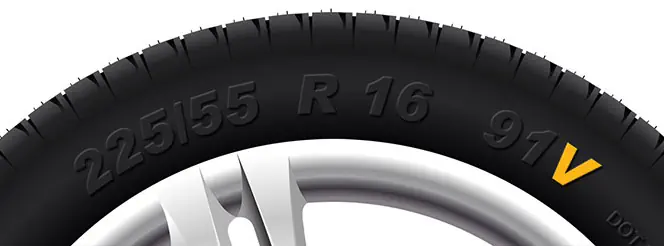
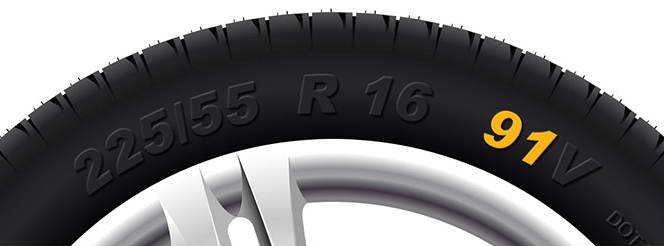
Unsure where to find your tyre size? Click here for more information.
Still unsure? Why not book a free tyre check and our technicians will inspect your tyres and let you know which tyres are suitable for your vehicle.
What are motorhome and campervan tyres?
Motorhome and campervan tyres might look similar to standard car tyres, but they’re built for a very different job.
These vehicles carry a lot more weight (think water tanks, furniture, appliances, and all your travel gear) so the tyres need to be much tougher. They’re designed with reinforced sidewalls and stronger construction to handle those heavier loads safely.
They’re also made for long journeys and different road conditions, so you can travel comfortably whether you’re cruising on the motorway or heading off the beaten track for a weekend adventure.
How are motorhome & campervan tyres different to caravan tyres?
It’s easy to assume they’re all the same, but there’s a key difference.
Motorhomes and campervans are powered vehicles, so their tyres have to do everything: steering, accelerating, and braking. That means they need good grip, heat resistance, and overall performance.
Caravan tyres, on the other hand, don’t drive, they simply roll along behind your car. Because of that, they’re designed mainly to carry weight and stay stable while being towed, rather than provide traction.
Put simply:
- Motorhome and campervan tyres are built to drive
- Caravan tyres are built to be towed
What are the differences between motorhome & campervan tyres and van tyres?
At first glance, motorhome tyres and van tyres can seem almost identical, and in some cases, they are similar. But they’re designed with slightly different priorities in mind.
Van tyres are made for day-to-day commercial use, often dealing with changing loads, frequent stops, and regular driving.
Motorhome tyres, however, are a bit more specialised. They’re designed to:
- Handle heavier, more consistent loads
- Sit still for longer periods without deteriorating
- Provide a smoother, more comfortable ride on long trips
Because motorhomes aren’t used every day, their tyres are built to resist ageing and cracking, something that’s less of a concern for working vans.
Our most popular motorhome and campervan tyres
If you’re not sure where to start, these are two of our most popular tyres for motorhomes and campervans. Trusted choices that combine durability, safety, and reliable performance for life on the road.
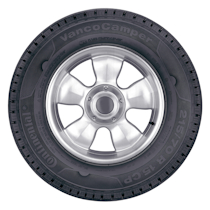
Continental Vanco Camper
The Continental Vanco Camper tyre is a great all-round choice for motorhomes and campervans, designed specifically to handle heavier loads with ease. Its reinforced construction helps provide excellent stability, even when your vehicle is fully packed for a trip. It also delivers reliable grip in both wet and dry conditions, so you can feel confident on a variety of roads. On top of that, it’s built to be durable and resist ageing, making it ideal for vehicles that aren’t used every day but still need dependable performance when it matters most.
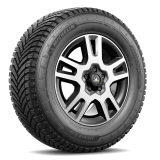
Michelin Crossclimate Camping
The Michelin CrossClimate Camping tyre is perfect if you’re planning to travel in all seasons. Designed for motorhomes, it combines strong load-carrying ability with impressive all-weather performance. Its tread pattern provides solid grip in wet, dry, and even light snowy conditions, and it carries the 3PMSF marking for winter use. With reinforced sidewalls for added stability and durability, it’s a reliable option for those who want one tyre that can handle a wide range of journeys, whatever the weather.
How often should you change motorhome or campervan tyres?
This is one that surprises a lot of people because tyres don’t just wear out, they also age.
Even if your tread still looks good, the rubber can weaken over time due to sunlight, temperature changes, and simply being stationary for long periods. As a general rule:
- Get them checked once they’re around 5 years old
- Replace them every 5 to 7 years, even if they look fine
Keep an eye out for cracks, bulges, or any signs the rubber is hardening, these are all signs it’s time for a change. It’s always worth checking your tyres before heading off on a big trip, it’s a small step that can make a big difference to your safety.
Why do campervans and motorhomes need C-rated tyres?
C-rated tyres (the “C” stands for commercial) are designed specifically for heavier vehicles, which makes them ideal for campervans and motorhomes.
They’re built to handle the extra weight and provide better stability on the road, especially when your vehicle is fully loaded for a trip.
With C-rated tyres, you get:
- Higher load capacity
- Stronger, reinforced construction
- Better handling and stability
Using standard car tyres instead might seem tempting, but they’re simply not designed for the job and that can affect both safety and performance. In short, C-rated tyres help make sure your vehicle handles exactly as it should, giving you peace of mind while you’re out exploring.
Motorhome and campervan travel checklist
The best why to ensure a great journey full of memories without worrying about your tyres is being prepared by making simple checks before and during your adventure. Here's a simple checklist for you to follow:
Before departure:
- Check vehicle manufacturer requirements for your tyre
- Tyre condition - including tread depth, tyre pressure, any damage like cracks, bulges and punctures
- Awnings, blinds and battery check
- Correct camping equipment and water supply
- Bring vehicle documents and road maps/sat nav
During loading:
- Secure loose objects
- Avoid overloading
During your journey:
- Drive carefully and sensibly to avoid excessive tyre wear and damage
- Look out for potholes