
Can Geography Dictate Your Car’s Lifespan?
Jessica Bird | Thursday 19th March 2026 10:37am

When we think about how long a car lasts, most people focus on mileage, servicing habits, or the make and model. But geography can play a surprisingly powerful role in determining a vehicle’s longevity. From salty coastal air to pothole-ridden country lanes and stop-start city traffic, where you live can shape how quickly your car ages.
While modern vehicles are built to last longer than ever, geography still influences wear and tear in ways many motorists overlook. And understanding how those local conditions affect your vehicle can help you to take smarter steps to protect it. Let’s look at what you need to know.
What is the life expectancy of a car today?
The average car lifespan has increased significantly over the past few decades, thanks to improved engineering, better rust protection, and more durable materials. Many modern vehicles can now comfortably exceed 200,000 miles when properly maintained.
In the UK, most cars stay on the road for around 14–16 years on average. However, this figure varies depending on driving conditions, maintenance habits, and environmental exposure. In fact, many cars can live upwards of 25 years, particularly when they’re well maintained and driven in favourable conditions.
So let’s look at the ways different geographic areas affect your car’s longevity.
Coastal areas = salt and corrosion
Living near the sea might be great for the view, but it’s not always ideal for your car.
Essentially, salt is one of the biggest enemies of vehicle longevity. Coastal air carries microscopic salt particles that settle on exposed metal surfaces. Over time, this accelerates corrosion, especially on areas such as the underbody (due to splashes from the road when driving), suspension components, and exhaust systems.
The UK already sees heavy road salting during winter to combat icy conditions. Combine that with salty coastal air, and vehicles in seaside regions can face a double dose of corrosion risk.
Even modern cars with galvanised steel and protective coatings are not immune. Over many years, corrosion can gradually weaken structural components, making repairs more frequent (and therefore more expensive) and effectively shortening the vehicle’s usable life.
Drivers in coastal locations can help slow this process by washing their vehicles regularly, especially underneath, and ensuring any scratches or chips in paintwork are repaired quickly to prevent rust from taking hold.
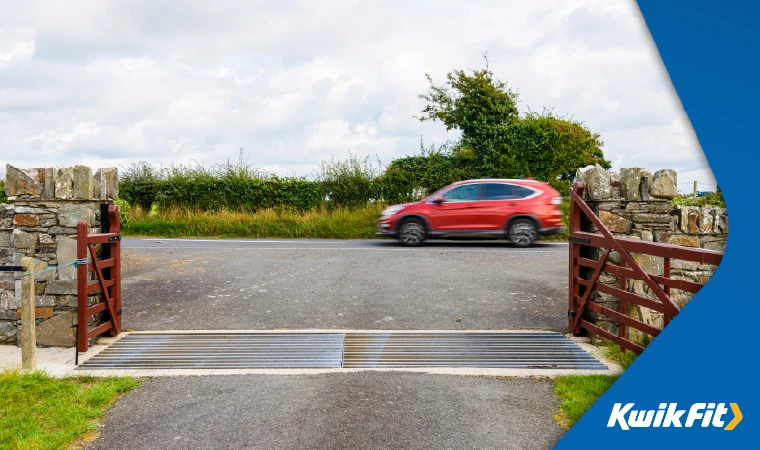
Rural roads = rough surfaces and hidden hazards
If you live in the countryside, your car might avoid city congestion – but rural driving brings its own challenges.
Country roads are often narrower, less maintained, and more prone to potholes. These rough surfaces place extra strain on suspension systems, tyres, and wheel alignment. Repeated impacts from uneven road surfaces can gradually damage shock absorbers, springs, and steering components.
Loose gravel on rural lanes can also cause chips in paintwork or windscreens. While these may seem minor at first, they can contribute to rust formation or require costly repairs over time.
Mud and debris are yet another factor. Rural driving, especially over the wetter months, often exposes vehicles to dirt, which accumulates under wheel arches and along the underbody. When left untreated, this trapped moisture can also accelerate corrosion.
For drivers in rural areas, routine inspections and timely servicing become particularly important in maintaining a healthy vehicle lifespan – but regular cleans also go a long way to helping stop deterioration.
Urban driving = hidden wear through stop-start traffic
In contrast to coastal and rural driving, cities present a completely different set of stresses for vehicles.
Urban driving typically involves frequent braking, accelerating, and idling in traffic. This stop-start pattern places extra strain on several key components, especially on brakes, clutches, and gearboxes.
Short city journeys can also prevent engines from reaching their optimal operating temperature. When this happens regularly, it can increase engine wear, and reduce overall efficiency.
We often see brake pads and discs, for example, wear down far more quickly in city environments compared with vehicles driven primarily on motorways. Similarly, automatic gearboxes can experience additional strain when constantly shifting in slow traffic.
These factors don’t necessarily mean city cars won’t last as long – but they do mean they may require more frequent maintenance on brakes and engines to reach the same lifespan.

Climate extremes and their impact
Although the UK generally has a moderate climate, regional differences still affect vehicles.
As mentioned, areas with colder winters usually experience increased exposure to road salt and freezing temperatures, both of which can affect battery performance and mechanical components. Batteries often struggle in low temperatures, which can shorten their lifespan if they are already ageing.
In wetter regions, persistent moisture can contribute to rust formation and electrical issues over time. Meanwhile, vehicles exposed to strong sunlight for extended periods may see fading paintwork and interior wear, as well as a slightly higher chance for rubber seals to perish prematurely.
These environmental influences accumulate slowly but steadily over the life of a vehicle.
Maintenance matters more than location
While geography plays a role, it’s only really one piece of the puzzle. One thing that remains a clear constant is that the solution to many of the challenges posed by location and environment is to make sure you’re opting for regular maintenance at reputable garages.
We know from decades of experience that a well-maintained car in a harsh environment can outlast a poorly maintained vehicle in ideal conditions. Regular servicing, prompt repairs, and careful driving habits do wonders for extending how long a car remains reliable.
On top of that, drivers who frequently clean their vehicles, protect exposed metal surfaces, and address small issues before they become larger problems often see their cars lasting longer than the average car lifespan. So a regular clean isn’t just an aesthetic choice - it’s an affordable way to help keep your car on the road for longer.
So, whether you’re navigating busy urban streets, country lanes, or seaside roads, be sure to stay on top of maintenance with the help of the experts at your local Kwik Fit centre; if you ever need advice or repairs, we’re always on hand to help.


Any facts, figures and prices shown in our blog articles are correct at time of publication.
Featured Articles
Is it Illegal to Drive With One Headlight?
Saturday 19th July 2025

Wondering if it’s illegal to drive with one headlight? Learn about the safety risks and penalties of illegal blown bulbs and why you should fix them promptly.
Air Con in EVs & Hybrids: Experts Answer Your Questions
Monday 30th June 2025

Does air con drain EV batteries? Can you use the air con while charging an electric car? Find out the answers to these questions & more from Kwik Fit’s experts.
Why Is Your Car Making a Noise? Fixes & Tips
Friday 13th June 2025

When your car starts making unexpected noises, it can certainly be quite disconcerting; it may be nothing to worry about, but here’s what you need to know.