
Can You Do An Oil Change At Home?
Jessica Bird | Thursday 5th March 2026 9:30am
Engine oil plays a vital role in keeping your car running smoothly, lubricating moving parts and regulating engine temperature.
Over time, however, oil breaks down. Dirt, debris, and contaminants build up, reducing its ability to protect your engine, while the oil filter itself can become clogged and less effective.
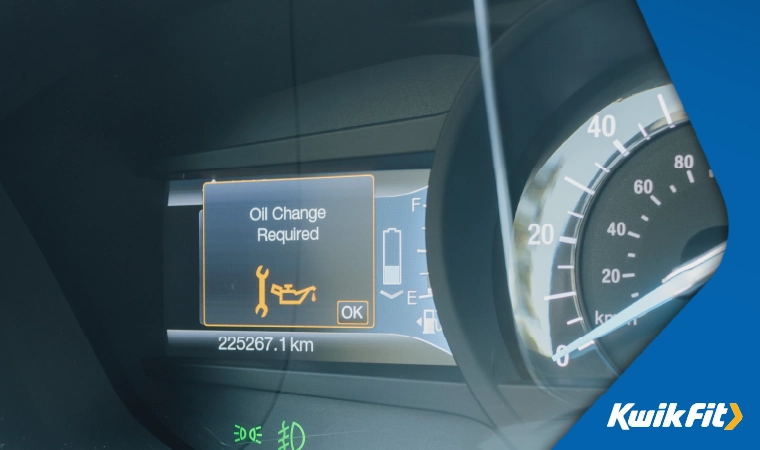
For most vehicles, a good rule of thumb is to change your oil every 10,000 miles or once a year, although this can vary depending on your driving habits and vehicle type. But, is it possible to do an oil change at home, and is it worth it?
Is it worth changing oil yourself?
If you’re confident in carrying out car maintenance, it can be worth changing your oil yourself. But, it’s not always the most convenient, safest, or cost-effective option, especially if you’re inexperienced.
DIY-ing an oil change can be fine if you already have the right tools, the knowledge, and a suitable space to work in. Having to do an oil change in an on-street parking space, for example, is likely to be really difficult (if not outright dangerous).
For many drivers, the relatively small amount of money saved isn’t worth the effort and potential danger of changing oil at home, not to mention the added hassle of having to then dispose of the old engine oil. So, a professional oil change tends to be a much more straightforward and reliable option.
What's involved in a DIY oil change?
If you decide to change your oil at home, the process involves more than simply draining and refilling. In most cases, you’ll need to raise the vehicle to access the oil pan, which requires a jack, axle stands, and wheel chocks to ensure the car is stable and secure. Working under a vehicle supported only by a jack is unsafe, so proper equipment and knowledge is essential.
Once access is gained, the old oil needs to be drained into a suitable container by removing the sump plug. This step can be messy if not handled carefully, and used engine oil is a real nightmare to clean off surfaces. The oil filter then needs to be removed and replaced with the correct type for your vehicle, before refilling the engine with the recommended oil grade and quantity.
Finally, the used oil must be taken to a licensed disposal facility, as it is classified as hazardous waste and cannot be disposed of with general household rubbish or poured down drains.
Let’s look at these steps in some more detail.
1. Safely raise the vehicle
To access the oil pan, you’ll usually need to lift your vehicle off the ground. This requires a suitable jack and, more importantly, axle stands to securely support the car while you work underneath it. Sturdy wheel chocks should also be used to prevent any movement. It’s essential that the car is stable before you begin.
2. Drain the old oil
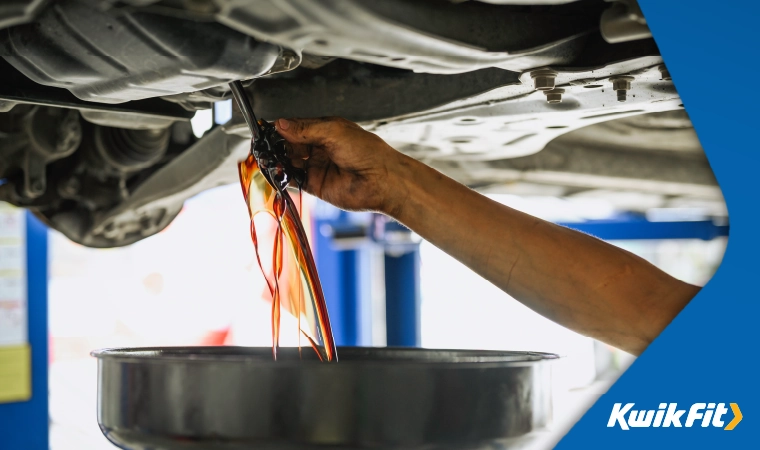
Once you have safe access, you’ll need to position a container beneath the oil pan and remove the drain plug. The oil will begin to flow out immediately, so it’s important to be prepared. This part of the process can be messy, particularly if the oil is still warm, and care should be taken to avoid spills and contact with skin.
Note: Handling hot oil can be dangerous if the engine hasn’t been allowed to cool sufficiently. And this can be deceptive; while the outside of the oil pan may not feel especially hot, the oil inside can be a lot hotter. Moreover, getting hot oil on your skin, like with cooking oil, isn’t easy to quickly remove and can result in fairly nasty burns.
3. Replace the oil filter
After the oil has drained, the next step is to remove the old oil filter. This can sometimes be tight or awkward to access, depending on the vehicle. The new filter should be fitted correctly and securely, ensuring it matches the specifications for your car to maintain proper filtration.
4. Refill with new oil
With the drain plug reinstalled and the new filter in place, you can refill the engine with fresh oil. It’s important to use the correct oil grade and the right quantity, as specified in your vehicle handbook. Once filled, the oil level should be checked using the dipstick to ensure it sits within the recommended range.
5. Dispose of used oil properly
The final step is dealing with the used oil, which is classified as hazardous waste. An old technique for dealing with used oil (for DIY oil changes) was to pour it into a hole in your garden – but we’ve come a long way since then in realising how damaging that is for the environment.
Instead, it must be transferred into a sealed container and taken to a licensed recycling or disposal facility. Pouring it down drains or disposing of it with general waste is both environmentally harmful and actually illegal in the UK.
What’s more, leaving spilt oil on the road during a roadside oil change can also land you with a hefty fine.
What's the difference between a DIY & professional oil change?
While changing your oil yourself may seem cheaper initially, it requires investing in tools, materials, and your own time. A professional service, on the other hand, is convenient and efficient, typically with the job completed quickly while ensuring everything is handled safely.
Crucially, professional technicians also take care of a lot of the headaches of oil disposal and often carry out additional checks during the service, such as inspecting lights, warning indicators, and key safety components. This added oversight can help identify potential issues early, something that is easily missed during a DIY job.
Book an engine oil and filter change
DIY car maintenance is a great way to help extend the lifespan of your vehicle and keep you safe on the roads, but this shouldn’t come at the expense of professional annual servicing. Check out our recent blog on DIY car maintenance you can do at home to help keep your car in tip-top condition between visits to a garage.
If you’re between services or have concerns about your engine oil, take a look at our engine oil and filter replacement service. We include replacing the sump plug washer as well as performing additional checks for gauges, warning lights, and brakes to make sure your car’s always road-ready.
Find your nearest Kwik Fit centre here.


Any facts, figures and prices shown in our blog articles are correct at time of publication.
Featured Articles
Is it Illegal to Drive With One Headlight?
Saturday 19th July 2025

Wondering if it’s illegal to drive with one headlight? Learn about the safety risks and penalties of illegal blown bulbs and why you should fix them promptly.
Air Con in EVs & Hybrids: Experts Answer Your Questions
Monday 30th June 2025

Does air con drain EV batteries? Can you use the air con while charging an electric car? Find out the answers to these questions & more from Kwik Fit’s experts.
Why Is Your Car Making a Noise? Fixes & Tips
Friday 13th June 2025

When your car starts making unexpected noises, it can certainly be quite disconcerting; it may be nothing to worry about, but here’s what you need to know.