
Expert Tips For Buying A Car For The First Time
Jessica Bird | Monday 23rd February 2026 11:35am
If you’ve just passed your test or are looking to get out on the roads in your own vehicle, buying a car can feel like a daunting task.
From price range and extra costs to paperwork and dealerships, there are a lot of factors to juggle. Use these expert tips to help you settle on a reliable, smart car choice that really works for you and your budget, without foregoing comfort or style.
What do I need to do when buying my first car?
When starting the process of buying your first car, you’ll need to:
- Set a realistic budget.
- Work out your needs and must-haves from a vehicle.
- Decide whether you want to buy a new or a used car.
- Decide whether you want to pay monthly or buy outright.
- Make sure you’ve got a safe place to park your car.
- Research potential cars online and start visiting dealerships.
- Gather insurance quotes based on cars you’re considering.
- Test drive some cars you may be interested in buying.
- Make sure you are on top of the post-purchase paperwork (taxing, insuring, and registering ownership with the DVLA).
These are the essentials for buying a car. Below, we’ve listed 10 tips to help make the process even smoother, from factoring in every cost to not getting caught out at dealerships.
Buying a used car?
Deciding to purchase a used vehicle is a great way to cut costs; however, based on age and mileage, doing your due diligence to establish the vehicle’s condition is important.
Ten tips for buying a car
1. Be budget-accurate, not budget-optimistic
When estimating how much you could afford to spend on a car (either outright or monthly), be as accurate as possible. While it may seem tempting to stretch for something flashier, you could struggle with payments further down the line if your budget’s not reflective of your actual financial situation.
2. Plan for long-term costs
When budgeting, don’t just consider the cost of the car or the monthly payment. Your budget should also account for fundamentals, long-term costs, and miscellaneous or worst-case expenses. Factor in:
- Road tax for your make and model - EVs are now no longer exempt.
- Insurance - not just the legal minimum, but comprehensive should you need it.
- Fuel or the cost of charging your electric or hybrid vehicle (and the price of installing an at-home charger).
- MOTs and any repairs that may need to be done before or after.
- Maintenance - including replacement parts, repairs, and servicing. If two new tyres need to be replaced due to flats or worn tread, could you afford this for your model of car?
- Miscellaneous - accessories, parking charges, car washing, tolls, and regional charges like the ULEZ (depending on where you live).
Plan this out monthly and factor in when you may be required to pay lump sums.
3. Don't buy the first car you see
Don’t rush the car-buying process. Research, compare, make pro/con lists, ask friends or family members for recommendations, and test multiple models.
A considered approach prevents you from overlooking important things like finance options, clauses, or warranty details.
4. Don't focus on monthly payments alone
If you’re choosing a finance option, it’s common for dealerships to try and attract you with low monthly payments. However, it’s just as important to consider the total cost of a car before buying. Trying to negotiate on an overall price could serve you better in the long-run.
5. Don't ignore insurance until the end
While there’s a lot of science that goes into calculating insurance prices, to the average driver they can seem random - and sometimes surprisingly high. This is especially the case for new drivers with limited experience and no no-claims history to bring costs down.
Don’t get caught off guard; get a handful of insurance quotes early on so you know what you can expect to pay each month (or upfront).
If you’re worried about insurance, stick with a reputable company like Kwik Fit or use trusted comparison sites like MoneySupermarket, GoCompare, Confused.com, or Uswitch.
Bringing insurance costs down
You can potentially lower your insurance premium by adding an experienced named driver to the quote, like a parent, as long as they will be driving the car. You can also choose a car in a lower insurance group or consider a telematics device (“black box”) to make costs cheaper.
6. Don't skip the test drive
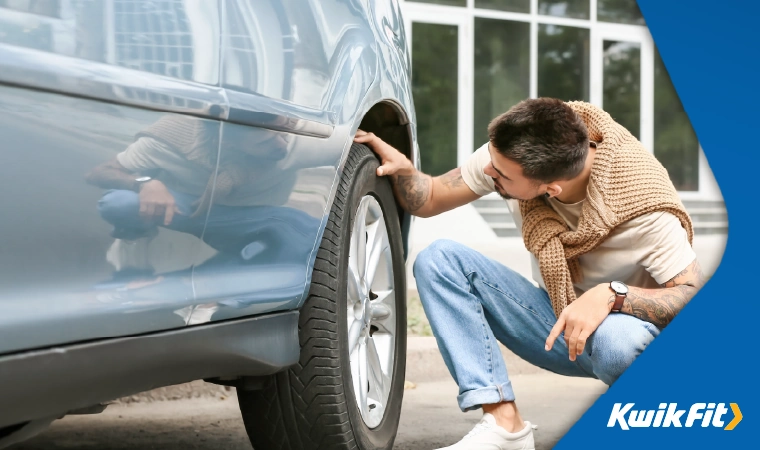
Many first-time bar buyers feel anxiety around test driving and negotiating with dealerships. While this is natural, it’s essential that you know exactly how your car is going to feel before you buy it. So, even if you ask a friend or family member to accompany you (or even drive it for you), a test drive is a must to show you how a car performs.
While on the drive: listen out for noises, notice how the car feels, and stay tuned in to any safety features like reversing cameras, sensors, and ADAS features.
7. Don't get blinded by overpriced add-ons
It can be easy to get caught up in dealership jargon and accidentally get tied into features or add-ons you don’t need when buying a car for the first time. While warranties are helpful to protect your car, take time to think whether you need add-ons like paint protection or anti-theft devices, as things like this can often cost a lot extra.
Like the test drive, bringing along a trusted friend or family member for a second opinion here would be a good idea.
8. Reliability research is a must
It’s a well-known fact that certain makes of car are seen as more reliable than others, just like certain cars seem to run though tyres or brake pads much quicker than others.
When considering a certain model, do your research into what it's “known for” and common issues that drivers flag again and again. For example, Which? recently revealed that models like the Nissan Juke and Volkswagen Tiguan commonly break down and have lower reliability ratings than other models.
9. Take size and style into account
When choosing a car, don’t underestimate the importance of size and style on your decision. If you don’t have a driveway and need to rely on on-street parking, then opting for a long estate car or a large SUV might not be wise, especially if you’re still getting the hang of parallel parking.
Equally, a small car (like a Citroen C1 or a Toyota Aygo) might be too small for you if you regularly have passengers, a dog, equipment, or need space for car seats and luggage.
10. Do your future a favour
By this point, we’ve established that a lot goes into making the decision of what car to buy. So, it’s unlikely that you’ll want to repeat this process within a year or two. To avoid having to buy another new car any time soon, try to anticipate your future needs as much as possible.
You might want to consider whether you’re planning on having children in the next 5 years (in which case, steer clear of the two-seater convertible). Planning a move to the city? Then perhaps a Land Rover Defender isn’t wise.
What is the biggest mistake that first time car buyers make?
Now let’s take a look at the most common pitfalls made by drivers buying a car for the first time:
- Ignoring the total cost - Fixating on the lump sum for the vehicle (or the monthly finance fee) often results in a nasty surprise for new drivers when the tax and insurance come through.
- Not trying before buying - Just because you might not know a lot about cars, doesn’t mean you should skip the inspections and testing out the features.
- “Emotional buying” - First-time buyers often have a preconceived idea of a “dream car” in their heads which can wreak havoc on their wallets. Opting for a more “uncool” but sensible and reliable model is a far smarter choice than buying a car because you think it looks nice.
What to do when you've bought a car
Once you’ve bought yourself a car (congratulations), there are some essential steps to follow to make sure you A) own it legally and B) can drive it lawfully.
To help you, we’ve put together a guide to car admin, from tax to insurance.
- Get the vehicle registered in your name. The DVLA will need to be informed that you are now the legal keeper. How you do this depends on whether it has a V5C registration certificate (log book). All new cars should have this.
- Register for MOT reminders so you never forget.
- Insure the vehicle before you drive it on the road.
- Tax the vehicle before you drive it on the road.
Get help with your new car from Kwik Fit
Be it regular servicing to keep your car in good shape or free tyre and brake checks for peace of mind, your local Kwik Fit is always here to help with your first car. Contact our team today for advice or head to our new driver-friendly Guides section for step-by-step instructions on the basics like fuelling up, checking you’re taxed, and parking.


Any facts, figures and prices shown in our blog articles are correct at time of publication.
Featured Articles
Is it Illegal to Drive With One Headlight?
Saturday 19th July 2025
Wondering if it’s illegal to drive with one headlight? Learn about the safety risks and penalties of illegal blown bulbs and why you should fix them promptly.
Air Con in EVs & Hybrids: Experts Answer Your Questions
Monday 30th June 2025
Does air con drain EV batteries? Can you use the air con while charging an electric car? Find out the answers to these questions & more from Kwik Fit’s experts.
Why Is Your Car Making a Noise? Fixes & Tips
Friday 13th June 2025

When your car starts making unexpected noises, it can certainly be quite disconcerting; it may be nothing to worry about, but here’s what you need to know.