
What Are Cat N And Cat S Cars?
Jessica Bird | Friday 2nd January 2026 9:40am
When your car is involved in an accident, one of the first things your insurer will decide is whether it’s worth repairing or if it’s a total loss. You may then hear terms like ‘Cat N’ or ‘Cat S’ used to describe the vehicle’s status.
These terms are part of the official insurance write-off categories, used across the UK to identify the extent of damage a vehicle has sustained and whether it can safely return to the road.
In this guide, we’ll explain what these categories mean, how they replaced the older Cat C and Cat D labels, and what to look out for if you’re thinking about repairing or buying a written-off car.
What does it mean when a car is written off?
A car is “written off” when an insurer decides that repairing it isn’t financially viable or safe.
This doesn’t always mean the car is beyond repair; sometimes it simply costs more to fix than the vehicle is worth. In other cases, the structural damage may be so severe that it would be unsafe to drive again.
The decision is based on guidance from the Association of British Insurers (ABI) Salvage Code of Practice, most recently updated in 2025. This code standardises how insurers categorise damaged vehicles, ensuring clarity for drivers and the used-car market.
The four insurance write-off categories
When an insurer assesses a damaged car, it’s placed into one of four categories. These range from vehicles that must be scrapped to those that can be safely repaired and returned to the road.
| Category | Meaning | Repairable? | Example |
|---|---|---|---|
| Cat A | Total loss. Vehicle must be scrapped. No parts can be reused. | No | Vehicle destroyed by fire or severe impact. |
| Cat B | Severe structural damage. Usable parts may be salvaged, but the shell must be crushed. | No | Chassis bent beyond repair, but engine or seats are reusable. |
| Cat S | Structural damage that can be professionally repaired. | Yes | Crumpled side panel or bent chassis leg. |
| Cat N | Non-structural damage, repairable, but still written off due to cost or complexity. | Yes | Cosmetic, electrical, or interior damage. |
Cat S and Cat N are the most common categories you’ll encounter when buying a used car, so let’s take a closer look at what they really mean.
What is a Cat S car?
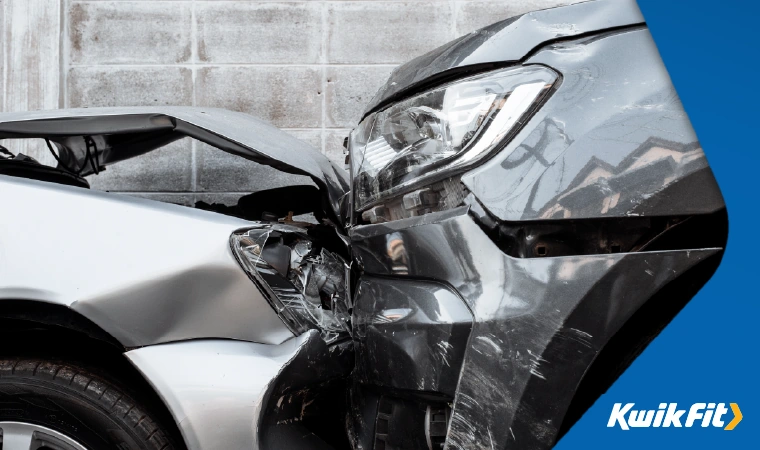
A Cat S car has suffered structural damage, but can be repaired safely.
“Structural” doesn’t always mean catastrophic; it simply refers to any part of the car’s frame or chassis that contributes to overall strength and safety. Damage might include a twisted floorpan, bent crumple zone, or compromised suspension mount.
If repaired by a qualified professional, a Cat S car can return to the road, but it must first be re-registered with the DVLA to confirm that all repairs meet roadworthy standards.
For example: A collision that damages a vehicle’s front corner and chassis leg. The repairs involve realigning the frame, replacing body panels, and ensuring all safety systems function correctly.
While it can be made safe again, a Cat S car usually sells for less than an equivalent undamaged model because of its history.
What is a Cat N car?
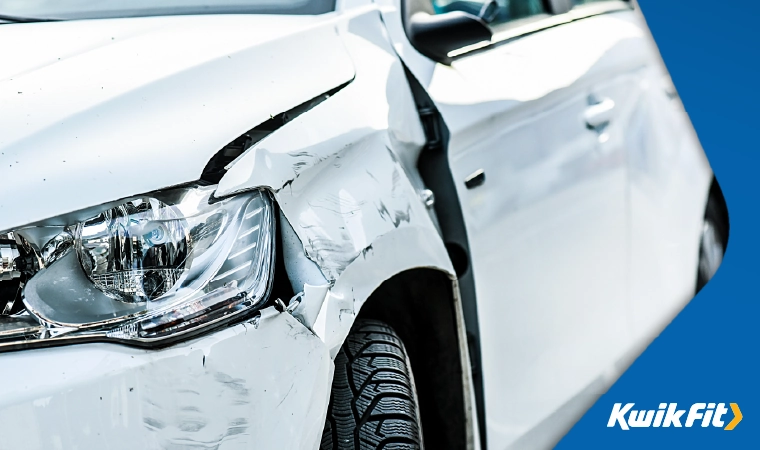
A Cat N car has non-structural damage. This means the car’s main frame and safety-critical parts are intact, but there may still be issues with the bodywork, electronics, or interior that make it uneconomical to repair.
Once brought up to a safe standard, a Cat N vehicle can legally be returned to the road without requiring DVLA re-registration.
For example: A car that’s had its front bumper, lights, and bonnet damaged in a low-speed collision, but the structure beneath is unharmed.
What happened to Cat C and Cat D cars?
Before 2017, insurers used Category C and Category D to classify written-off cars.
- Cat C meant the repair costs exceeded the car’s value.
- Cat D meant repair costs were lower than the car’s value, but other factors (like hire-car fees or admin costs) made it uneconomical to fix.
In October 2017, these were replaced by Cat S and Cat N to make the system clearer and more focused on safety rather than cost.
While older cars may still carry a Cat C or D marker on their history report, all modern classifications now follow the Cat A–N system.
Should you buy a Cat N or Cat S car?
Buying a Cat N or Cat S car can be a way to save money, but it comes with a few important caveats.
The pros
- Lower purchase price than equivalent undamaged models.
- Often perfectly roadworthy once repaired.
- It can be a cost-effective choice if you plan to keep the vehicle long-term.
The cons
- Reduced resale value, the write-off status will always appear on history checks.
- Insurance premiums may be higher.
- Repairs must be done to a safe, professional standard.
Before buying, always perform a vehicle history check using the Motor Insurance Anti-Fraud and Theft Register (MIAFTR) or an HPI check. These will confirm the category, repair date, and any outstanding finance or previous accidents.
It’s also essential to have the vehicle inspected by a qualified mechanic to ensure it’s structurally sound, even if it’s classed as a Cat N.
For more details, check out our Complete Guide to Buying a Second-Hand Car.
Repairing and re-registering a written-off car
If you do decide to repair a Cat N or Cat S car, the process must meet UK road safety and insurance standards.
- Cat S vehicles must be inspected, repaired by a qualified professional, and re-registered with the DVLA before returning to the road.
- Cat N vehicles do not require re-registration, but must still pass an MOT and meet all safety requirements.
Even minor electrical or cosmetic repairs should be carried out to manufacturer standards, using approved replacement parts.
At Kwik Fit, our technicians use modern diagnostic tools and DVSA-approved procedures to ensure every repair or inspection meets strict road safety regulations.
Insurance and disclosure rules
When a car has previously been written off, sellers are legally required to tell buyers its category (Cat N, Cat S, etc.) before sale. This falls under UK consumer protection law, which ensures all information about a vehicle’s history is clear, fair, and not misleading.
Insurers, meanwhile, must handle write-off claims and valuations transparently in line with the FCA Consumer Duty principles, ensuring customers understand how their claim has been assessed and paid out.
To protect yourself, always check a vehicle’s history using the DVLA, Motor Insurance Anti-Fraud and Theft Register (MIAFTR), or an HPI check before buying.
The bottom line
Understanding the key difference between Cat N and Cat S categories helps you make better decisions about car ownership, repairs, and insurance.
- Cat S: Structural damage, repairable but requires re-registration.
- Cat N: Non-structural damage, repairable and can return to the road once fixed.
A written-off car isn’t automatically unsafe, but it does require extra care, transparency, and professional checks to ensure it’s roadworthy.
If you’ve bought a Cat N or Cat S car, book a free vehicle safety check at your local Kwik Fit to make sure it’s repaired correctly, meets MOT standards, and is safe to drive.


Any facts, figures and prices shown in our blog articles are correct at time of publication.
Featured Articles
Is it Illegal to Drive With One Headlight?
Saturday 19th July 2025
Wondering if it’s illegal to drive with one headlight? Learn about the safety risks and penalties of illegal blown bulbs and why you should fix them promptly.
Air Con in EVs & Hybrids: Experts Answer Your Questions
Monday 30th June 2025
Does air con drain EV batteries? Can you use the air con while charging an electric car? Find out the answers to these questions & more from Kwik Fit’s experts.
Why Is Your Car Making a Noise? Fixes & Tips
Friday 13th June 2025

When your car starts making unexpected noises, it can certainly be quite disconcerting; it may be nothing to worry about, but here’s what you need to know.