
What to Do If You Get Pulled Over While Driving?
Jessica Bird | Saturday 21st February 2026 8:32am
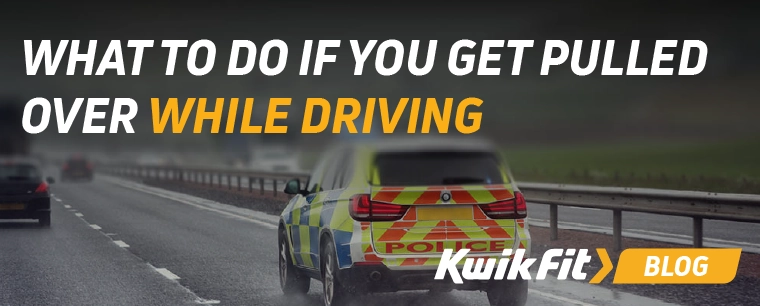
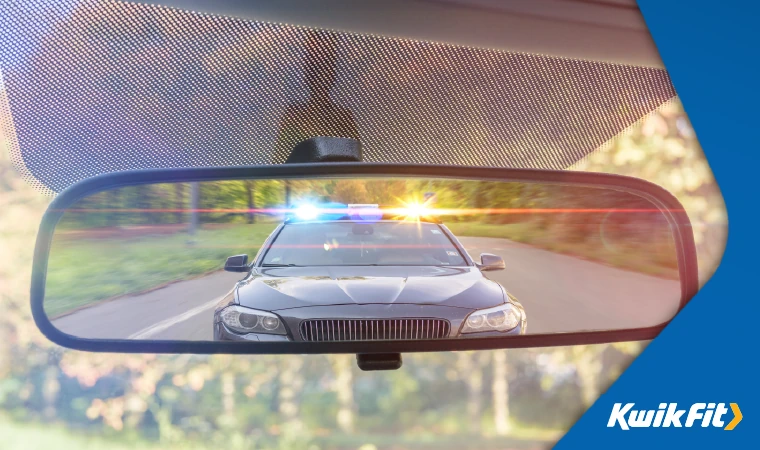
Seeing blue lights in your rear-view mirror can be unsettling, especially if you’ve recently passed your test or haven’t experienced a roadside stop before. Even confident drivers can feel a moment of anxiety when they realise they’re being pulled over by police.
In most cases, however, being pulled over is routine. Police officers carry out roadside stops for a variety of reasons, many of which are straightforward and quickly resolved. Knowing what to do if you get pulled over, what documents you may need, and how to handle the situation calmly can make the experience far less stressful.
Here’s what to expect, and how to respond safely and confidently.
Why would you be pulled over by the police?
There are many reasons why a car might be pulled over by police in the UK. Some stops relate to driving behaviour, while others are connected to vehicle condition or routine checks.
Common reasons include:
- Speeding or suspected speeding
- Faulty lights or visible vehicle defects
- Expired MOT, insurance, or tax
- Concerns about tyre condition
- Suspicion of distracted driving
- Automatic Number Plate Recognition (ANPR) alerts
- Random roadside checks
In many situations, a stop may be precautionary. For example, a broken brake light or number plate light can prompt an officer to pull you over, even if your driving is otherwise safe.
What to do if you get pulled over
If you notice police lights behind you or are signalled to stop, staying calm is the most important first step. Here’s what to do:
- Acknowledge the signal - Indicate clearly that you’ve seen the officer’s request to pull over.
- Choose a safe place to stop - Pull over as soon as it is safe to do so. Look for a lay-by, side road, or well-lit area. Avoid stopping abruptly in unsafe locations unless directed to do so.
- Switch off your engine - Once stationary, turn off the engine and apply the handbrake.
- Keep your hands visible - Place your hands on the steering wheel so they are clearly visible. This helps reassure the officer.
- Wait for instructions - Remain in the vehicle unless instructed otherwise. The officer will approach and explain the reason for the stop.
Remaining polite and cooperative helps ensure the stop proceeds smoothly. Most roadside checks are resolved within minutes.
What will the police ask you for?
If you’ve been pulled over by police in the UK, you may be asked to provide certain documents. These typically include:
- Your driving licence
- Proof of insurance
- MOT certificate
- Vehicle registration details
In many cases, officers can check your insurance and MOT status electronically using national databases. If you don’t have your documents with you, you may be given time to produce them at a police station.
It’s worth ensuring that your documents are valid and up to date before setting off on any journey. Driving without valid insurance, tax, or MOT can result in fines, penalty points, or even vehicle seizure.
Your rights during a police stop
While cooperation is essential, it’s also helpful to understand your rights during a roadside stop.
You are entitled to:
- Ask why you’ve been stopped
- Request to see identification if the officer is not in uniform
- Receive clarification about any alleged offence
- Be given documentation if you are issued a warning or penalty
If you disagree with a decision, there are formal processes to challenge penalties later. Remaining calm at the roadside helps prevent the situation from escalating unnecessarily.
What happens after you're pulled over?
Once the officer has completed their checks, the outcome depends on the reason for the stop.
In many situations, particularly where the issue is minor, you may simply receive advice or a warning. Other possible outcomes include:
- No further action
- Verbal or written warning
- A Fixed Penalty Notice (fine and penalty points)
- A vehicle defect notice
- Requirement to attend court, in more serious cases
If a defect notice is issued, for example, due to a faulty light or worn tyre, you may be required to fix the issue within a set timeframe - and provide proof that it has been resolved.
More serious offences may carry fines, penalty points, or further legal action.
If you're pulled over for speeding
Speeding is one of the most common reasons drivers are stopped by police in the UK, and it can involve a slightly more structured process than other roadside checks. Unlike minor vehicle defects, speeding offences are assessed against clear enforcement thresholds and penalty guidelines.
Officers may use speed detection equipment, roadside cameras, or follow-check methods to determine whether a vehicle is exceeding the limit. In some cases, you may be shown evidence at the roadside.
If you’re stopped for speeding, the outcome will depend on how far over the limit you were travelling and the circumstances at the time. Possible outcomes include:
- A verbal warning
- A Fixed Penalty Notice (fine and penalty points)
- The offer to attend a speed awareness course
- Or even a court summons in more serious cases
Because speeding penalties can affect your licence, insurance premiums, and future driving record, it’s important to listen carefully and remain calm. The officer will explain the next steps and any action required.
What not to doo when you're pulled over
To keep the situation straightforward, avoid:
- Arguing aggressively
- Leaving your vehicle without being instructed
- Using your phone during the stop
- Making sudden movements
- Attempting to drive away
Clear, calm communication helps the stop conclude quickly and safely.
Stay safe and road-ready
Blown bulbs, worn tyres, and expired MOTs are among the most common avoidable reasons cars are pulled over by police in the UK. Many roadside stops relate to issues that could be identified with simple checks before setting off.
Understanding what to expect during a police stop is important, but so is having confidence in your vehicle’s condition. When your tyres, lights, brakes and MOT are all in order, you reduce the risk of unnecessary stops - and can drive with greater peace of mind.
If you’d like reassurance before your next journey, Kwik Fit’s technicians can carry out professional vehicle checks and MOTs to help keep you safe and compliant. With over 600 centres nationwide, expert support is never far away.


Any facts, figures and prices shown in our blog articles are correct at time of publication.
Featured Articles
Is it Illegal to Drive With One Headlight?
Saturday 19th July 2025
Wondering if it’s illegal to drive with one headlight? Learn about the safety risks and penalties of illegal blown bulbs and why you should fix them promptly.
Air Con in EVs & Hybrids: Experts Answer Your Questions
Monday 30th June 2025
Does air con drain EV batteries? Can you use the air con while charging an electric car? Find out the answers to these questions & more from Kwik Fit’s experts.
Why Is Your Car Making a Noise? Fixes & Tips
Friday 13th June 2025
When your car starts making unexpected noises, it can certainly be quite disconcerting; it may be nothing to worry about, but here’s what you need to know.