
How to Measure Your Bicycle Wheel Size
7-steps to knowing what size wheel is on your bicycle
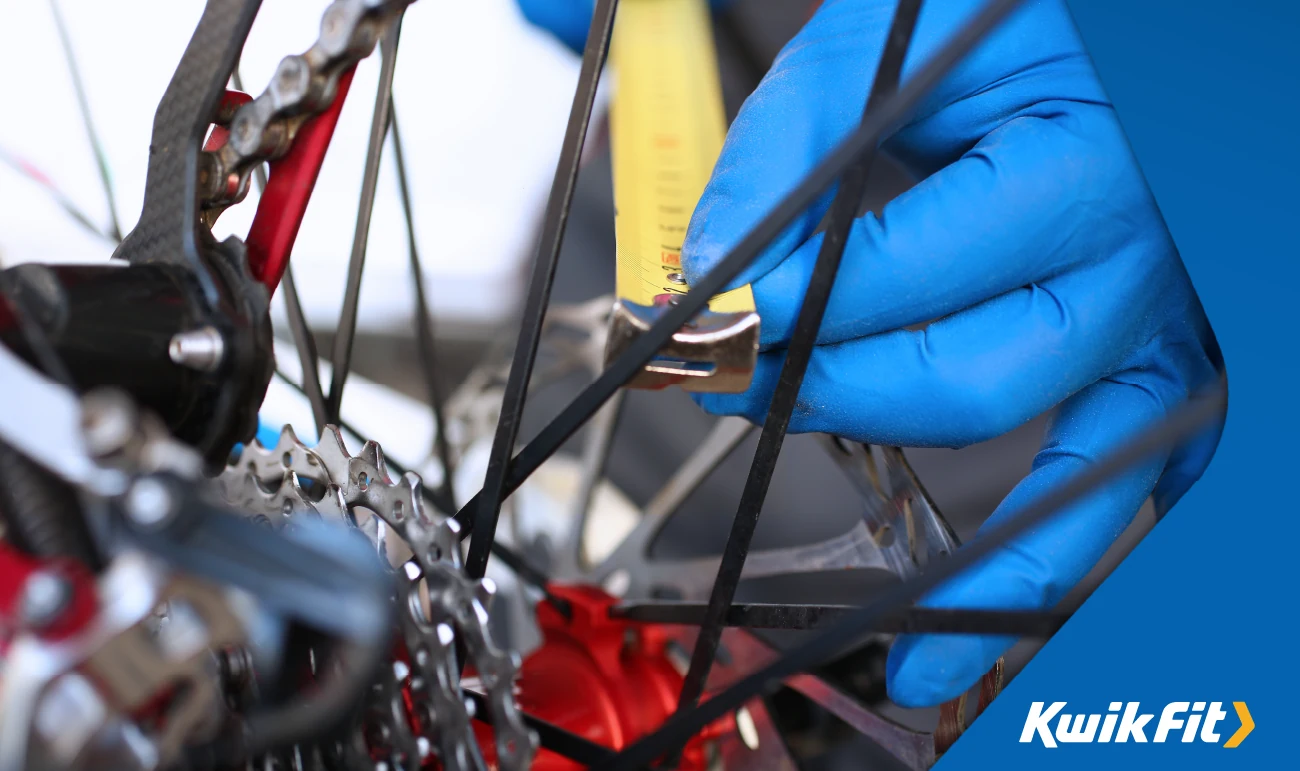
- Place your bike upright and use a retractable metal tape measure for accuracy.
- Measure the wheel’s diameter across the centre from one side to the other.
- Record the rim width, measuring the distance between the inner edges of the rim sidewalls.
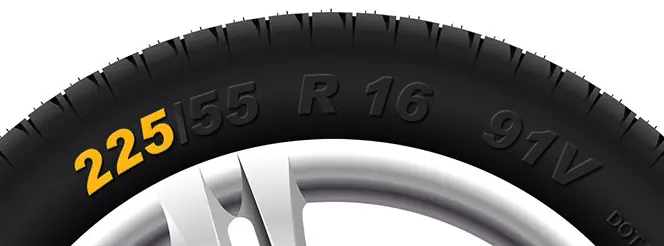
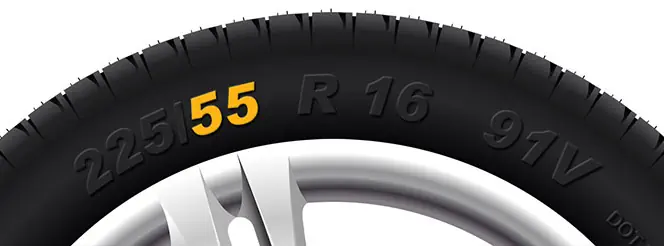
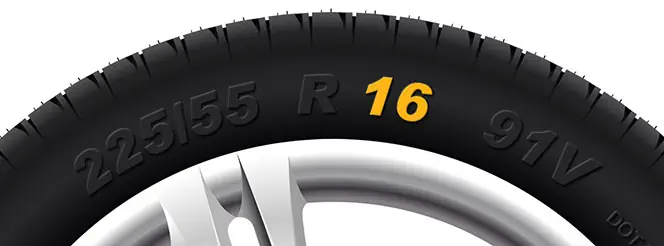
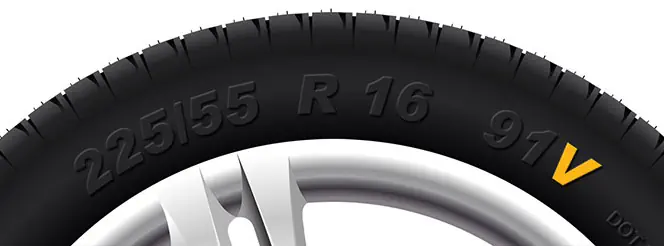
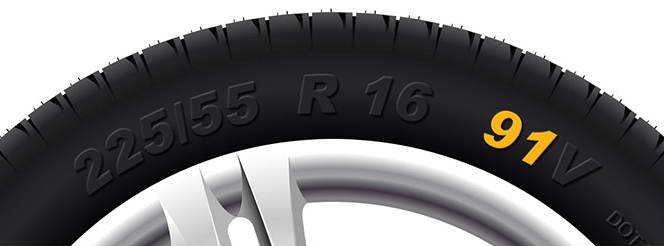
- Check the tyre size printed on the tyre, including both its diameter and width.
- Ensure all measurements are taken carefully to guarantee compatibility with your frame and components.
- Keep these measurements handy when selecting replacement tyres, tubes, or custom wheelsets.
- For extra accuracy and universal compatibility, you can also use the ISO method.
From ensuring proper fit to optimising performance, understanding how to measure your bike wheels is crucial for a comfortable cycling experience.
Here, we'll explain how to measure your bike wheels, the most common wheel sizes and which bikes they’re suited to, and step-by-step techniques to find the perfect wheels for your bike.
Why do you need to measure your bicycle wheels?
Measuring your bike’s wheels is essential for finding the right replacement tyres and ensuring a comfortable, efficient, and safe riding experience. Putting it simply, if you purchase the wrong-sized wheels for your bike, you won’t get very far - and you won’t get there comfortably, either.
- Properly sized wheels enhance comfort by reducing strain and fatigue.
- Wheels of the correct size also ensure compatibility with the frame and other components, preventing issues like rubbing or misalignment.
- Correct wheel size directly influences the bike's handling, speed, and stability, optimising overall performance.
The different types of bikes & their wheel sizes
Bike wheels come in various types and sizes, each designed for specific riding styles and terrains.
Road, gravel, and hybrid bike wheels
Road bike wheels are designed for speed and performance on paved roads, and are made using lightweight construction and aerodynamic designs to optimise efficiency and speed.
- These wheels are often constructed from materials such as aluminium or carbon fibre to help minimise rotational weight, facilitating easier acceleration and climbing.
- Many road bike wheels are compatible with tubeless tyres, offering improved puncture resistance and traction.
| 700c (622 mm ISO) | The standard for road bikes and hybrid bikes. | Identical rim diameter to a 29" mountain bike wheel, but typically paired with narrower tyres. |
| 650b (584 mm ISO) | Increasingly popular for gravel biking. | Good traction and comfort on a rough surface. |
| 650c (571 mm ISO) | Usually used on smaller road bikes or triathlon bikes. | A more uncommon size. |
Mountain bike wheels
Mountain bike wheels are built to handle rugged off-road terrain, due to their wider rims and increased stability on trails, hills, and other rough surfaces.
Many mountain bike wheels are compatible with tubeless tyre setups, offering benefits such as reduced rolling resistance, improved traction, and better puncture resistance. Tubeless systems allow riders to run lower tyre pressures without the risk of pinch flats.
| 29" (622 mm ISO) | Best for cross-country and trail bikes. | Has strong rollover capabilities for obstacles. |
| 27.5" (584 mm ISO) | Good for mountain bike and enduro riding. | Balances rollover capability with agile handling. |
| 26" (559 mm ISO) | The original mountain bike wheel size | Good for quick acceleration and nimble feel, but rare on newer models. |
Common bike wheel sizes
If you’re unsure which type of bike you have, here’s a more detailed summary of the most common adult bike wheel sizes:
26-inch wheels
Historically the standard size for mountain bikes, 26-inch wheels offer agility and responsiveness, making them well-suited for technical trails. However, now, cyclists are more likely to go for larger wheels.
27.5-inch wheels
Offering a balance of agility and rollover capability, 27.5-inch wheels are suitable for a wide range of trail types and riding styles. They provide better traction and stability while maintaining some of the manoeuvrability.
29-inch wheels
These are commonly found on cross-country and trail bikes where efficiency and speed are prioritised, whilst offering superior rollover capability and stability. This makes them ideal for covering ground quickly and efficiently.
700c wheels
These wheels are ideal for road, touring, and hybrid bikes, on account of their versatility and ability to hold momentum and provide speed on smooth surfaces.
650b wheels
Ideal for smaller road and gravel bikes, these offer heightened comfort and cushioning when paired with wider tyres on mixed terrain.
How do I know what size my bike wheel is?
There are two main ways of measuring the size of your bike wheel, including the standard method and the ISO method:
1. The standard method to measure bike wheels
This method is considered the easiest and fastest way to find your bicycle's wheel size, and involves measuring the wheel whilst the bike is upright, using a tape measure. It is important to check a range of measurements for this method, including:
- The wheel’s diameter: This is the distance across the centre of the wheel from one side to the other. This measurement is crucial for ensuring compatibility with the frame and other components.
- Rim width: Measure the width of the rim, which is the distance between the inner edges of the rim sidewalls. Rim width affects tyre fit and stability, particularly for wider tyres.
- Tyre size: Determine the size of the tyre mounted on the wheel, including both diameter and width measurements. This information is essential for selecting compatible replacement tyres and tubes.
2. The ISO method to measure bike wheels
The ISO system (also called ETRTO, under ISO 5775) is the standard way of defining wheel and tyre sizes in millimetres. Unlike the traditional inch-based system, ISO uses millimetres for precision and universal compatibility across brands.
The measurements needed for the ISO method are:
- Bead Seat Diameter (BSD): The internal rim diameter where the tyre bead sits. This is the key measurement for tyre compatibility.
- Rim width: The distance between the inner rim sidewalls, which affects tyre fit and stability.
- Tyre width: The inflated width of the tyre when mounted, influencing comfort, grip, and rolling resistance.
Wheel and tyre sizes are shown as “Tyre width – BSD” (e.g., 37-622). This format removes confusion from older labels like 700C or 29-inch, making it easier to match tyres and rims across brands.
Expert bike help & repair at Kwik Fit
Need a hand measuring your bike wheels? Got a problem with your bike brakes? Kwik Fit offers bike repairs, expert tips, and servicing at select locations in partnership with Fettle, the experts in faff-free bike repair.
Get your beloved bike or e-bike serviced, repaired, assessed, or assembled at your local Kwik Fit centre. Contact our friendly team today and keep up to date with our latest blogs for more tips.