
What to Check Before You Buy A Used EV
Jessica Bird | Wednesday 22nd April 2026 10:58am
When you’re in the market for a car, buying a used EV is increasingly looking like a smart move. You get lower running costs, quieter driving, and a car that often feels more modern than its petrol or diesel equivalent. But before you sign anything, it’s worth slowing down and checking a few key details.
While electric cars usually have fewer moving parts to worry about, they’re not maintenance-free. And when you’re buying second-hand, a quick look around the bodywork just isn’t enough. You’ll want to know how the battery’s performing, whether it’s been serviced properly, and if the brakes, tyres, and charging system are all in good shape.
Why a used EV needs a different kind of inspection
Much like any used car, a used EV still needs all the second-hand car checks, such as mileage, condition, and service history. But there are a few extra areas that also matter with an electric vehicle.
The biggest one is battery health. In a petrol or diesel car, you might worry most about the engine. In an EV, the battery is your big-ticket item. On top of that, you’ll also want to think about charging performance, software updates, and parts like brakes and tyres, which can wear differently on electric cars due to their increased weight.
That doesn’t mean buying a used EV is more risky than buying any other used car. It just means the checklist is a bit different – here’s what you should be looking out for.
Start with battery health
If there’s one thing to pay closest attention to, it’s the battery.
Much like a combustion engine, a battery won’t usually fail overnight, but it can lose performance over time. That’s why it’s a good idea to ask about the battery’s state of health, if that information is available. Some sellers or dealerships may be able to provide a battery health report, which can give you a clearer picture of how the battery is holding up. On some newer models of EV, the car itself can give you an indication of battery health.
It’s also worth comparing the car’s current real-world range to its original claimed range. Some drop-off is normal, especially as the car gets older, but if the range seems noticeably poor for its age and mileage, that could be a red flag (meaning that the battery is likely to need to be replaced soon).
You should also ask whether the battery is still under warranty. Many EVs come with a separate battery warranty that lasts longer than the standard vehicle warranty, and that extra cover can give you real peace of mind.
Test the charging system and cables
In addition to the condition of the battery, it’s well worth making sure that everything related to the charging system is in good condition too.
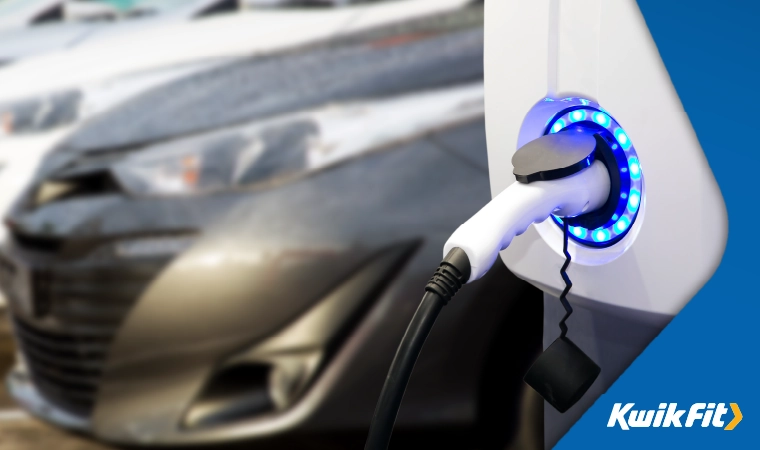
Check the charging port for any visible damage, dirt, or signs of wear. Ask whether the seller has had any issues charging the vehicle, either at home or at public charge points. If possible, seeing the car plugged in and actually charging can be a really useful extra check.
It’s also sensible to confirm which charging cables are included in the sale. Some used EVs come with both a home charging cable and a public charging cable, while others may only come with one. These cables, because they’re usually specific to the car model you’re buying, tend to be a bit pricey – so getting them included in the sale is helpful.
If the car supports rapid charging, ask whether that function is working as it should. Charging speed matters, especially if you plan to use public chargers regularly.
Check the service history carefully
While EVs don’t need oil changes, they do still need regular servicing on parts like brakes, suspension, and tyres.
A good service history shows the car has been looked after properly and maintained in line with the manufacturer’s schedule. That could include inspections of the battery system, brake components, suspension, tyres, cabin filters, and (on some models) coolant systems linked to battery temperature management.
It’s also worth checking whether the car has had any manufacturer software updates. These updates can affect everything from charging performance to efficiency and dashboard systems, so they’re a really important part of modern EV maintenance.
The more complete and consistent the service record, the better.
Don’t overlook the brakes
Brakes are one area that often catches used EV buyers out.
Because electric cars use regenerative braking, the traditional brakes may not get used as heavily as they do in a petrol or diesel car. On the surface, that sounds like good news. Less wear on the pads, right? Well, sometimes, yes. But there’s another side to it.
If brakes aren’t used enough, corrosion can build up on the discs, especially if the car’s done lots of short trips or been left standing for long periods. So even if the brake pads still have life in them, the overall braking system might not be in the condition you’d expect.
When you inspect the car, look out for any signs of rough, scored, or corroded brake discs. During a test drive, pay attention to how the brakes feel too. They should still feel smooth, stable, and responsive.
Inspect tyres, suspension, and general wear
Used EVs are often heavier than equivalent petrol or diesel models, mainly because of the battery pack. That extra weight can have quite an effect on tyres, suspension, and alignment.
Start with the tyres. Check the tread depth, look for uneven wear, and make sure all four tyres are in decent condition. Uneven wear could point to alignment or suspension issues, while badly worn tyres may suggest the car hasn’t been maintained carefully.
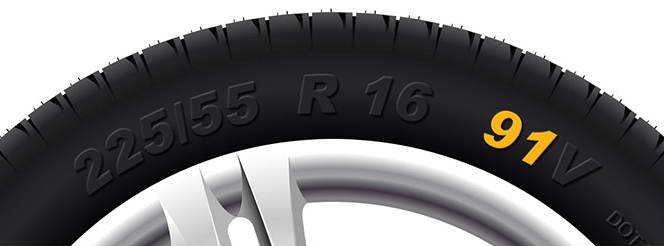
It’s also worth checking whether the tyres are the right specification for the vehicle. Many EVs are fitted with tyres specifically designed to cope with higher vehicle weight and help reduce road noise.
Once you’ve checked the tyres, have a general look at the suspension and how the car sits. If it feels unsettled on the road, pulls to one side, or shows obvious signs of wear around wheels and wheel arches, that’s something to investigate further.
Look for warning lights, software issues, and dashboard alerts
Modern EVs rely heavily on electronics and software, so the car’s dashboard (as well as a smartphone app, if that car has one) can tell you a lot.
Before buying, switch the car on and check for any warning lights or error messages. Battery alerts, charging faults, brake warnings, or general system faults should never be ignored.
Take a few minutes to test the infotainment system, reversing camera, climate controls, and any driver assistance features, too. These aren’t always deal-breakers, but faults can be frustrating and expensive to sort later on.
A used EV should feel smooth, quiet, and reassuring to drive. If it feels glitchy, throws up repeated alerts or seems reluctant to respond properly, trust your instincts.
Questions to ask before you commit
When you’re buying any used car, don’t be afraid to ask direct questions. A good, trustworthy seller should be happy to answer them.
We’ve already outlined what to look for, but here are concise ways to get the information you need that may not be evident from visual and physical inspections:
- Has the car been serviced on schedule?
- Is there any record of battery health or battery warranty remaining?
- Has it had software updates carried out by the manufacturer?
- Are there any known charging issues?
- Have the brakes, tyres, or suspension had any recent work?
- Are all charging cables included?
Book a professional inspection for peace of mind
Even if everything looks fine on the surface, it’s often worth getting a professional inspection before you buy, as some faults, maintenance issues, or areas of problematic wear aren’t obvious to an untrained eye. So, that bit of expert reassurance can go a long way when you’re making a big purchase.
Once you’ve got your EV, regular EV servicing and MOTs at your local Kwik Fit centre is the best way to make sure your new car stays feeling great on the road for longer.


Any facts, figures and prices shown in our blog articles are correct at time of publication.
Featured Articles
Is it Illegal to Drive With One Headlight?
Saturday 19th July 2025
Wondering if it’s illegal to drive with one headlight? Learn about the safety risks and penalties of illegal blown bulbs and why you should fix them promptly.
Air Con in EVs & Hybrids: Experts Answer Your Questions
Monday 30th June 2025
Does air con drain EV batteries? Can you use the air con while charging an electric car? Find out the answers to these questions & more from Kwik Fit’s experts.
Why Is Your Car Making a Noise? Fixes & Tips
Friday 13th June 2025

When your car starts making unexpected noises, it can certainly be quite disconcerting; it may be nothing to worry about, but here’s what you need to know.