
How To Save On Petrol & Improve Your Car’s Fuel Economy
Jessica Bird | Sunday 22nd March 2026 9:11am
While the price of fuel goes up and down, one thing remains constant: most drivers want to make every litre stretch as far as possible. Fuel is often one of the highest weekly costs for motorists. So, improving your car’s fuel economy can make a real difference to your budget.
The good news is that boosting fuel efficiency doesn’t always require major changes. Simple driving habits, regular vehicle maintenance, and a few small adjustments and services can help your car run more efficiently and use less petrol.
Read on to learn how you can spend less at the pump.
How to save on fuel: A quick checklist
- Drive at moderate speeds. Around 45–50 mph is typically most fuel efficient (speed limit permitting).
- Avoid harsh braking and sudden acceleration to reduce wasted fuel.
- Use your car’s momentum by easing off the accelerator earlier.
- Shift into higher gears sooner to keep engine revs lower.
- Remove unnecessary weight from your car to reduce fuel use.
- Limit air conditioning use to avoid extra strain on the engine.
- Check your tyre pressure regularly to reduce rolling resistance.
- Turn off your engine when stationary to prevent unnecessary idling
- Service your car regularly to keep the engine running efficiently.
- Avoid multiple short journeys where possible.
- Keep your wheels properly aligned and balanced to reduce tyre drag
- Choose fuel-efficient tyres, using the EU tyre label as a guide.
- Consider using a fuel system cleaner occasionally to maintain engine performance.
Are fuel prices going up?
At the time of writing, fuel prices in the UK are increasing due to the escalating conflict in the Middle East. On March 3rd 2026, the BBC reported that the UK gas price surged to its highest level for three years, while the RAC’s Fuel Watch has tracked a steady increase in petrol and diesel prices since the end of February.
Why are fuel prices so high?
Fuel prices constantly fluctuate, mostly due to the changing price of crude oil. Crude oil itself varies in value due to several interconnected factors, as it is traded at a global level.
Factors like economic growth, conflict and instability, geopolitical affairs, market speculations, and natural disasters all combine to cause shifts in the value of crude oil and fuel.
As an example, the Strait of Hormuz is a shipping channel through which 20% of the world’s oil supply passes. As a result of the conflict in the Middle East, tanker traffic through the Strait has been significantly reduced, limiting the supply of oil to the rest of the world - and having a knock-on effect on fuel prices.
How to save fuel in the face of high fuel prices
If fuel prices are on the incline, follow these simple tips to help use less when driving.
1. Reduce your speed
Reducing your speed is one of the most important factors in saving fuel, as your engine uses far less at lower speeds (and there’s less drag too).
For most cars, the most fuel-efficient driving speed is between 45–50 mph (speed limit permitting, of course). The faster you drive, the more fuel you use. According to the Energy Agency, driving at 50mph rather than 70mph can bring down your fuel consumption by around 10%.
2. Avoid sharp braking & sudden acceleration
If you can avoid sharp braking and harsh acceleration, you can save a small fortune on fuel costs. If you notice other cars braking ahead of you early enough, take your foot off the accelerator and slow down gradually rather than slamming on the brakes closer to the obstruction.
Make sure to always maintain a safe following distance and give yourself plenty of clearance from the car in front. Look to the road ahead of you, as well as what’s immediately in front, checking for traffic lights, slowed or stopped traffic, and changes to the speed limit.
3. Hack: make the most of momentum
Momentum is a fuel-saver’s best friend. With a few small changes to your driving habits, you can start making use of the natural momentum your car builds up as you drive.
- Save fuel by accelerating a little before reaching a hill, using the extra momentum to get you over the top without having to rev the engine hard.
- Ease off the accelerator when approaching traffic lights, rather than continuing to accelerate and braking when you get to the lights.
4. Get into a high gear quickly to reduce revs
Get into a higher gear as soon as you can - speed and speed limit permitting. If you rev the engine too much before moving into a higher gear (some drivers wait to hear the ‘cue’ of the engine labouring before changing gears), this is bad news for fuel consumption.
5. Remove excess weight from your car
Weight is a major factor in how much petrol your car uses. The heavier the vehicle, the more fuel will be needed to keep it moving.
Remove any unnecessary items from inside your car (keeping car maintenance essentials). On average, an extra 50kg of weight in the car will increase fuel consumption by 1-2%.
The same goes for roof racks, bars and boxes. Instead of weight, these cause wind resistance or ‘drag’. This slows you down more than you’d think, causing the engine to use more fuel. It’s been reported that, at 75mph, a roof rack adds 16% drag, and a roof box 39% drag.
6. Turn off the AC to prevent wasted energy
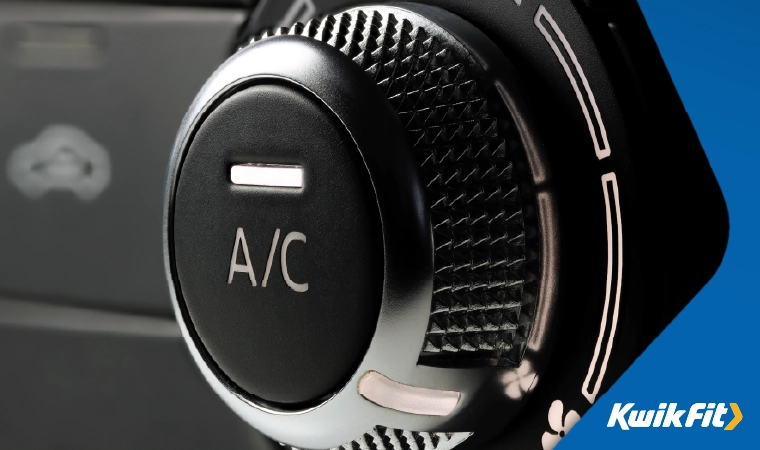
Air conditioning and other temperature controls can increase fuel consumption. If you want to improve fuel efficiency, limit your use of air con and only switch it on when necessary.
It’s also important to keep your air-con system well-maintained. The refrigerant should typically be regassed every two years. When refrigerant levels are low, the system has to work harder to cool the cabin, which can place extra strain on the engine and use more fuel. If it’s been a while since your air conditioning was checked, you can book a free air-con check to make sure it’s working efficiently.
7. Keep your tyres well maintained
Both over-inflated and under-inflated tyres can damage your fuel economy.
If your tyres are even slightly distorted due to incorrect tyre pressure, you’ll be using more fuel to keep your car running smoothly. This is because of the added friction that comes from a misshapen tyre.
So, it’s important to inflate them to the correct air pressure. This will depend on your car and the load you’re carrying, but you should be able to find all of this information in your vehicle handbook. And remember to choose the right tyres for the conditions.
8. Turn your engine off when stopped to reduce idling
If you’re parked and waiting for someone, or stuck in traffic that isn’t moving, switch off your engine. An idling engine uses fuel, as well as contributing to local air pollution, so it’s good practice to switch it off if you’re stationary for 30 seconds or more.
9. Service your engine regularly for maximum efficiency
Regular servicing keeps your car in good condition, extends its working life and optimises fuel efficiency. Maintain your engine properly, and double-check your vehicle handbook that you’re using the right engine oil.
10. Cut back on short journeys if you can
Shorter journeys are not great for fuel efficiency, so if you can walk or take the bus rather than drive, you’ll save on fuel. If you do have a few trips to make, consider planning a round trip rather than doing each at separate times.
11. Reduce drag from tyres with wheel alignment
Correct wheel alignment helps your tyres wear evenly and improves overall vehicle performance. When wheels are misaligned, tyres can create more resistance against the road, which may reduce fuel efficiency.
Regular wheel alignment checks can help extend tyre life and ensure your car drives smoothly. Tyre balancing is also important, as it prevents uneven weight distribution that can cause vibrations and inconsistent wear.
12. Choose the right tyres
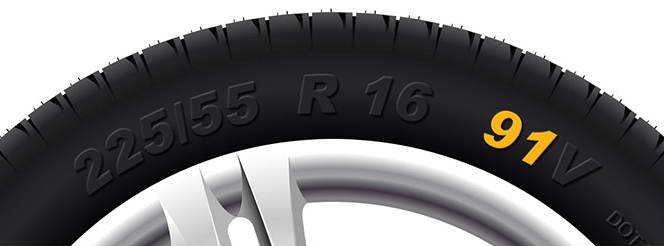
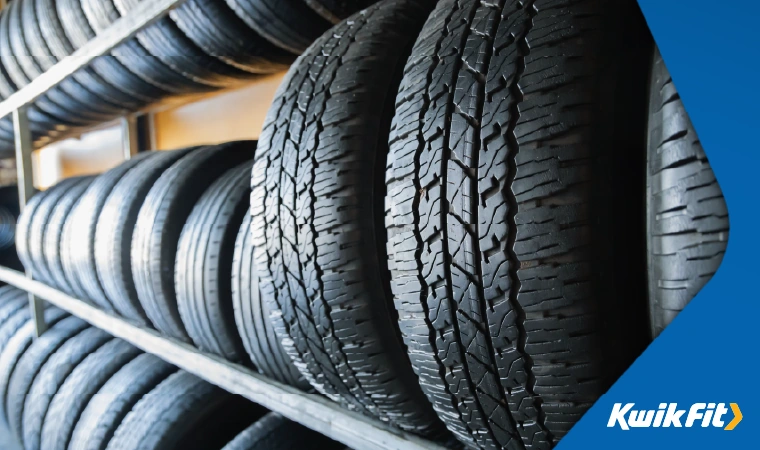
Tyres account for up to 20% of your car’s fuel consumption, so it’s important to choose the right ones. All new tyres purchased in the UK come with an EU Tyre Label, which is there to help you make an informed choice. Tyres are rated in three categories: Fuel Efficiency, Wet Grip and Noise.
Fuel efficiency is rated on a scale from A to F, with an A-rating being the best result possible. These tyres require less energy to roll, and therefore burn less fuel. So, if you want new tyres with good fuel economy, look to the EU Tyre Label for guidance.
13. Refresh with a fuel system cleaner
Fuel system cleaners are an inexpensive way to help restore engine performance and improve fuel efficiency. These additives are poured directly into the petrol tank, and work by breaking down deposits that can build up in the fuel system over time.
By cleaning components such as fuel injectors, intake valves, and combustion chambers, fuel system cleaners help improve fuel flow and engine performance, which can support better MPG.
Improve fuel efficiency with Kwik Fit
While fuel prices can fluctuate, keeping your car well-maintained is one of the most reliable ways to improve fuel efficiency and reduce running costs.
At Kwik Fit, our expert technicians can help keep your vehicle performing at its best, with services such as tyre checks, wheel alignment, and air conditioning servicing.
To learn more, explore our range of vehicle services, read more expert driving advice on the Kwik Fit blog, or visit your local Kwik Fit centre for professional support.


Any facts, figures and prices shown in our blog articles are correct at time of publication.
Featured Articles
Is it Illegal to Drive With One Headlight?
Saturday 19th July 2025

Wondering if it’s illegal to drive with one headlight? Learn about the safety risks and penalties of illegal blown bulbs and why you should fix them promptly.
Air Con in EVs & Hybrids: Experts Answer Your Questions
Monday 30th June 2025
Does air con drain EV batteries? Can you use the air con while charging an electric car? Find out the answers to these questions & more from Kwik Fit’s experts.
Why Is Your Car Making a Noise? Fixes & Tips
Friday 13th June 2025

When your car starts making unexpected noises, it can certainly be quite disconcerting; it may be nothing to worry about, but here’s what you need to know.