
What Do You Need To Drive Abroad?
Jessica Bird | Wednesday 20th May 2026 10:00am
Getting ready for a holiday abroad can feel like a bit of a juggling act. There’s travel insurance to sort, bags to pack, passports to remember – and if you’re taking your car, there’s even more to think about.
It’s tempting to focus on the big things (such as checking tyre pressure and coolant levels) and forget the smaller details, but when you’re driving abroad, those details really matter.
Depending on where you’re going, there may be certain items you’re expected to carry in your car by law. If you forget something important, you could end up with an unexpected fine or, at the very least, an unwanted conversation with the local authorities.
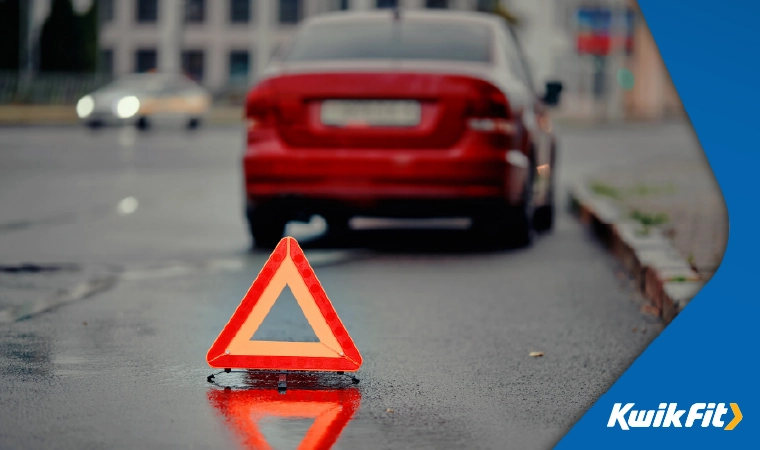
Importantly, it’s not just about ticking boxes. Some of the items you may need, like warning triangles, are there to help keep you and other road users safe if something goes wrong.
So, before you set off, it’s worth making sure both you and your car are properly prepared.
Why are travel kits important?
A short answer to this is simply that it’s the law to carry a travel kit in your vehicle in different countries - and those laws aren’t randomly chosen. They exist for good reason, as a travel kit can make a world of difference if you break down or have an accident while you’re away.
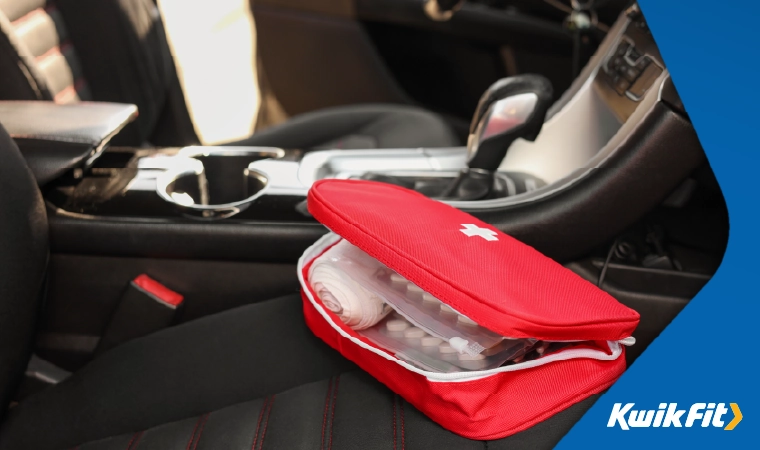
This applies whether a specific item is legally mandated or not. Items like warning triangles can help alert other drivers to your presence, while things like first aid kits and hi-vis jackets are always useful in an emergency.
What should your travel kit include?
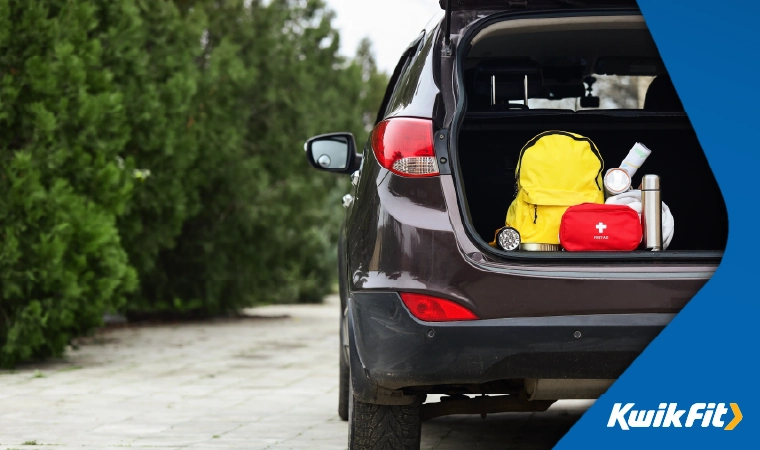
There isn’t one single European travel kit that covers every scenario, because each country has slightly different requirements. That said, there are a few common items that often come up:
- warning triangle
- hi-vis jacket
- headlamp beam converters, or headlamp adjustment for your vehicle
- UK sticker, depending on your number plate and destination
- other country-specific items, such as a fire extinguisher in Belgium or a first aid kit in Austria.
You can buy European driving kits online or from motoring retailers, but don’t assume a standard pack will automatically include everything you need. It’s always worth double-checking the rules for the countries on your route.
A few easy-to-miss rules
Some of the rules around driving abroad have changed over time, especially since the UK left the EU, which is why it’s worth checking official advice before you travel.
UK stickers
Whether you need a UK sticker depends on your number plate and where you’re driving.
If your number plate is a newer one that already shows the UK identifier with the Union flag, you usually won’t need a separate UK sticker. But if your plate shows GB, an EU flag, a national flag of England, Scotland, or Wales, or no identifier at all, you’ll need a UK sticker instead.
There are also a few exceptions. In Spain, Cyprus, and Malta, a UK sticker is required regardless of what’s on your number plate. In Ireland, you don’t need a UK sticker or UK identifier at all.
Headlamp converters
Most mainland European countries drive on the right, so if you’re taking a UK car abroad, you’ll need to make sure your headlights won’t dazzle oncoming traffic. This is because some UK models have asymmetric headlight beams, which dip to the left. In some cars, meeting requirements in Europe means fitting beam deflectors, while others may let you adjust the headlights through the vehicle settings or at the dealership.
France and breathalysers
This is one of those rules that often catches people out, because the advice used to be different. Drivers in France are actually no longer required to carry a breathalyser in the car. That said, France’s drink-drive limit is lower than the UK’s, so it’s still wise to be cautious and avoid drinking anything if you’re going to be driving.
Spain and roadside warning equipment
Spain’s roadside warning rules changed in 2026. Spanish-registered vehicles now use the connected V-16 emergency beacon, but Spain’s traffic authority has confirmed that foreign-registered vehicles travelling in Spain can still comply using warning triangles under international circulation rules. UK drivers should check the latest position before they travel, especially if they’re hiring, borrowing, or using a locally registered vehicle.
Examples of country-specific equipment rules
Rules can change, and they can vary depending on the vehicle and journey, but here are some examples of items that may be required in popular European destinations:
| Country | Examples of equipment you may need |
|---|---|
| Austria | Hi Vis Jacket, First Aid Kit, Warning Triangle |
| Belgium | Hi Vis Jacket, Warning Triangle, Fire Extinguisher |
| Croatia | Warning Triangle, Hi Vis Jacket, First Aid Kit |
| France | Hi Vis Jacket, Warning Triangle, Headlamp Beam Converters |
| Germany | Warning Triangle, Hi Vis Jacket, First Aid Kit |
| Italy | Hi Vis Jacket, Warning Triangle |
| Portugal | Hi Vis Jacket, Warning Triangle |
| Spain | UK Sticker, Hi Vis Jacket, Warning equipment |
| Switzerland | Warning Triangle kept within easy reach in the vehicle |
A key note here is that things like headlight adaptors and UK stickers may or may not be required depending on whether your car is able to change its headlight beams by design, or whether your number plate has the identifier. Because requirements can change, it’s best to treat this table as a starting point, and then check the latest official guidance for every country you’ll be driving in.
Don’t forget your documents
It’s not just equipment you need to think about. Before heading abroad, make sure you’ve got the right documents with you too. Depending on where you’re going, that could include:
- your full, valid driving licence
- your V5C log book
- proof of insurance
- passport
- travel insurance
- breakdown cover details.
Some drivers may also need extra documents depending on the country they’re visiting, and the type of licence they hold, so, again, it’s worth checking before you leave.
A quick check before you go
Before setting off, it’s a good idea to give your car a quick once-over as well. Long drives, higher speeds, and heavy holiday luggage can all put extra strain on your vehicle, so checking things like your tyres, coolant, oil, and lights beforehand can help you avoid problems later on.
And while compulsory kit matters, it’s worth packing a few sensible extras too – things like a torch, phone charger, and bottled water.
Need a service before your trip?
If you’ve got a long drive ahead, it’s always worth making sure your car is ready for it.
At Kwik Fit, our experts can help check that your vehicle is in good shape before you travel, so you can set off with more confidence and a lot less stress. Find your local Kwik Fit centre here.


Any facts, figures and prices shown in our blog articles are correct at time of publication.
Featured Articles
Is it Illegal to Drive With One Headlight?
Saturday 19th July 2025
Wondering if it’s illegal to drive with one headlight? Learn about the safety risks and penalties of illegal blown bulbs and why you should fix them promptly.
Air Con in EVs & Hybrids: Experts Answer Your Questions
Monday 30th June 2025
Does air con drain EV batteries? Can you use the air con while charging an electric car? Find out the answers to these questions & more from Kwik Fit’s experts.
Why Is Your Car Making a Noise? Fixes & Tips
Friday 13th June 2025

When your car starts making unexpected noises, it can certainly be quite disconcerting; it may be nothing to worry about, but here’s what you need to know.