
Top Safety Tips For Driving With Hay Fever
Jessica Bird | Sunday 5th April 2026 8:54am
While most of us look forward to the warmer weather and lighter evenings, this time of the year can be uncomfortable for those who suffer from hay fever.
From sneezing fits to itchy eyes and runny noses, there’s a whole range of annoying symptoms that can make the sunny season unbearable for some, especially when it comes to driving.
But it’s not just uncomfortable - symptoms like this can seriously impair your ability to drive safely. So, if you suffer from hay fever, keep reading for some tips to stay safe.
Should you drive if you have hay fever?
Around 13 million people suffer from hay fever in the UK during the summer months. If you have hay fever, you can definitely still drive, but it may be more difficult if your symptoms are bad.
How does hay fever affect driving?
Hay fever can impact your ability to drive by:
- Making it harder to control the car at times (like when sneezing or blowing your nose).
- Impairing your visibility due to watering, itchy eyes.
- Reducing your focus on the road as a result of general discomfort.
Having an awareness of these factors and taking steps to reduce the impact on your driving is key. However, if you find that your hay fever symptoms are particularly bad one day, try to avoid driving if you can. There’s no point putting yourself and other road users at risk if you’re not feeling your best. Instead, you could use public transport, or ask someone else to drive.
How to drive safely with hay fever
If you suffer from hay fever in the summer months, you can make driving easier by: keeping your windows closed, wearing sunglasses, installing a pollen filter, stocking up on tissues, taking non-drowsy medication, and maintaining sensible speeds when symptoms worsen to keep control of the car.
Let’s cover these tips in more detail.
1. Keep your windows closed to shut out pollen
Keeping your car windows closed can help prevent pollen particles from entering your car and setting off your allergies while you’re in the driving seat. Even if it’s hot outside, it’s a good idea to make sure the windows are up to prevent you from sneezing, and therefore being distracted.
- Crank up the air conditioning to make sure you and any passengers you’re travelling with stay cool.
If your air con isn’t working properly, get in touch with your local Kwik Fit for speedy repairs - and, in the meantime, read these tips for keeping cool without air con.
2. Make sure you have a box of tissues within easy reach
So that you’re not distracted while you’re driving, make sure you keep a box of tissues within easy reach (you can even get some that clip onto your sun visor).
You never know when you might feel the urge to sneeze, so to avoid the panic of rooting around for a tissue in your pocket, bag or glove compartment, you might find it easier to keep some at hand. This also means that you’ll be able to concentrate on the road in front of you.
You may also want to invest in some anti-pollen face wipes to keep in the glove compartment. Giving your eyes and nose a gentle wipe with these before you start your journey can help to refresh your eyes, and remove any pollen that’s settled on your skin.

3. Wear sunglasses to protect your eyes
Wearing shades can stop pollen particles from getting into your eyes and causing irritation, so it’s worth slipping them on before you hit the road. This will also help prevent glare.
When it comes to choosing a pair of sunglasses, it’s important that you make sure they don’t impact your vision in any way, such as being too dark.
4. Take a non-drowsy medication
The good news is that if your hay fever is especially bad, there are treatments available that can help relieve your symptoms. However, some allergy medications, such as antihistamines, can cause side effects - such as sleepiness, reduced coordination, impaired judgement, and slow reaction speeds.
Can I drive after taking hayfever tablets?
You can technically drive after taking hayfever tablets, but it’s best to take the non-drowsy ones to be safe. Driving while feeling drowsy is not worth the risk, so if you plan on using a medicine to treat your allergies and then getting behind the wheel, it’s crucial that you use a non-drowsy version.
It’s also worth noting that in England and Wales, it is a criminal offence to drive a vehicle while unfit due to legally prescribed or over-the-counter medicines. If you’re unsure whether you are able to drive or not, you should seek advice from a medical professional, such as your GP or pharmacist.
5. Keep your car clean and pollen-free
Dust and pollen particles can easily get caught inside your vehicle, which, in turn, can wreak havoc with your allergies. So, to keep your sniffles to a minimum while you’re behind the wheel, it pays to make sure that you’re making an effort to keep your car clean.
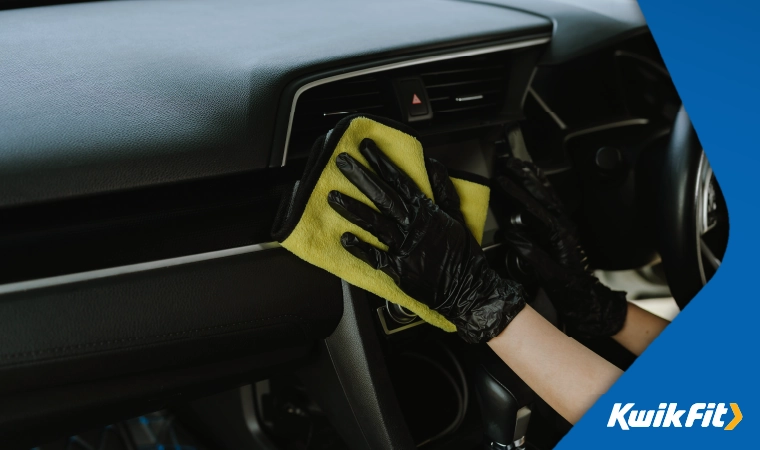
For example, you could make a habit of getting the vacuum out regularly to give the carpets and upholstery a once-over, especially during the summer months. It also helps to frequently wipe down your dashboard to get rid of any dust that may have settled.
6. Install pollen filters
You may want to think about fitting, or replacing, effective pollen filters in your car (also known as ‘air cabin filters’).
These work to remove pollen particles from the outside air before they pass through the air vents into the vehicle itself. As a result, this can help to keep your allergies under control, and provide you with a more comfortable ride.
Pollen filters can also help prevent other types of debris, as well as pollution and odours, from entering the car and clogging up your ventilation system. However, it’s also important to bear in mind that in order for them to work properly, pollen filters need to be changed regularly.
7. Slow down if your symptoms start to develop while driving
If you’re driving and you can feel your hay fever symptoms developing, don’t panic. If your eyes start watering, your nose begins to run, or you can feel a sneezing or coughing fit about to happen, simply slow down and leave plenty of space between you and the vehicle in front. If you feel particularly unwell, try and stop the car completely if it’s safe to do so, and move on when you feel better.
If driving with hay fever is beginning to cause you anxiety, we’ve got plenty of reassuring tips for nervous drivers to put your mind at ease.
8. Get into the habit of checking the pollen forecast
As a hay fever sufferer, you might want to get into the habit of checking the pollen forecast, particularly during the warmer months. You can find this information online on the Met Office website, which provides a prediction of how high the pollen count will be on any given day. In turn, you should be able to better manage your symptoms, especially if you’re heading out in the car on a long journey.
It’s also worth noting that the pollen count is usually at its highest early in the morning and late evening, so if you can, it might be an idea to refrain from driving at these times unless you have to.
Driving with hay fever FAQs
How does hay fever affect driving?
Hay fever can make driving harder by causing sneezing fits, itchy or watery eyes, a runny nose, and reduced concentration. All of these can distract you and affect your control of the vehicle.
Are antihistamines safe while driving?
Some are, and some aren’t. Certain antihistamines can cause drowsiness, slower reactions, and reduced coordination, so always check the label and avoid driving if the medicine makes you feel sleepy.
Are modern antihistamines safer for driving?
Many newer antihistamines are marketed as non-drowsy, which may make them a better option for drivers. Even so, they can affect people differently, so you should only drive if you feel fully alert, and it is clear on the label that the medicine is suitable.
How can you allergy-proof your car?
Keep the windows closed, use the air conditioning, clean the interior regularly, wipe down surfaces, vacuum seats and carpets, and replace your pollen or cabin filter when needed.
Do pollen filters help with hay fever in the car?
Yes. A pollen filter helps trap pollen and other particles before they enter the cabin through the vents, which tends to make journeys more comfortable for hay fever sufferers.
What should you do if hay fever symptoms start while driving?
Slow down, leave extra space between you and the car in front, and stay calm. If your symptoms become too distracting, pull over somewhere safe and wait until you feel well enough to continue.
What helps reduce hay fever symptoms before a journey?
Checking the pollen forecast, taking suitable non-drowsy treatment, wearing sunglasses, carrying tissues, and cleaning your car can all help make driving with hay fever easier.
Stay safe in summer with Kwik Fit
If it feels as though your body is working against you this pollen season, make sure your car is on your side at least. For peace of mind, book in for a free vehicle safety check, tyre check or brake check at your local Kwik Fit.
In the meantime, you can find more advice for staying safe on the roads this summer, from footwear choices to travelling to festivals, over on the Kwik Fit blog.


Any facts, figures and prices shown in our blog articles are correct at time of publication.
Featured Articles
Is it Illegal to Drive With One Headlight?
Saturday 19th July 2025
Wondering if it’s illegal to drive with one headlight? Learn about the safety risks and penalties of illegal blown bulbs and why you should fix them promptly.
Air Con in EVs & Hybrids: Experts Answer Your Questions
Monday 30th June 2025
Does air con drain EV batteries? Can you use the air con while charging an electric car? Find out the answers to these questions & more from Kwik Fit’s experts.
Why Is Your Car Making a Noise? Fixes & Tips
Friday 13th June 2025

When your car starts making unexpected noises, it can certainly be quite disconcerting; it may be nothing to worry about, but here’s what you need to know.