
The World’s First Fluid-Free Brakes Enter Production
Jessica Bird | Monday 18th May 2026 9:15am
One of the biggest changes to car braking systems in decades is now entering production.
Italian brake manufacturer, Brembo, has confirmed that its new brake-by-wire design, called Sensify, is moving into large-scale production, becoming one of the first fully fluid-free braking setups designed for mainstream cars.
Unlike conventional brakes, Sensify removes hydraulic brake fluid, brake lines, and the traditional master cylinder altogether. Instead, the braking force is controlled electronically using sensors, software, and actuators at each wheel.
The company says the technology will first appear on a new production model from a major global manufacturer, although the vehicle itself has not yet been revealed.
That might sound futuristic, but the idea behind it is actually pretty straightforward. This system is designed to make braking more precise, more responsive, and better suited to modern EVs and driver assistance systems.
So, why is this such a major shift in the automotive industry? Let’s take a closer look at the technology behind the trend.
How do fluid-free brakes actually work?
Traditional brakes rely on hydraulic fluid to transfer pressure from the pedal to the callipers, a setup that has been used in one form or another for more than a century now.
But fluid-free brakes rely on electronic sensors instead. When the pedal is pressed, sensors measure the input electronically before a control unit tells the actuators at each wheel how much braking force to apply. For drivers, this will still feel similar, as the brake pedal has been designed to deliver the same predictable feedback people are already used to.
Because the system no longer relies on hydraulic brake lines or brake fluid, several traditional braking components are now removed altogether.
How do electronic brakes improve performance?
Because they are more precise, fluid-free or ‘electronic brakes’ can adjust braking force at each wheel more accurately than hydraulic systems. Even on an ordinary road, your grip levels are rarely identical across all four tyres.
One wheel might hit some standing water first. Another could cross some loose gravel or hit a pothole. In winter, one side of the vehicle could have less grip because of snow or ice.
Traditional brakes react more broadly across the vehicle as a whole. Brake-by-wire can respond wheel-by-wheel within milliseconds, constantly adjusting braking pressure based on road conditions, steering input, and vehicle balance.
The result should feel subtle during everyday driving, but in poor weather or emergency braking situations, the vehicle may feel more stable and controlled.
Why are manufacturers interested in fluid-free brakes?
Fluid-free brakes have a number of benefits over traditional brakes. For one, they’re much lighter, and they also improve efficiency and work naturally alongside EV technology.
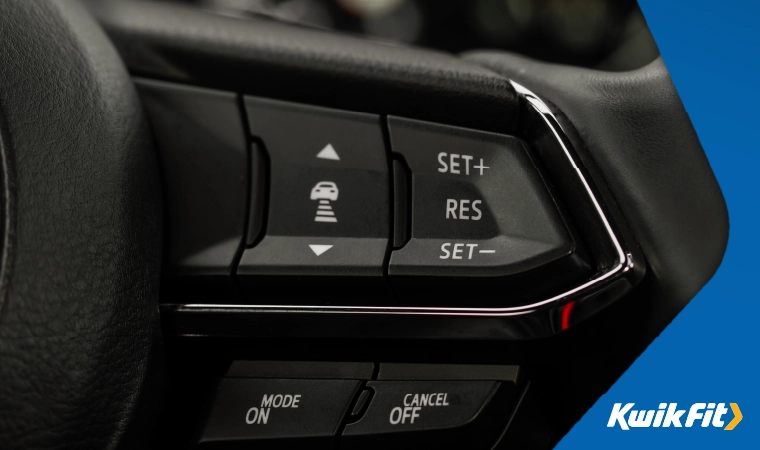
Features controlled by software already play a major role in modern vehicles. Electronic handbrakes, throttle-by-wire acceleration, parking sensors, lane assistance features, and adaptive cruise control are all now common in everyday cars. And braking is naturally following the same path.
For EVs, this is especially advantageous, as brake-by-wire offers several benefits:
- A reduction in weight and brake drag helps improve efficiency, which means it takes less energy from the battery to power the car.
- The software-controlled operation also integrates smoothly with the regenerative braking system already used in electric cars.
Manufacturers are also interested in how these designs interact with advanced assistance features and future autonomous driving functions. Removing brake fluid could also reduce maintenance waste and the risk of fluid leaks over a vehicle’s lifespan.
However, most drivers are unlikely to encounter a fully fluid-free braking system for some time. Much like with electronic handbrakes, the adoption of this technology will probably happen steadily over time.
Are brake-by-wire systems safe?
For many drivers, the biggest question is whether fully electronic brakes can be trusted.
Brake-by-wire designs do use backup controls to help maintain braking performance if a fault does develop. But many drivers do still feel more comfortable with a direct mechanical connection in place with the brakes. And manufacturers know that confidence matters if people are to take to this new technology.
While fluid-free braking is new to production cars, variations of brake-by-wire technology have already been used in Formula One and the aerospace industry for years, helping manufacturers build confidence in the technology.
Consumer confidence will likely build up through familiarity. Many people were initially sceptical about electronic handbrakes, yet they are now completely normal in modern vehicles.
Does brake-by-wire change vehicle maintenance?
Yes, fluid-free brakes could reduce some routine maintenance requirements, but regular brake inspections will still remain important.
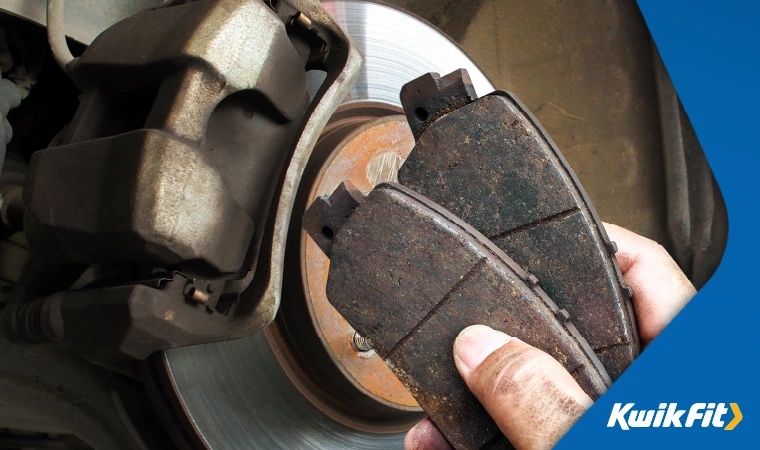
Vehicles using fully dry brake-by-wire technology would no longer need traditional brake fluid changes. However, brake pads, discs, tyres, suspension components, and wheel alignment will all still need regular checks and maintenance.
Even as braking systems evolve, the core principles of vehicle maintenance are unlikely to change dramatically.
Stay up to date with the latest motoring technology
While brake-by-wire technology is still in its infancy, it highlights how quickly modern car systems are evolving.
Whether your car uses traditional hydraulic brakes or newer electronically controlled systems, the fundamentals stay largely the same. Keeping brakes, tyres, and safety-critical components properly maintained will still play a huge role in vehicle safety and performance.
If you have concerns about your brakes, unusual stopping behaviour, or simply want peace of mind before your next long journey, you can book a free brake check at your local Kwik Fit centre or explore more motoring advice and maintenance guides in the Kwik Fit blog.


Any facts, figures and prices shown in our blog articles are correct at time of publication.
Featured Articles
Is it Illegal to Drive With One Headlight?
Saturday 19th July 2025
Wondering if it’s illegal to drive with one headlight? Learn about the safety risks and penalties of illegal blown bulbs and why you should fix them promptly.
Air Con in EVs & Hybrids: Experts Answer Your Questions
Monday 30th June 2025
Does air con drain EV batteries? Can you use the air con while charging an electric car? Find out the answers to these questions & more from Kwik Fit’s experts.
Why Is Your Car Making a Noise? Fixes & Tips
Friday 13th June 2025

When your car starts making unexpected noises, it can certainly be quite disconcerting; it may be nothing to worry about, but here’s what you need to know.