
UK Motoring Offences Hit 10-Year High: How To Stay Legal
Jessica Bird | Saturday 18th July 2026 11:22am
Driving offers freedom and convenience, and for many of us, it is part of our daily routine. However, even experienced motorists can find themselves on the wrong side of the law, often without meaning to.
The latest figures show how easily it happens. Ministry of Justice data for England and Wales puts motoring prosecutions at 812,000 in 2025, a 10-year high - and up 5% on the previous year.
Much of that rise stems from regulatory offences and admin around tax, registration and licensing, rather than dangerous driving. While errors may result in a fine rather than anything more serious, the numbers still show how quickly a driver can get caught out.
With many offences now caught on camera or through ANPR (automatic number plate recognition), there is less room for error than ever. Let’s look at the most common UK motoring offences to be aware of, and how to stay on the right side of the law.
What are UK motoring offences?
Anything that breaks the rules around driving, keeping, or maintaining a vehicle on a public road is considered a motoring offence in the UK. That covers on-the-road behaviour like speeding or using a phone at the wheel, as well as admin failures such as an expired MOT, no insurance, or unpaid vehicle tax.
Penalties range from a fixed fine and points on your licence through to a driving ban or a court appearance, or potentially even jail for the most serious cases.
The most common motoring offences in the UK
Speeding is the most common motoring offence in the UK. Beyond that, the offences seen most often include bus lane violations, using a mobile phone at the wheel, not wearing a seatbelt, parking penalties, driving without a valid MOT or insurance, vehicle tax and registration mistakes, and careless or dangerous driving.
These common driving offences range from small admin slips to serious safety risks. Here is what each one could cost you, and how to avoid it.
Speeding
Speeding is the most reported motoring offence across the UK, and it is easy to see why.
Drivers are often in a rush, or may not be watching the speedometer regularly, making it easy to slip a few miles over the limit. With speed cameras in more places than ever, and local authorities keeping a close eye on the roads, shaving a few minutes off your journey is never worth it.
- Speeding fines start at £100, along with up to three points on your licence.
- For more serious cases, such as excessive speed or repeat offences, fines can rise to £1,000, or £2,500 if you are caught speeding on a motorway.
- Depending on the circumstances, drivers can also face disqualification and driving bans.
To avoid a speeding fine, check road signs often, especially in unfamiliar areas. Speed limits can change quickly, particularly in residential zones and near schools. If your car has cruise control, it can help you hold a steady pace on longer journeys.
Bus lane violations
Bus lane fines are another common motoring offence. Many bus lanes are monitored by cameras, and even a brief drive in one outside permitted hours can trigger a penalty notice.
- Outside London, you will usually face a £60 charge, halved if you pay within a set time.
- In London, fines can reach £160, but there may be a discount for early payment.
These offences do not add points to your licence, though repeat violations can attract the attention of local enforcement teams.
Keep an eye on the signs near bus lanes. Some operate 24/7, while others are restricted only at peak times. If you are unfamiliar with the area, a satnav or navigation app that flags restricted lanes can help.
Mobile phone use behind the wheel
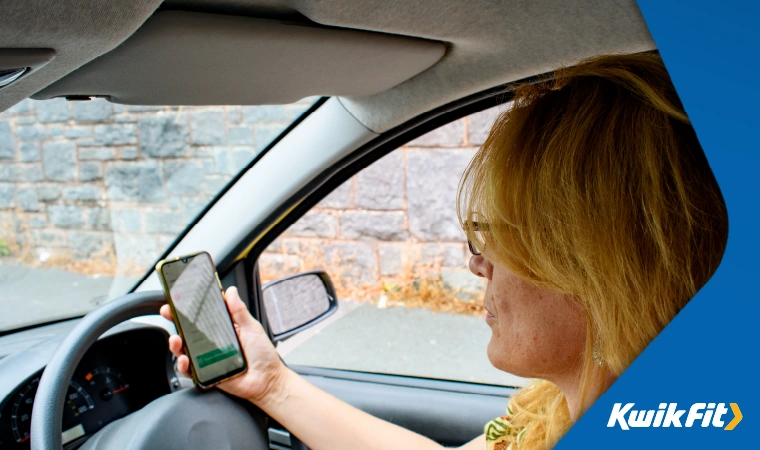
Using a mobile phone while driving is one of the most dangerous and heavily penalised offences in the UK. It is illegal to hold or use your phone for any reason while driving, including when you are stopped at traffic lights or queuing in traffic.
- The fine is £200, with six points on your licence.
For new drivers, that alone is enough to lose your licence. The bigger risk is the danger itself, as a moment of distraction can lead to a serious or even fatal collision.
If you need navigation or hands-free calling, dock your phone and get it ready before you drive. Many cars now have voice controls that keep you connected without touching the wheel. If you really must use your phone, find a safe place to pull over and switch off the engine..
Not wearing a seatbelt
Failing to wear a seatbelt is still one of the most common motoring offences in the UK. Whether it is a quick trip to the shops or a ride in the back of a taxi, the law requires everyone in the vehicle to strap in.
This is about far more than the law. In 2023, 21% of car occupants killed in collisions were not wearing a seatbelt, which points to a much higher risk of fatality.
- If you are caught without a seatbelt, you could receive a fixed penalty of £500.
- This includes ensuring children are properly secured in your car.
- You will not get points on your licence, but it can still show up on your driving record.
Parking fines and penalty charge notices (PCNs)
Parking tickets might not involve dangerous driving, but they are still a major source of motoring fines in the UK. Overstaying in a time-limited bay or parking in a residents-only zone can prove costly, even for a short amount of time.
- Penalty charge notices usually range from £60 to £100, with many authorities offering a discount if you pay within 14 days.
- They do not carry licence points, though unpaid PCNs can escalate to court action or bailiff enforcement.
Always check signs and markings before you leave the car; time limits, permit zones and loading restrictions can all catch drivers out.
Driving without a valid MOT or insurance
Driving without a valid MOT or insurance is among the most serious administrative offences, and both carry heavy consequences.
- If your MOT has expired, you can be fined up to £1,000.
- Driving without insurance is even more serious, with an unlimited fine, six to eight penalty points, and the possibility of your vehicle being seized.
- In some cases, disqualification can follow.
Staying on the right side of this comes down to organisation. You can check your MOT status online in seconds, and a calendar reminder helps you stay ahead of the renewal date - as does our free reminder service.
Vehicle tax and registration slip-ups
Ministry of Justice data shows prosecutions for vehicle registration and excise licence offences climbed 10% in a single year, from 147,200 in 2024 to 161,700 in 2025, the highest on record. Many of these cases start with an out-of-date detail or a missed renewal.
These are a few common traps that catch drivers out:
- Driving or keeping an untaxed vehicle. If your tax lapses, the DVLA can issue an automatic £80 penalty. If it goes to court, the fine can reach £1,000 or five times the tax due, and your vehicle can be clamped or impounded.
- An out-of-date V5C logbook. You must tell the DVLA when you move home or change your details. Failing to keep your V5C up to date can lead to a fine of up to £1,000. An old address also means tax reminders and legal notices go astray, which is how many people end up untaxed without realising.
- Forgetting to SORN. If your car is off the road and untaxed, you need a Statutory Off Road Notification. Without one, you can be fined £80 automatically.
The DVLA constantly checks its records against the tax and insurance databases, and ANPR cameras help flag vehicles that slip through. You can check your tax status free on GOV.UK.?
Careless or dangerous driving
This covers a range of behaviour, from drink driving, tailgating, and lane hogging to running red lights and overtaking dangerously. It is one of the more serious offence types, and the penalties reflect that.
- Careless driving can lead to fines of up to £5,000, and between three and nine points on your licence.
- Dangerous driving carries unlimited fines, driving bans and even custodial sentences. Prosecutions for it reached a record 4,700 in 2025, up 34% on the year, according to the Ministry of Justice.
Prevention here is mostly mindset - stay calm behind the wheel, allow plenty of time, and keep distractions to a minimum.

A checklist for staying safe and compliant on the road
To keep yourself clear of fines and legal trouble, here is our quick checklist to avoid many of the most common motoring offences in the UK:
?Vehicle health:
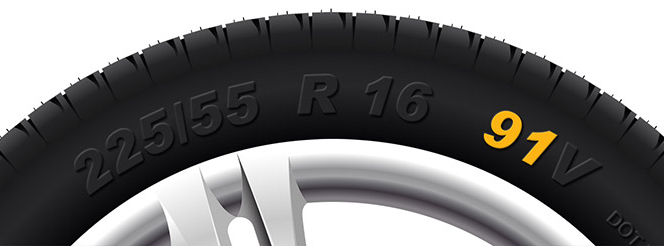
- Check tyres have legal tread (at least 1.6mm) and correct pressures
- Ensure lights, indicators and brake lights are all working
- Make sure brakes feel responsive, with no strange noises
- Keep your windscreen clear, with working wipers and washer fluid
- Check that no dashboard warning lights are showing
Paperwork and admin:
- Ensure your MOT is valid (check the date if you are unsure)
- Keep you vehicle tax up to date
- Check your insurance is active and covers your current use accurately
- Make sure your V5C logbook shows your correct name and address
- Get a SORN in place if the car is off the road
Stay road legal with Kwik Fit
Staying on the right side of the law keeps you, your passengers and everyone else on the road safer. Regular maintenance handles the mechanical side, and a few calendar reminders keep your tax, MOT and insurance from slipping.
Small habits like these add up. They help you avoid fines, and they make you a more confident, responsible driver over time. Keep your car in good shape with routine servicing and MOTs, stay up to date with current driving laws, and sort out admin well before any deadline.
If you could use help with maintenance, or something on your car is not quite right, the experts at your local Kwik Fit centre are always happy to help.


Any facts, figures and prices shown in our blog articles are correct at time of publication.
Featured Articles
Is it Illegal to Drive With One Headlight?
Saturday 19th July 2025
Wondering if it’s illegal to drive with one headlight? Learn about the safety risks and penalties of illegal blown bulbs and why you should fix them promptly.
Air Con in EVs & Hybrids: Experts Answer Your Questions
Monday 30th June 2025

Does air con drain EV batteries? Can you use the air con while charging an electric car? Find out the answers to these questions & more from Kwik Fit’s experts.
Why Is Your Car Making a Noise? Fixes & Tips
Friday 13th June 2025

When your car starts making unexpected noises, it can certainly be quite disconcerting; it may be nothing to worry about, but here’s what you need to know.