
The Science behind E-Fuels
Jessica Bird | Thursday 2nd July 2026 10:56am
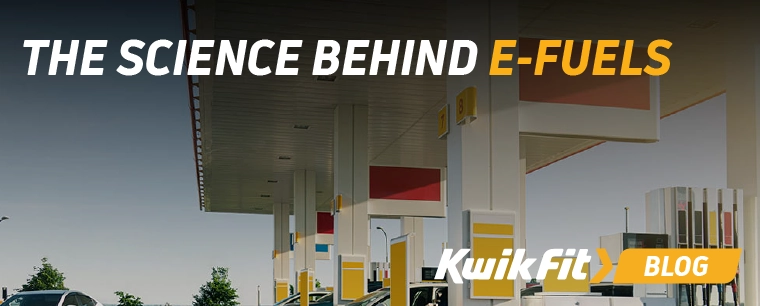
For years, the future of driving has largely been framed as a choice between petrol and electricity.
E-fuels are now being promoted as a third option.
Supporters believe e-fuels could help reduce emissions while allowing existing combustion-engine vehicles to stay on the road. However, critics argue they are expensive to produce and far less efficient than electric vehicles. That is the central debate; e-fuels can work in today’s engines, but they need far more energy to produce than charging an EV.
As governments and manufacturers look for ways to reduce transport emissions, e-fuels have become one of the most talked-about alternatives to conventional fuel.
So, what are e-fuels, where does synthetic fuel come from, and could they play a meaningful role in the future of motoring?
What are e-fuels, and where does synthetic fuel come from?
E-fuels are synthetic fuels created from renewable sources like electricity, hydrogen and captured carbon dioxide instead of crude oil.
The simplest way to think of them is as the man-made alternatives to petrol, diesel and other liquid fuels.
Traditional fuels begin with crude oil extracted from the ground. Synthetic fuels take a different route.
The process starts with renewable electricity, typically generated by wind, solar or hydro power. That electricity is used to split water into hydrogen and oxygen through a process known as electrolysis.
The hydrogen is then combined with carbon dioxide captured from the atmosphere or industrial sources. Through a series of chemical reactions, this creates synthetic hydrocarbons that can be refined into fuels, such as e-petrol, e-diesel and e-kerosene.
In simple terms, synthetic fuel comes from water, carbon dioxide and renewable energy rather than fossil fuel reserves. For drivers, the chemistry is less important than the outcome. The finished fuel behaves much like conventional fuel and can be stored, transported and used through existing fuel infrastructure.
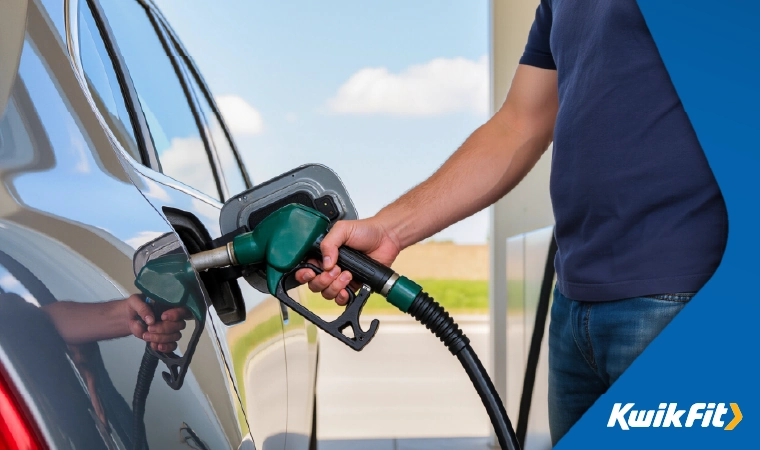
Why are e-fuels being talked about as an alternative to EVs?
E-fuels are attracting attention because they could help lower emissions from some combustion engines, without replacing the vehicle itself.
One of the biggest challenges facing transport is what to do with the millions of petrol and diesel vehicles that are already on the road. Electric vehicles continue to grow in popularity and are likely to remain the main low-emission option for everyday motoring. However, replacing every combustion-powered vehicle will take time.
This is where e-fuels become interesting.
Because they can work in many existing engines, synthetic fuel offers a potential way to reduce emissions without replacing vehicles or rebuilding fuel infrastructure from scratch. Some vehicle manufacturers have invested heavily in e-fuel development for exactly this reason.
Classic car owners could also benefit from e-fuels. If production becomes commercially viable, they may provide a way to continue driving older vehicles while reducing reliance on fossil fuels.
Will e-fuels replace electric vehicles?
Probably not. Most experts see e-fuels as a complement to EVs rather than a replacement for them.
For most UK drivers, electric vehicles remain the more practical low-emission solution. They are more energy efficient, increasingly affordable and supported by a growing charging network.
Many experts believe synthetic fuel could be particularly useful in sectors where electrification is more challenging, including aviation, shipping and motorsport. In some of these settings, batteries are often less practical due to the huge amounts of energy required for long-distance journeys. Rather than a direct competition between e-fuels and EVs, the future is more likely to involve multiple technologies working together to reduce transport emissions.
What are the drawbacks of e-fuels?
The biggest drawbacks of e-fuels are that they are expensive, energy-intensive and less efficient than using electricity in an EV.
This is where much of the debate around e-fuels begins.
Producing synthetic fuel takes a huge amount of energy. Electricity is needed to create hydrogen, capture carbon dioxide and turn both into a usable fuel. Every stage requires energy, meaning some of the original renewable electricity is lost before the fuel reaches a vehicle. That matters because electric vehicles use energy much more directly.
This doesn’t mean e-fuels are ineffective. It simply means that they are less efficient for everyday driving.
Cost is another major challenge.
Synthetic fuel remains expensive to produce, and global production volumes are still relatively small. Scaling up e-fuel production would also require enormous amounts of renewable energy, creating competition with homes, businesses, industry and EV charging infrastructure.
The biggest question is not whether e-fuels work. They do.
The real question is whether they can be produced at the scale needed to make a meaningful difference.
What should UK drivers take from the e-fuel debate?
E-fuels are promising, but their biggest challenge is scale rather than science.
For drivers, the takeaway is simple: e-fuels can work in existing engines, but producing them takes a lot of energy.
That makes them useful for some parts of transport, especially where batteries are less practical. For everyday driving, electric vehicles are still likely to remain the more efficient option for drivers looking for an eco-friendly upgrade.
As e-fuel technology continues to develop, it will be interesting to see where it fits alongside electric vehicles and other low-emission technologies. For more motoring news, advice and maintenance guides, explore the latest articles on the Kwik Fit blog or visit your local Kwik Fit centre for expert support from our Kwik Fit technicians.


Any facts, figures and prices shown in our blog articles are correct at time of publication.
Featured Articles
Is it Illegal to Drive With One Headlight?
Saturday 19th July 2025
Wondering if it’s illegal to drive with one headlight? Learn about the safety risks and penalties of illegal blown bulbs and why you should fix them promptly.
Air Con in EVs & Hybrids: Experts Answer Your Questions
Monday 30th June 2025
Does air con drain EV batteries? Can you use the air con while charging an electric car? Find out the answers to these questions & more from Kwik Fit’s experts.
Why Is Your Car Making a Noise? Fixes & Tips
Friday 13th June 2025

When your car starts making unexpected noises, it can certainly be quite disconcerting; it may be nothing to worry about, but here’s what you need to know.