
How To Change Gears In A Manual Car
An 8-step guide to changing gears smoothly and easily
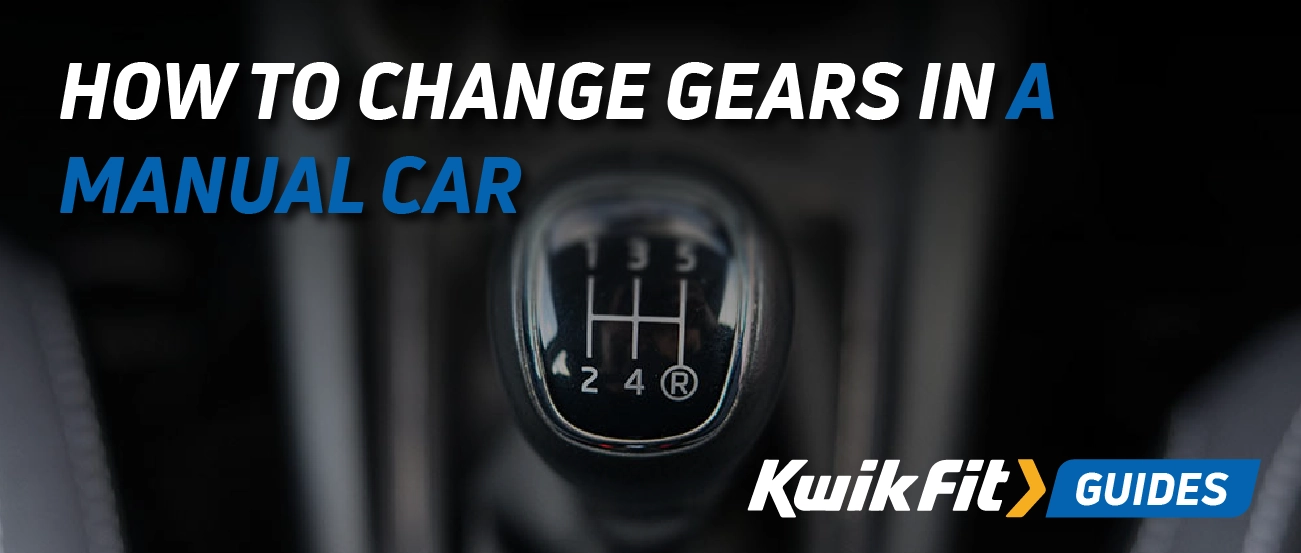
- Know that neutral is the middle slot of the gear stick, free from any gear engagement.
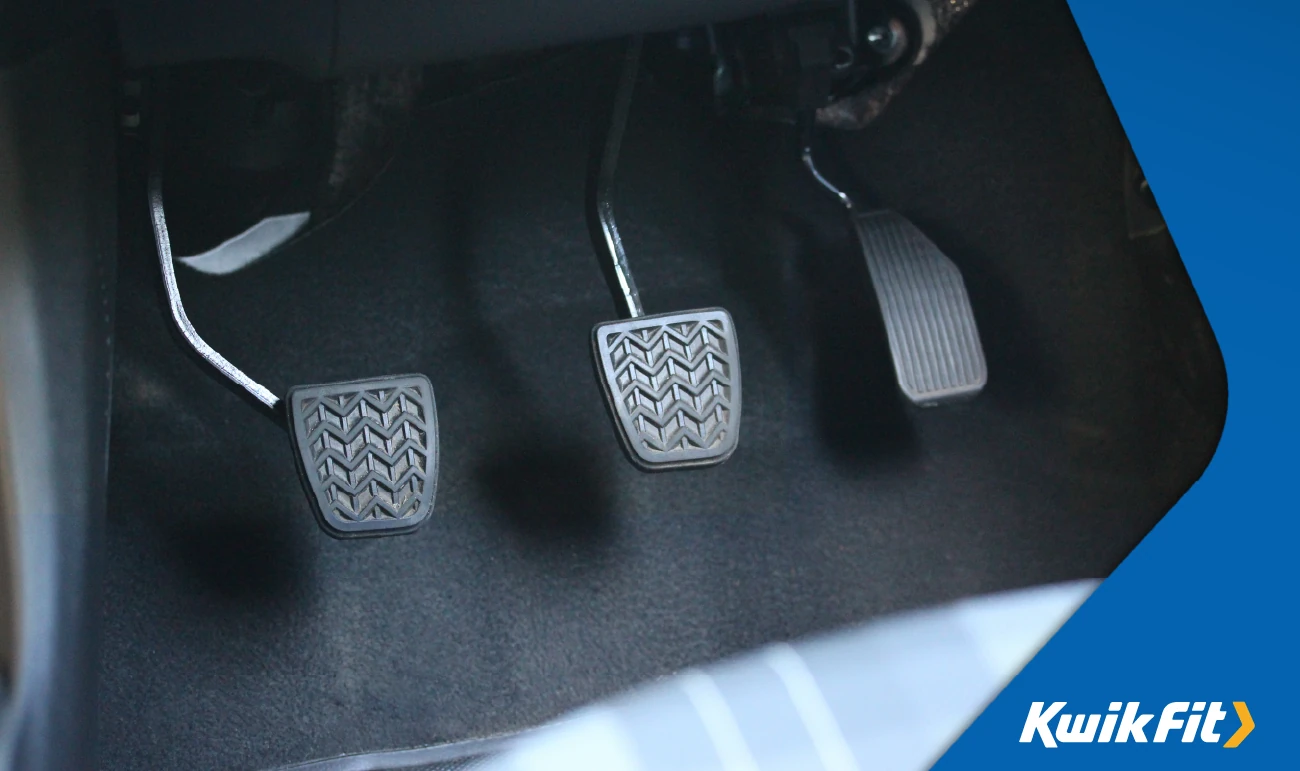
- Always press the clutch pedal fully before changing gear.
- Move the gear stick smoothly into the desired gear, using the gearbox layout as a guide.
- As you lift the clutch, apply gentle pressure on the accelerator to keep the car moving without jerks.
- To shift up, ease off the accelerator, depress the clutch, move to the higher gear, then release the clutch while reapplying the throttle.
- To shift down, follow the same process but into a lower gear, adding a touch of throttle if needed to smooth the transition.
- If the clutch comes up too quickly or there’s not enough throttle, the car may stall. Practise smooth timing to avoid this.
- If you do stall, stay calm – apply the brakes, return to neutral, restart the engine, and set off again.
Call us old-fashioned, but there’s something really satisfying about driving a manual car. You often feel more connected to the engine, you’ve got full control over your speed, and when you nail a perfectly smooth gear change, it just feels right.
Of course, the opposite is likely true if you’re new to driving a manual car. Your first few weeks in a manual tend to involve a lot of gear crunching, clutch burn, and stalls – but once you’ve got to a point where you can change gears smoothly, it often feels like having discovered a fine art.
Now, we could scrap it all and let the car decide when to change gears (the tech on new automatics is now really quite advanced), but maybe driving a manual car is a last, small act of resistance against the looming robot overlords.
So, here are our top tips for mastering manual driving.
Understanding how a manual gearbox works
It helps to start with the basics. Every time you change gear, you’re briefly disconnecting the engine from the wheels. That’s the clutch pedal’s job. When you press it down, you separate the power; release it, and the power flows back to the wheels. This pause allows you to guide the gear stick into the next gear without everything clashing inside the gearbox.
Modern cars use a clever bit of engineering, known as a synchromesh, to help the gears spin at compatible speeds and reduce grinding. But despite that, the gearbox relies on you to coordinate the pedals and the gear stick smoothly. Think of it like a little dance between your left foot, your right foot, and your hand – it’s clunky at first but, once you’ve learned the steps, it becomes second nature.
You can learn all about how gearboxes and drive trains work here.
Setting off: from neutral to first gear
Let’s assume you’re starting from stationary to begin with. When you’re ready to move off, start by checking your surroundings. Make sure mirrors and blind spots are clear, signal if necessary, and only then begin your gear change. Press the clutch fully to the floor and move the gear stick confidently into first gear.
An important note here is that you shouldn’t need to force the gear stick! If it’s not getting into gear, make sure that your clutch is fully pressed down.
Now comes one of the most important skills in manual driving: finding the bite point. This is the moment when you ease the clutch pedal up and feel the car start to strain slightly as the engine begins to connect with the wheels. At the same time, you’ll need to apply a touch of the accelerator. Too much throttle, and the car may lurch forward; too little, and the engine might stall. It’s a balancing act, but one that gets much easier with practice.
Once the car begins to move, keep gently releasing the clutch until your foot is completely off, then continue gently building speed using the accelerator. And that’s the first big step to getting on the move!
Moving into higher gears
As you pick up speed, you’ll need to move up through the gears. The timing of this depends on your car, but as a rule of thumb, most petrol cars prefer a shift around 2,500–3,500 RPM, while diesels are usually happier at a slightly lower 2,000–3,000 RPM. If you don’t have a rev counter, don’t worry – you’ll soon learn to listen to the engine. When it sounds like it’s working too hard, it’s time to change up. This will tend to sound like, well, an engine working too hard – but something like an excessive whine.
The process itself is straightforward:
- Lift your foot off the accelerator
- Press the clutch pedal down
- Move the gear stick into the next gear
- And then gently release the clutch while applying throttle again.
The key is to stay calm and fluid with your movements – if you try to rush or slam the pedals, the car will respond with a jolt. With practice, you’ll find each change feels smoother than the last, and higher gears in particular often engage more easily because there tends to be less of a ‘bite’ in the gear itself.
In other words, lower gears are designed to provide more torque in order to get your car moving and to drive up steep inclines – but higher gears are designed to keep your car moving fast in an efficient way (which means less resistance).
Moving down in gears
Downshifting isn’t only for when you’re slowing down; it’s also a way of keeping the car in the right gear to accelerate again when needed, such as when approaching a bend, coming up to a roundabout, or overtaking.
If the engine feels like it’s struggling or you need more control on a hill, it’s time to shift down.
The technique mirrors an upshift:
- Ease off the accelerator
- Press the clutch
- And guide the gear stick into the lower gear.
Before you release the clutch, give the accelerator a small press to raise the revs – this “blip” helps match engine speed to wheel speed, making the transition smoother. Release the clutch gradually, and you should feel the car respond with balance rather than a jolt.
Avoiding common gear changing mistakes
It’s worth remembering that every driver makes mistakes when learning to change gears.
- One of the most common issues is jerky changes, usually caused by releasing the clutch too quickly or rushing through the motion. Slow down, take a breath, and give yourself time to coordinate your feet.
- Grinding gears is another frequent culprit. This almost always means the clutch wasn’t pressed fully, so the gears couldn’t engage cleanly. Always press the pedal right to the floor. If you’re finding that you get a grinding noise when changing gears and you have your clutch pedal all the way to the floor, it could be that your clutch needs adjusting.
- Stalling happens to everyone every now and then – especially at junctions. The trick is to stay calm. Simply press the brake, return the gear stick to neutral, restart the engine, and try again.
And, again, never force the gear stick. If it resists, don’t shove it. This is especially the case if you’re trying to move back into 1st gear from 2nd, as most gearboxes have a speed-activated catch to stop you accidentally jumping back into 1st and potentially damaging your engine, clutch, or gearbox. Instead, return to neutral, press the clutch again, and try once more. Over time, you’ll learn the natural rhythm of your gearbox and gear changes will become far more intuitive.
Tips for tricky roads
Changing gears isn’t the same in every situation, and different roads bring their own challenges.
- Hill starts, for example, can be stressful if you’re not confident. The safest method is to keep the handbrake on until you’ve found the bite point, then release it while gently pressing the accelerator. This stops the car from rolling backwards and gives you extra control.
- In slow, stop–start traffic, stick to first or second gear, but avoid riding the clutch – resting your foot halfway down puts unnecessary strain on the mechanism.
- On wet or icy roads, keep gear changes as smooth and gentle as possible, since abrupt inputs can make wheels lose grip.
- And when heading downhill, don’t rely entirely on your brakes. Downshifting to a lower gear helps the engine control your speed – a technique known as engine braking.
Practice builds confidence
Like any skill, smooth gear changes come with practice. A quiet car park or residential street is the perfect place to build confidence. Practise pulling away in first gear repeatedly, adjusting your throttle input each time to see how the car reacts.
Work your way up through the gears, then back down, focusing on smooth transitions. If you have access to a safe hill, it can help to practise hill starts until they no longer make your stomach flip!
When to seek professional help
If, despite plenty of practice, you find gear changes are consistently difficult, the problem may lie with the car rather than your technique. A slipping clutch, persistent grinding, or a gearbox that refuses to engage certain gears are all signs that something isn’t right mechanically. These issues won’t go away on their own – and ignoring them can make the problem worse as you run into compounding damage.
So it can save a lot of hassle to be proactive with getting a professional opinion. Our technicians are always on hand to help with things like vehicle health checks, battery checks, brake checks, and anything else you might need – get in touch with your local Kwik Fit centre today.