
A Guide to Oil Warning Lights
Jessica Bird | Friday 5th June 2026 11:16am
When a warning light pops up on your dashboard, it’s normal to feel concerned – especially if you’re driving at the time. But the best thing you can do is stay calm, avoid any sudden manoeuvres, and work out how urgent the warning is.
Some dashboard lights are reminders that something needs checking soon. Others indicate that you should stop immediately – as soon as it’s safe to do so. The oil warning light is one of the ones you really don’t want to ignore.
That little oil-can symbol can point to a few different issues, from low oil level to a drop in oil pressure. In some cases, you may be able to top up your oil and continue with care. In other cases, driving on could cause serious engine damage.
Here’s what the oil warning light means, why it might come on, and what you should do next.
What does the oil warning light look like?
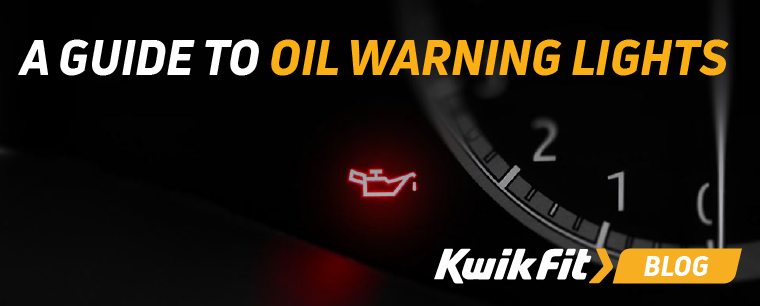
The oil warning light usually looks like an old-fashioned oil can, often with a drip coming from the spout. In some vehicles, you might also see the word “OIL” on the dashboard display.
The exact symbol, colour, and position can vary depending on your car, so it’s always worth checking your vehicle handbook if you’re unsure. This is especially useful if you’ve recently changed cars, borrowed a vehicle, or you’re hiring one.
In general, dashboard warning colours work like this:
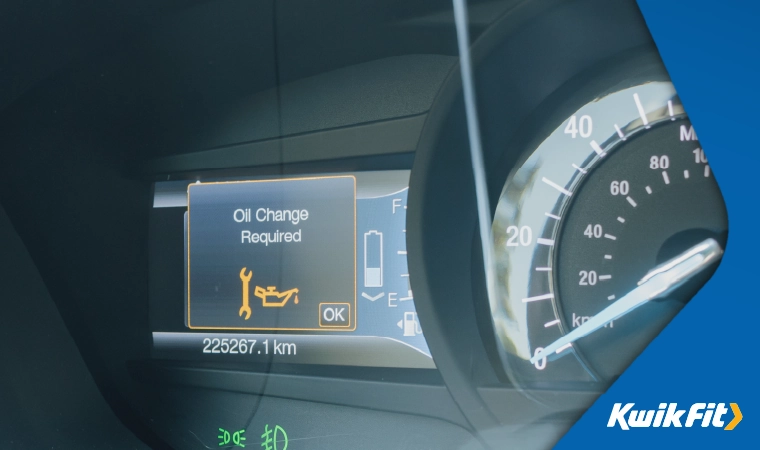
Amber or yellow warning light
Something needs attention as soon as possible, but not immediately. This may mean your oil level is low, your oil needs checking, or your car has detected a less immediate issue.
Red warning light
Stop as soon as it’s safe to do so. A red oil light usually means the engine may not have enough oil pressure, which can cause damage very quickly if you continue to drive. Once you’re safely stopped, check your oil level if you know how and it’s safe to do so (be mindful that it’s likely to be hot if you’ve just been driving). If the oil level is very low, you may be able to top it up with the correct oil, but seek professional advice immediately if the warning light stays on.
Flashing warning light
Treat this as urgent. A flashing oil warning light usually means the problem needs immediate attention.
It’s worth mentioning, however, that not every car uses the same system – so don’t rely on colour alone. Your handbook is the best guide for your specific model. And if you’re unsure what the warning means, or the light stays on after topping up, it’s best to get professional help before driving further.
Common causes of an oil warning light
Low oil levels
This is one of the most common reasons for an oil warning light. Your engine needs oil to lubricate all the moving parts inside it. Without enough oil, those parts create too much friction, heat, and wear.
Low oil can happen for a few reasons. Some engines tend to naturally “burn off” a small amount of oil over time, especially on longer journeys or in older vehicles. Alternatively, there may also be a leak, or the oil may not have been topped up between services.
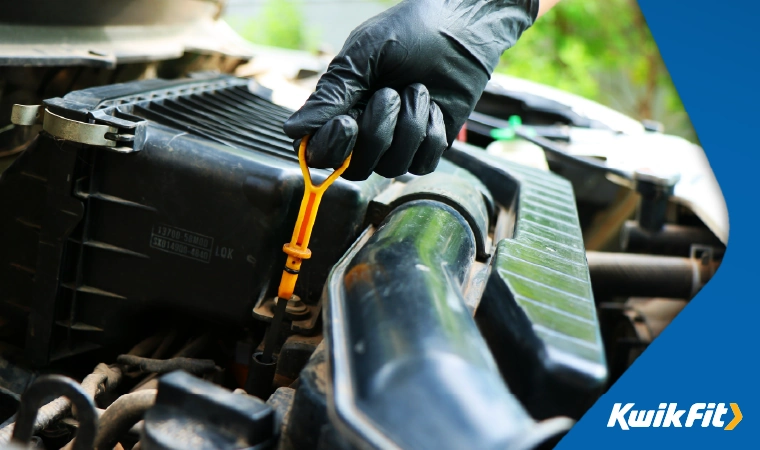
It’s a good habit to check your oil level regularly – ideally every few weeks, and before any long journeys. Make sure the car is parked on level ground, let the engine cool for a few minutes, and use the dipstick or dashboard oil-level system (if your car has one) to check the current level.
If you do need to top up, use the correct grade of oil for your car. You’ll find this in your handbook, or a technician can help you choose the right one.
Old or poor-quality oil
Oil doesn’t last forever. Its job is to lubricate metal parts so, over time, metal dust accumulates in the engine and it becomes dirty – which means it also becomes less effective at protecting your engine. If your oil is old, contaminated, or too thin, it may not circulate properly or maintain the right pressure.
This is why regular servicing is so important. Some cars need oil changes more often than others, depending on mileage, age, driving style, and manufacturer guidance. Lots of short trips, stop-start driving, towing, or high-mileage use can also all put extra strain on engine oil.
Rather than sticking to a one-size-fits-all schedule, follow your vehicle manufacturer’s service interval and don’t ignore your service light. If your car isn’t due a full service but the oil needs attention, an engine oil and filter change can be a simple way to keep things running smoothly.
Faulty oil pressure sensor or gauge
Sometimes the oil level is fine, but the warning light still appears. In that case, the problem could be with the oil pressure sensor, wiring, or dashboard gauge.
That doesn’t mean it’s safe to keep driving, though. A faulty sensor can look very similar to a genuine oil pressure problem from the driver’s seat. It’s best to get a trained technician to carry out checks to confirm whether the engine really has low oil pressure, or whether the warning system itself is at fault.
Blocked or dirty oil filter
Your oil filter helps remove dirt, metal particles, and other debris from the oil as it moves around the engine. If the filter becomes clogged, oil flow can be restricted, which may affect oil pressure and trigger the warning light.
This is one reason oil and filter changes usually go together. Fresh oil is much more effective when it’s passing through a clean filter.
Oil pump problems
The oil pump moves oil around the engine, but if it isn’t working properly, the engine may not get the lubrication it needs - even if there’s enough oil in the sump.
Oil pump issues are really serious, so if your oil light is red, the oil level looks normal, and the warning won’t go away, don’t keep driving. Get the vehicle checked as soon as possible.
Engine overheating
Engine oil also helps carry heat away from moving parts. If your engine is overheating, the oil can thin out and stop lubricating properly. You might notice other warning signs too, such as a rising temperature gauge, steam from under the bonnet, unusual smells, ticking or knocking noises, or reduced performance.
An overheating engine in general can have several causes, including coolant leaks, cooling fan faults, thermostat issues or water pump problems. Whatever the reason, it’s best to stop and get advice before the damage gets worse.
Can you drive with the oil warning light on?
If the light is red, no – not unless you’re moving the car a very short distance to get out of immediate danger. Stop safely, switch off the engine, and get help.
If the light is amber, you may be able to drive carefully to a safe place to check the oil, but don’t leave it until your next service. Top up if needed, and arrange a professional inspection if the light stays on or comes back quickly.
When in doubt, ask for expert advice
Ultimately, your oil warning light is there to protect your engine – and ignoring it can turn a simple top-up or filter change into a much more expensive repair.
If your oil warning light has come on, or you’ve noticed unusual engine noise, smoke, a burning smell, overheating, or a drop in performance, don’t wait and see what happens. Pop into your local Kwik Fit centre or book an appointment online, and one of our technicians can help check what’s going on.


Any facts, figures and prices shown in our blog articles are correct at time of publication.
Featured Articles
Is it Illegal to Drive With One Headlight?
Saturday 19th July 2025
Wondering if it’s illegal to drive with one headlight? Learn about the safety risks and penalties of illegal blown bulbs and why you should fix them promptly.
Air Con in EVs & Hybrids: Experts Answer Your Questions
Monday 30th June 2025
Does air con drain EV batteries? Can you use the air con while charging an electric car? Find out the answers to these questions & more from Kwik Fit’s experts.
Why Is Your Car Making a Noise? Fixes & Tips
Friday 13th June 2025

When your car starts making unexpected noises, it can certainly be quite disconcerting; it may be nothing to worry about, but here’s what you need to know.