
Are Electric Cars Exempt from the Congestion Charge?
Jessica Bird | Saturday 20th June 2026 10:15am
The UK’s roads are changing faster than ever – and we’d argue, largely, for the better. Cleaner vehicles are becoming more common, emissions rules are getting tighter, and cities like London are continuing to look for ways to manage traffic and improve air quality.
But there are ups and downs. Until recently, electric car drivers had a big incentive when travelling into central London, in the form of a 100% discount on the Congestion Charge. But that rule has now changed.
As of 2026, electric cars are no longer completely exempt from the London Congestion Charge. However, eligible electric vehicles can still get a discount if they’re registered for Auto Pay.
Here’s everything you need to know.
What is the Congestion Charge?
The Congestion Charge is a daily fee for driving within London’s Congestion Charge Zone during certain hours. While it might seem like an inconvenient “driver’s tax”, it’s designed to help reduce traffic in some of the busiest parts of the capital, and therefore mitigate some of the negative effects of constant congestion.
The charge applies in central London, covering areas such as Westminster, the City of London, Soho, Holborn, Farringdon, Marylebone, and parts of the South Bank – automatic number plate recognition cameras track whether you’ve been into the zone, and charge you digitally.
It’s worth noting that the Congestion Charge is separate from ULEZ. The Ultra Low Emission Zone is based on vehicle emissions, while the Congestion Charge is mainly about managing traffic levels – but more on the ULEZ later. Depending on your vehicle, journey, and route, you may need to pay one, both, or neither when travelling into London.
At the moment, the Congestion Charge is £18 if paid in advance or on the day of travel, or £21 if paid by midnight on the third day after travelling. It applies from 7am to 6pm Monday to Friday, and 12pm to 6pm on weekends and bank holidays. There’s no charge between Christmas Day and the New Year’s Day bank holiday, including the days themselves.
Importantly, if you don’t pay when required, then TfL can issue a Penalty Charge Notice. The current PCN is £180, reduced to £90 if paid within 14 days.
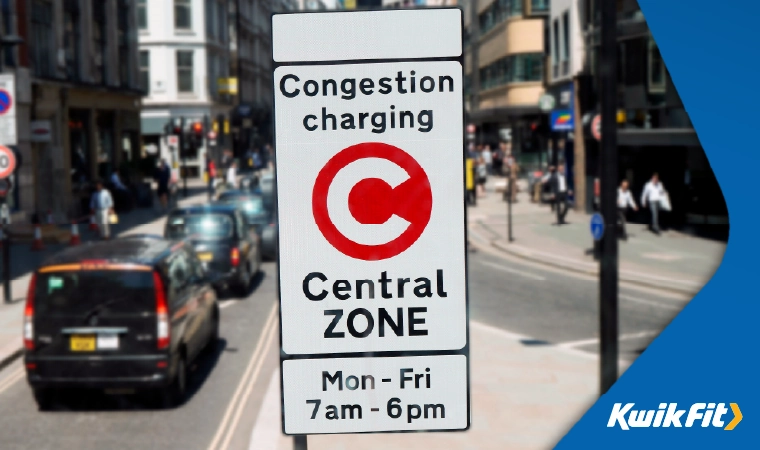
What areas are included in the Congestion Charge Zone?
The Congestion Charge Zone covers the area within London’s Inner Ring Road. The boundary itself isn’t charged, but if you drive inside the zone during chargeable hours, you’ll usually need to pay.
Because the zone includes many busy central London areas, it’s always best to check your route before travelling. TfL has an online postcode and vehicle checker that can confirm whether your journey takes you into the zone, and whether any charges apply.
Electric cars are no longer exempt from the Congestion Charge
The previous 100% Cleaner Vehicle Discount has now ended. From 2nd January 2026, a new tiered Cleaner Vehicle Discount applies to eligible electric vehicles, but only if they’re registered for Auto Pay.
That means:
- Electric cars registered for Auto Pay get a 25% discount
- Electric vans, HGVs and quadricycles registered for Auto Pay get a 50% discount
Instead of paying the full £18 daily charge, an eligible electric car on Auto Pay currently pays £13.50. Eligible electric vans and HGVs on Auto Pay pay a further discounted rate of £9 – with the intention of encouraging commercial traffic (such as tradespeople) to invest in greener driving. It’s also worth emphasising that if your electric vehicle isn’t registered for Auto Pay, the discount won’t apply.
Do plug-in hybrids qualify?
No. The current Cleaner Vehicle Discount is for electric cars, vans, HGVs and quadricycles. Plug-in hybrids are not included in the new discount.
That’s an important change from older versions of the scheme, where some low-emission plug-in hybrids could qualify if they met specific CO2 and electric-only range requirements.
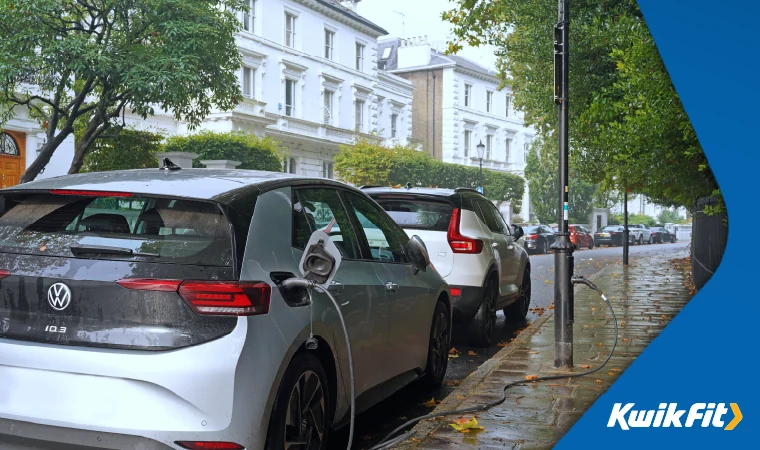
How do I get the EV discount?
For UK-registered electric vehicles, you’ll need to set up a London Road User Charging account, register for Auto Pay, and make sure the vehicle you drive in the zone is added to your Auto Pay service.
There’s no separate Cleaner Vehicle Discount application if your eligible vehicle is already correctly registered on Auto Pay. TfL says the discount is applied automatically – but you are able to check that it’s been applied if you feel there’s been a system error.
Before you drive, it’s a good idea to check your vehicle details are correct. That’s especially important if you’ve recently bought the car, changed number plates, leased a vehicle, or added a vehicle to your account.
Will electric cars always get a Congestion Charge discount?
Because the Congestion Charge is aimed at curbing traffic within the city centre, there’s no guarantee that electric vehicles will continue to get the Cleaner Vehicle Discount – and especially not at the current level.
TfL has already confirmed that the Cleaner Vehicle Discount will reduce again from 4th March 2030. From that date, electric cars on Auto Pay are due to receive a 12.5% discount, while electric vans, and HGVs on Auto Pay are due to receive a 25% discount.
Are any vehicles still exempt from the Congestion Charge?
Some vehicles and drivers can still qualify for exemptions or discounts. These include certain accredited breakdown and recovery vehicles, Blue Badge holders, eligible residents, some 9+ seater vehicles, and a few other specific vehicle categories (such as emergency services vehicles).
The rules can vary depending on the vehicle type, driver status, and whether the vehicle has been registered correctly, so it’s always worth checking with TfL before driving into the zone.
Do electric cars still avoid ULEZ charges?
Yes, fully electric cars don’t produce tailpipe emissions, so they meet ULEZ standards and don’t need to pay the ULEZ charge.
However, that doesn’t automatically mean they’re exempt from the Congestion Charge. ULEZ and the Congestion Charge are separate schemes, with separate rules.
Need help looking after your electric car?
Electric cars need regular checks, servicing and maintenance. They may not have a traditional engine, but parts such as tyres, brakes, suspension, wipers and air conditioning still need looking after.
If you’re unsure what your EV needs, or you’d like help getting it ready for city driving, get in touch with your local Kwik Fit centre. Our team can help with electric vehicle tyres, checks, and maintenance, so you can always drive with confidence.
For more advice on electric vehicles, tyres, MOTs and everyday motoring, head over to the Kwik Fit blog.


Any facts, figures and prices shown in our blog articles are correct at time of publication.
Featured Articles
Is it Illegal to Drive With One Headlight?
Saturday 19th July 2025
Wondering if it’s illegal to drive with one headlight? Learn about the safety risks and penalties of illegal blown bulbs and why you should fix them promptly.
Air Con in EVs & Hybrids: Experts Answer Your Questions
Monday 30th June 2025
Does air con drain EV batteries? Can you use the air con while charging an electric car? Find out the answers to these questions & more from Kwik Fit’s experts.
Why Is Your Car Making a Noise? Fixes & Tips
Friday 13th June 2025
When your car starts making unexpected noises, it can certainly be quite disconcerting; it may be nothing to worry about, but here’s what you need to know.