
The Festival i-Sapping Habit That Kills Your Battery
Jessica Bird | Sunday 12th July 2026 11:14am
The headliners have finished, you’ve wrestled your tent back into its bag, and it’s time to head home. But for thousands of motorists every summer, the final day of a festival brings a frustrating delay. After a weekend of using your car as a makeshift power bank, you get into the driver’s seat, turn the ignition, and hear nothing but a faint clicking noise. The battery is completely dead.
This specific type of vehicle breakdown, known as ‘i-Sapping’, is a major cause of Monday-morning mayhem at festival campsites across the UK. While roadside recovery services are there to help you after your vehicle gets stranded, a proactive approach can prevent this issue entirely - saving you time, money, and a lot of stress.
Read on to learn how to avoid the festival flatline on your next trip to Reading, Boardmasters, or Download.
Feeling drained after a festival?
If you’ve been to a music festival before, you’ll know all too well the wave of exhaustion that hits you when you wake up on the final morning. You’ve sung til your throat is sore, danced til your feet hurt, and that inflatable mattress certainly hasn't done any wonders for your back.
Well, after three days in a field off-grid, chances are that your car feels about as drained as you do.
In 2025, there were 592 music festivals across the UK, 360 of which were 'greenfield' events (think off-grid camping fields, fences, and stages). Unsurprisingly, the most popular festival by far was Glastonbury, with over 200,000 attendees each year.
At these greenfield festivals, many people choose to camp for the weekend. Because attendees are entirely disconnected from standard mains power for days at a time, their vehicles become an incredibly tempting alternative source of electricity. This is what’s known as “i-Sapping”.
What is 'i-Sapping'?
I-Sapping is a common phenomenon at festivals, where a vehicle’s battery is drained (and can even die entirely) as a result of multiple devices being charged while the engine is not running.
Over a weekend, campers plug in devices like smartphones, vapes, cameras, and portable electronics. While it might seem harmless to borrow a little bit of electricity, modern vehicles are not built to function as multi-day generators for a campsite.
So, by the time Monday rolls around, many batteries have gone completely flat.
Why does i-Sapping drain batteries at festivals?
To understand why this habit is so damaging, it helps to look at what a standard car battery is actually built to do, and how it performs when asked to power multiple gadgets.
Vehicle electrical systems are designed with a specific role in mind
Your battery is built to provide the burst of power needed to start the engine. Once the engine is running, the alternator takes over, powering your car’s electrical systems and recharging the battery.
When you’re parked up at a festival campsite, however, you’re unlikely to be running the engine while charging your phone or other devices. That means the battery is supplying power without getting the chance to recharge. Over time, this can drain the battery, and leave you struggling to start the car.
Modern vehicle systems take time to power down
Modern cars contain far more electronics than older vehicles, from touchscreen displays and sensors to security and keyless entry systems. Even after you switch the engine off, some of these systems can remain active for a short period before fully powering down.
This means your battery may still be supplying power even when the car appears to be switched off, which can become more noticeable if you’re repeatedly using electrical features without driving the vehicle.
Small actions can keep electrical systems active
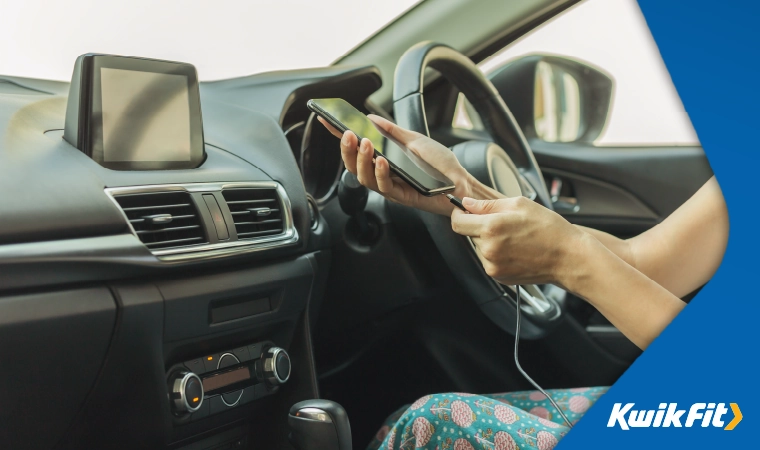
While simply plugging your phone into the USB port for a few minutes might not seem like a lot, it actually draws more power than you realise. Every time you plug in a device, open a door to grab a coat, or unlock the boot, you can temporarily wake up some of the vehicle’s electrical systems.
On their own, these small power demands are usually minor. However, if you repeatedly use the car’s electronics over a long festival weekend without driving far enough to recharge the battery properly, the battery level can gradually drop.
This is without even mentioning “parasitic drain”, which can happen due to a faulty accessory in your car or by leaving things running (like headlights) accidentally.
Growing gadget dependency overloads older batteries
The drain on car batteries at festivals is amplified further by our heavy reliance on technology. Rather than just powering up one single mobile phone, most drivers and passengers now travel with a whole trunk full of gadgets, like wireless headphones, tablets, portable speakers, and personal styling electronics.
Such high demand is frequently the breaking point for a battery that is already past its prime. With the average lifespan of a car battery sitting at between five and seven years, an ageing battery may well have enough strength to manage a regular commute, but simply cannot sustain an entire weekend of tech-induced activity.
How to avoid a festival flat-line
To avoid spending the Monday after the festival on the phone with vehicle recovery services, follow our tips for maintaining battery health, both before and during the festival.
Pre-festival prep & maintenance
Alongside checking that your tent fits in the car and your sleeping bag is still in one piece from last year, here are a few essential battery maintenance activities that you can do in the days before you head off to a festival.
1. Get a battery health check
First, give yourself the peace of mind that your battery won't give up on you after a few minutes of charging your phone. You’ll need to check that the battery, as well as its starting and charging systems, are functioning as they should.
For this, head to your local Kwik Fit for a Free Battery Health Check (yes, free; We know how expensive festival tickets are nowadays).
Our expert team of technicians will assess the voltage output and charging rate, letting you know if battery failure is on the cards any time soon. This gives you plenty of time to source a replacement before heading off to the festival.
2. Clean your battery terminals
If it's been a while since you've given your battery some TLC, there may well be some corrosion building up around the terminals, reducing battery performance. Giving your battery terminals a quick clean, following our guide, is a handy way to rule this out as a cause of a flat battery.
Note: this does not apply to electric cars. Speak to your local Kwik Fit for EV-specific maintenance advice.
3. Cover all your bases
It's important to remember that it's not just your battery that can let you down during a festival. With extra passengers, not to mention all the tents and bags, your car will likely be weighed down much more than usual. That’s why checking your tyre pressures and fluid levels before you set off is essential too.
For a full list of pre-festival car checks, read our blog titled “Tips For Driving Safely This Summer Festival Season”
How to save your battery while camping
The preparation doesn't just stop once you've parked your car. In fact, the moments after you've chosen your parking spot for the weekend are the most important ones when it comes to avoiding a flat battery on Monday.
1. Give your car a once-over
Before immediately running to join the queue, give your car a once over to double check that everything has been turned off.
- Check that your headlights are switched off.
- Make sure no interior lights have been left on.
- If your sun visor or glove compartment triggers a light when open, make sure these are fully closed to avoid draining the battery without you realising.
- Remove any items from the 12V socket (cigarette charger), as these can leach power without you knowing.
- Unplug or remove your dash cam, which may use power over the weekend.
2. Use portable power banks
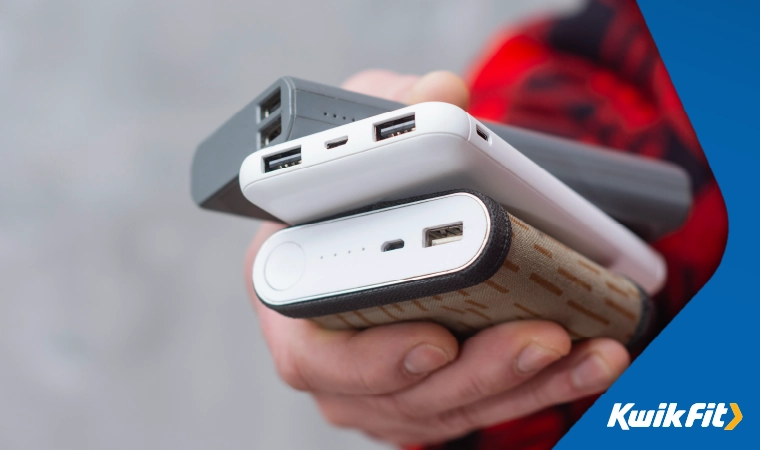
While charging your phone in your car is okay for emergencies, it's best practice to rely on other power sources. Bring external battery ‘bricks’ for your phones and vapes so you do not have to rely on the car. If in doubt, bring multiple to cover you for the entire weekend.
3. Lock it and leave it
If you can help it, avoid constantly opening and closing your car doors. What’s more, if your car has a keyless ignition, try to keep your key fob stored far away from your car to avoid them communicating with each other and slowly draining the battery.
BYOB (Be Your Own Bail-out)
We appreciate that every inch of space in your car is vital when travelling to a festival. Bucket hats, beverages, and biscuits all take pride of place in the boot (in that order).
But what could be more vital than equipment to get your car back up and running again if the battery does run flat? Stash some jump leads somewhere safe and, if you have it (and feel confident using it), bring a portable jump starter too.
That way, if you find yourself with a dead battery when the fields are starting to empty on Monday, you'll be in a much better spot with your own rescue equipment, rather than waiting hours for roadside assistance to find you amongst the trail of tents and tins.
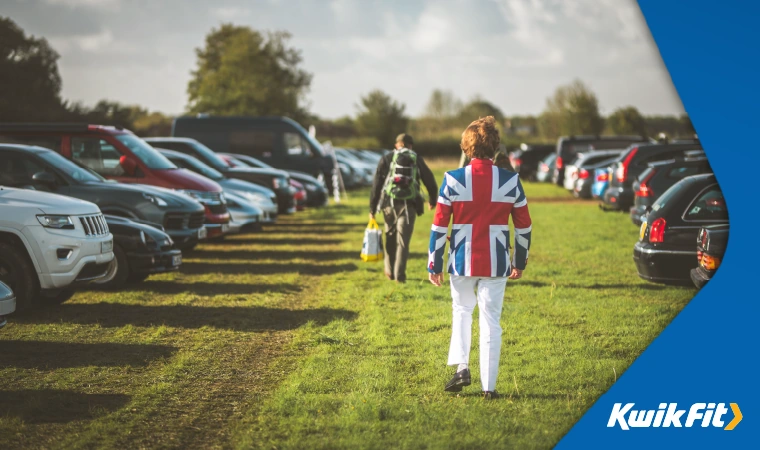
Before you head home from a festival
As the festival comes to an end, take a few minutes to check your vehicle before joining the queue to leave. If you've been using your car to charge devices all weekend, watch out for signs of a struggling battery when you start the engine.
It's also worth removing any festival parking passes or windscreen stickers before setting off. While they make great souvenirs, large passes can reduce visibility if left in place after the event (and can even cause you to fail your MOT). Keep them as a memento by all means, but store them somewhere safer than your windscreen.
A quick check before you leave the campsite could save you from a frustrating journey home.
For batteries that don’t slow you down, trust Kwik Fit
With over 600 locations across the UK, you will never be far from a Kwik Fit centre if you have an issue with your battery. Browse our range of replacement batteries or book in for a Free Battery Health Check today.
And for more helpful motoring tips and tricks, keep up to date with our blogs and guides.


Any facts, figures and prices shown in our blog articles are correct at time of publication.
Featured Articles
Is it Illegal to Drive With One Headlight?
Saturday 19th July 2025
Wondering if it’s illegal to drive with one headlight? Learn about the safety risks and penalties of illegal blown bulbs and why you should fix them promptly.
Air Con in EVs & Hybrids: Experts Answer Your Questions
Monday 30th June 2025
Does air con drain EV batteries? Can you use the air con while charging an electric car? Find out the answers to these questions & more from Kwik Fit’s experts.
Why Is Your Car Making a Noise? Fixes & Tips
Friday 13th June 2025
When your car starts making unexpected noises, it can certainly be quite disconcerting; it may be nothing to worry about, but here’s what you need to know.