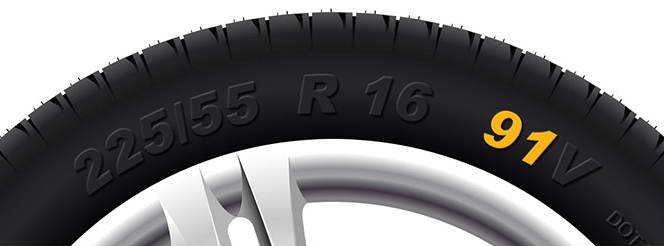

How To Get Your Car Unstuck From Mud This Winter
Jessica Bird | Tuesday 21st October 2025 2:00pm

Few things are more frustrating than that sinking feeling when your wheels spin helplessly in the mud. Winter driving in the UK often means wet verges, muddy fields at events, and waterlogged country lanes - all of which can leave your car well and truly stuck.
But try not to worry, getting stuck in the mud is certainly inconvenient, but it isn’t the end of the road. With a bit of learning and a bit of luck, you can usually free your vehicle without causing any damage.
Let’s look at how to get your car unstuck from mud, as well as when it might be time to call for help.
What not to do if your car is stuck in mud
The first thing to remember is not to panic. It’s surprisingly easy to get caught up in the worry and just keep pressing the accelerator, but spinning your wheels in frustration will only make things worse, digging your tyres deeper and packing them with mud. Which, in turn, makes it harder to get out and risks damaging your car’s drivetrain or clutch (or the tyres themselves).
Instead, stop, take a breath, and assess your situation calmly before trying any recovery techniques.
How to get your car out of the mud
Many big events like festivals or fairs, use temporary car parks or require you to park on verges. Rain and bad weather can make these a quagmire for your vehicle. At other times, simply pulling up at the side of the road can get you stuck in the mud before you know it. That’s winter driving in the UK for you!
But, again, don’t panic – here are the steps you need to take:
1. Assess the situation
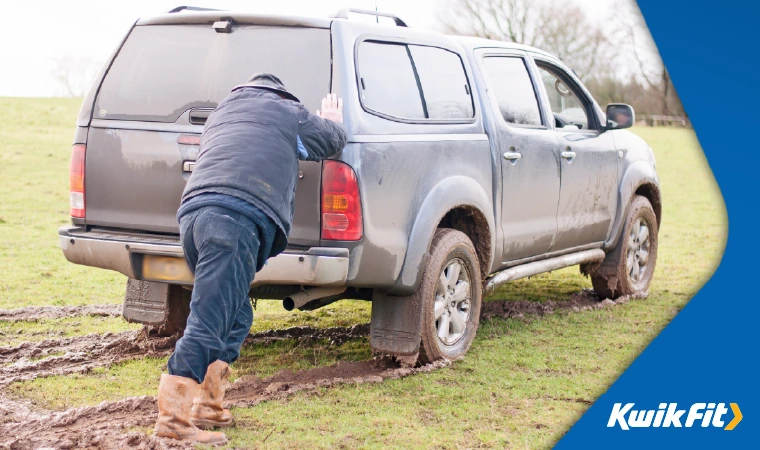
Step out of the vehicle (safely) and check how deep the wheels have sunk. If your car is “beached” – i.e. the tyres have sunk and the body of the car is resting on the ground – you’ll likely need professional recovery. But, if the mud is shallow and only the tyres are slipping, you’ve got a good chance of freeing the car yourself.
At this point, it’s worth reminding yourself whether your car’s a front-wheel drive, rear-wheel drive, or an all-wheel drive. Most modern domestic cars are front-wheel drive, so it’s those wheels you’ll need to focus on freeing.
2. Give yourself room
Ask passengers to get out of the car and stand at a safe distance. Less weight means less pressure on the tyres, making it easier to gain traction.
So that your car has room to manoeuvre, gently turn the steering wheel from side to side. That way, the tyres won’t be sitting in single, deep channels.
Now’s the time to see if you can free your car.
3. Try pulling away in a higher gear
Put your car in 2nd (or even 3rd) gear to try to pull away. This helps because it reduces the traction applied at the wheels and doesn’t churn up the ground as much. Don’t feel tempted to slam your foot down on the accelerator; slow and steady does the trick.
Gently release the clutch and accelerate very slowly, keeping the front wheels straight at first. If you feel any traction, turn the wheels to the side to try to grip it.
If this doesn’t work, you could try rocking the car back and forth by accelerating and then reversing to rock the car back, using the momentum to push forward. Only try this a few times, though, and then reassess - because if there are any signs of the car digging deeper, you need to try something else.
4. Add traction under the tyres
When mud clogs tyre treads, they lose grip. Placing something rough in front of the wheels can make all the difference.
Try to locate any rough materials like planks or even twigs, and put them just in front of the front tyres (if your car’s a front-wheel drive). It’s also a good idea to dig away some mud if you can, so that there’s not a steep incline for your tyres to mount.
As another alternative, pull up your floor mats and put them in front of each tyre. You might ruin a couple of them, but it’ll be worth it if they provide the traction needed to get your car unstuck.
5. Lower tyre pressure slightly
The last thing you could try is removing a very small amount of air from your tyres. Doing so gives your tyres more surface area, and if you combine this with dry, rough material under each tyre, you’ve got a much better chance of getting unstuck.
Note: if you do this, it’s important to head to a petrol station to inflate your tyres back up to the correct pressure. Otherwise, you could end up damaging them and needing a new set of tyres.
Can getting stuck in mud damage your car?
Prolonged wheel-spinning can actually overheat and damage the clutch. Mud can also get packed into brakes, wheel arches, and suspension components, leading to premature wear.
That’s why it’s a good idea to drive slowly at first after getting unstuck and book a quick, free tyre inspection with your local Kwik Fit if you’re concerned. If you anticipate regularly driving on roads that could lead you to getting stuck in mud, it’s worth looking at fitting winter tyres.
Can you use household items to gain traction?
In a pinch, everyday items can help. Floor mats are the most obvious choice, but you might also try old carpet, cardboard, or even cat litter to create friction under the tyres. Just avoid anything that could damage your car or fly out dangerously when the wheels spin.
Should I use sand or salt to get unstuck?
Sand can be a useful option for traction if you have some in your boot or nearby – but solid things like planks tend to work a lot more effectively. Salt, however, isn’t recommended. While it might melt ice, it won’t help much with mud, and it can accelerate rust if it gets into your car’s bodywork.
What if my car is stuck in snow or sand instead?
The same general rules apply: stay calm, go to higher gears, avoid spinning the wheels, and look for traction. Learn more about driving in ice and snow here.
No luck? Call in a tow company
If nothing works and you find you’re just getting more stuck in the mud or your car simply isn’t going anywhere, you need to call a tow company.
Or, if you’re lucky enough to know someone with a tractor or big truck, it could be time to call in a favour! Just make sure they pull your car out slowly and use a safe towing point.
Once you’re free, you’ll need to drive slowly at first as the mud works its way off. Look for any damage and check in with your local Kwik Fit if you’d like an expert eye to check things over.
Take a look at our Winter Driving Checklist for a rundown of the essentials you should have in your car to help in situations like this in the cold months.


Any facts, figures and prices shown in our blog articles are correct at time of publication.
Featured Articles
Is it Illegal to Drive With One Headlight?
Saturday 19th July 2025

Wondering if it’s illegal to drive with one headlight? Learn about the safety risks and penalties of illegal blown bulbs and why you should fix them promptly.
Air Con in EVs & Hybrids: Experts Answer Your Questions
Monday 30th June 2025
Does air con drain EV batteries? Can you use the air con while charging an electric car? Find out the answers to these questions & more from Kwik Fit’s experts.
Why Is Your Car Making a Noise? Fixes & Tips
Friday 13th June 2025

When your car starts making unexpected noises, it can certainly be quite disconcerting; it may be nothing to worry about, but here’s what you need to know.