
How to Handle Driving Through Fog
Jessica Bird | Thursday 30th October 2025 1:00pm
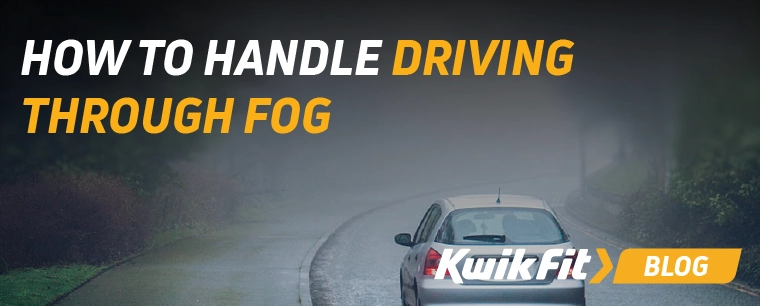
Although fog can happen any time of the year, it’s significantly more likely to roll in in the autumn and winter months - often reducing visibility to just a few metres. This can turn even the most familiar routes into potentially hazardous and uncertain territory.
For drivers, fog isn’t just inconvenient; it’s a hazard that requires quick adaptation, a calm head, and precise driving habits. In this post, we cover everything from the rules of the road to the most common mistakes people make when driving in fog, helping you stay safe and confident when the weather turns.
What's the best way to drive in fog?
The golden rule: slow down and stay in control. Fog can change driving conditions rapidly, so it’s essential to adjust how you drive.
Here are some techniques to help:
- Reduce your speed gradually and drive at a pace that suits visibility.
- Use road markings and kerbs to help maintain correct lane positioning.
- Stay focused, turn down music, and give the road your full attention.
- Watch for vehicles emerging from side roads or stopping suddenly.
Top safety tip: Never rely on the rear lights of the vehicle ahead. This might tempt you to follow too closely, which could reduce your reaction time.
What are the rules for driving in fog?
Driving in fog is about more than just turning on your fog lights; it requires an entirely different level of caution, and the UK Highway Code has specific guidance to help you stay safe:
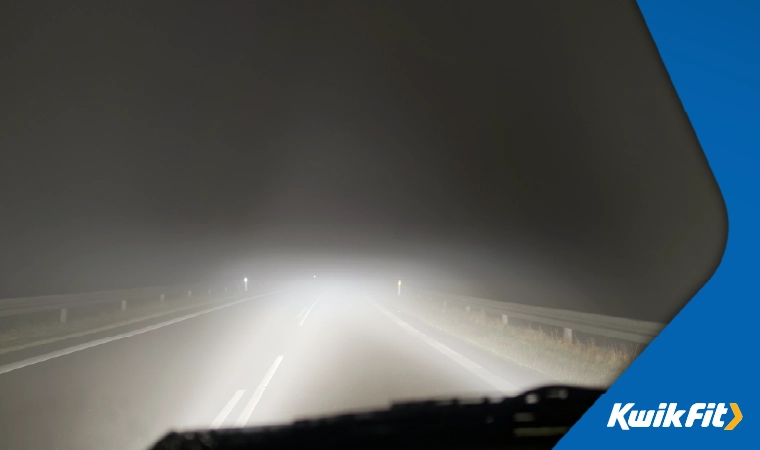
- Use fog lights only when visibility drops below 100 metres. Switch them off as soon as the visibility improves to avoid dazzling others.
- Use dipped headlights in foggy conditions, never full beam, as the light will reflect back and worsen visibility.
- Keep a safe distance, and stay well back from any other vehicles.
- Only drive at a speed that allows you to stop well within the distance you can clearly see ahead. This is especially crucial on faster roads, like dual carriageways or motorways.
- Check your mirrors before slowing down, and apply brakes gently to warn vehicles behind.
- Use windscreen wipers and demisters to maintain maximum visibility.
- Watch for other drivers who may not be using their lights properly.
- Don’t accelerate away from a tailgating vehicle in fog; increase your gap ahead and maintain a steady speed.
- At junctions with limited visibility, stop, listen carefully, and emerge confidently but cautiously when it’s safe to do so.
Did you know? Most modern vehicles display a warning icon when your fog lights are on. Always check your dashboard and remember to turn them off when they’re no longer needed.
What is the most common mistake while driving in fog?
Driving too fast for the conditions is by far the most frequent and dangerous mistake. Even if you're within the legal limit, it may not be safe.
Other mistakes include:
- Not using fog lights properly.
- Tailgating in an attempt to follow other vehicles.
- Sudden braking or swerving due to poor visibility.
If you feel pressured by other drivers behind you, resist the urge to speed up. Safety always comes first.
How much of a gap should you leave on foggy roads?
Stopping distances change depending on the weather. In clear conditions, the recommended gap is two seconds. In fog? At least four seconds, if not more.
To judge this:
- Pick a fixed object ahead (e.g., a signpost).
- Start counting as the car in front passes it.
- You should pass it no sooner than four seconds later.
Following this advice should give you crucial reaction time if the car in front suddenly needs to brake.
How to prepare your vehicle for fog
Getting your car ready for winter in general is a good idea, as it will make sure you’re prepared for any foggy weather. Here are a few basic checks:
- Fog lights: Test the front and rear fog lights to ensure they are working.
- Brakes: Responsive braking is vital in low visibility.
- Wipers & washers: Make sure they’re functioning and fluid is topped up.
- Tyres: Adequate tread and pressure improve grip and stopping power.
Why not book a service at Kwik Fit to make sure your vehicle is road-ready for any weather, including fog?
What to do if fog gets too thick to drive safely
If you can no longer see the road clearly:
- Pull over completely, preferably into a safe lay-by or service area.
- Use hazard lights if you’re stationary and posing a risk.
- Wait it out until visibility improves. Don’t ever push on if it feels unsafe.
Fog doesn't have to be frightening
Now that you’ve read this guide, you’re better prepared to tackle foggy conditions with confidence. By following the rules of the road, keeping your vehicle in tip-top condition, and adapting your driving style, you’ll be well-equipped to stay safe on even the murkiest mornings.
If it’s been a while since your last service, or if you want peace of mind this winter, why not contact the experts and book your car in for a check at your local Kwik Fit centre?


Any facts, figures and prices shown in our blog articles are correct at time of publication.
Featured Articles
Is it Illegal to Drive With One Headlight?
Saturday 19th July 2025
Wondering if it’s illegal to drive with one headlight? Learn about the safety risks and penalties of illegal blown bulbs and why you should fix them promptly.
Air Con in EVs & Hybrids: Experts Answer Your Questions
Monday 30th June 2025
Does air con drain EV batteries? Can you use the air con while charging an electric car? Find out the answers to these questions & more from Kwik Fit’s experts.
Why Is Your Car Making a Noise? Fixes & Tips
Friday 13th June 2025

When your car starts making unexpected noises, it can certainly be quite disconcerting; it may be nothing to worry about, but here’s what you need to know.