
How To Spend Less Money On Fuel
Kwik Fit | Saturday 15th March 2025 3:49pm
If you find yourself grimacing every time you fill up your car, you wouldn’t be alone. Both petrol and diesel prices remain high in the UK, much to the distress of many drivers trying to make ends meet.
According to the RAC’s Fuel Watch, unleaded petrol is currently at 138.98 pence per litre, while diesel is sitting at 145.73 pence per litre. While fuel prices have been higher before (up to 185.06 pence per litre for petrol in 2023!), it looks as though they are on the rise again on account of a spike in oil prices.
Recent statistics show that petrol and diesel prices have risen by 5p and 6p per litre since the beginning of October 2024 respectively, with fueling up being nearly £3 more expensive per week in February 2025 compared to three months previously.
Taking that into account, it is increasingly difficult for drivers to keep their fuel costs low. So, if you’re looking to save money filling up your motor, use Kwik Fit’s tips below as a guide.
1. Keep on top of your tyre maintenance
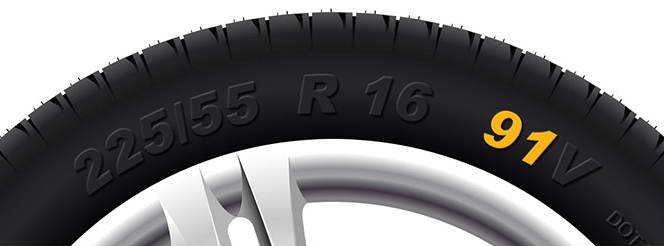
Starting off strong, one of the most important factors affecting your fuel costs is tyre health. This can be broken down into two sub-categories: tyre pressure and tyre age.
Tyre pressure & fuel
Firstly, if your tyres are not pumped up enough or have the incorrect air pressure, they can be reducing your fuel efficiency. Driving on under-inflated tyres creates more drag and sees your car in greater contact with the road surface, using more fuel to move the vehicle.
A study by the National Highway Traffic Safety Administration (NHTSA) in the USA found that the fuel economy of a vehicle decreased by 0.3% for every 1% decrease in tyre pressure. By that logic, if your car’s tyres are under-inflated by 10%, your fuel consumption technically increases by 2%. While those figures might seem small, they all add up over time if you consider monthly and annual mileage.
You can find out what the correct pressure for your car’s tyres should be in your owner’s manual — and you should aim to maintain this pressure. Find out how to fill up your tyres correctly in another of our handy guides
Tyre age & fuel
Secondly, how old your tyres are can affect how much you’re spending on fuel month on month. As we mentioned in our spotlight on fuel efficiency, tyres count for almost 20% of your fuel consumption - and older tyres are far less efficient and reliable.
All EU tyres produced after 2021 will have a label ranking them on efficiency from A (the best) to E (the worst). Newer tyres are much more likely to not only be safer, but have a greater efficiency rating too.
2. Driving habits
The way in which you drive has significant implications on the amount you spend on fuel each month. So, there are a whole host of incremental improvements you can make to your driving style to shave off the pennies here and there.
Slow down
Speed is the most important factor affecting fuel consumption levels. If you were to slow down by just 5mph, your engine would use far less fuel. You’ll notice the biggest difference in fuel consumption when you’re travelling fast. The AA estimates that dropping from 80mph to 70mph on the motorway could cut fuel use by up to 25%. However, if you slow down from 70mph to 60mph on a smaller road, you’ll still use around 10% less fuel.
Keep moving
Sitting still and ‘engine idling’ can be your worst enemy when it comes to fuel conservation. We’re all guilty of it, idling while in queues of traffic or starting up the car and leaving it running on a chilly morning. However, not only is this bad for your wallet, but it’s bad for the planet, too. A stationary vehicle produces far more emissions than a vehicle in motion.
As a general rule of thumb, always switch the engine off if you are stationary - unless you have a more modern car that does this for you with stop-start technology.
Cut out short journeys
Wherever possible, leave your car at home. Shorter journeys are not great for fuel efficiency, so if you can walk or take the bus rather than drive, you’ll save on fuel. If you do have a few trips to make, consider planning a round trip rather than doing each at separate times.
Reduce sudden braking
Smart, safe, and sensible drivers will read the road ahead and anticipate any obstacles or changes that will mean they need to brake or accelerate.
This is not only good for safety, as the driver has the longest possible time to react, but it’s also good for fuel economy. If you can avoid sharp braking and harsh acceleration, you can save a small fortune on fuel costs. If you notice other cars braking ahead of you early enough, you can take your foot off the accelerator and slow down gradually rather than slamming on the brakes closer to the obstruction.
Make sure to always maintain a safe following distance, and give yourself plenty of clearance from the car in front. Look to the road ahead of you, as well as what’s immediately in front, checking for traffic lights, slowed or stopped traffic, and changes to the speed limit.
Get into a high gear quickly
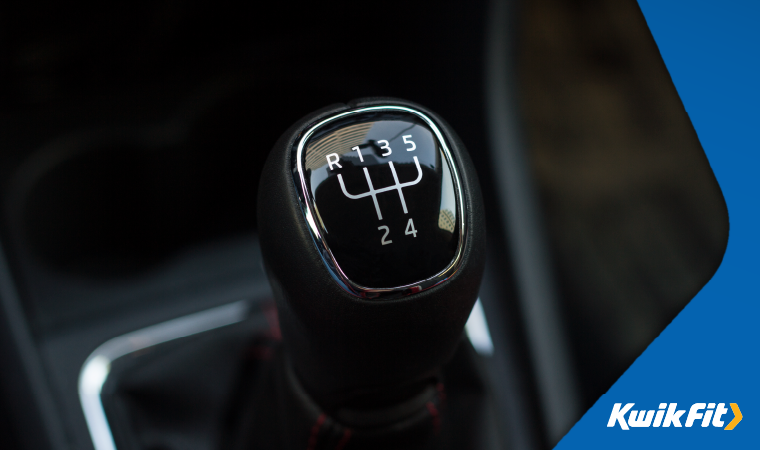
It’s a good idea to get into a higher gear as soon as you can, speed and speed limit permitting. If you rev the engine too much before moving into a higher gear (some drivers wait to hear the ‘cue’ of the engine labouring before changing gears), this is terrible for fuel consumption.
Make the most of momentum
Momentum is a fuel-saver’s best friend. With a few small changes to your driving habits, you can start making use of the natural momentum your car builds up as you drive. For example:
- Accelerating a little before reaching a hill, using the extra momentum to get you over the top without having to rev the engine hard (which destroys fuel economy).
- Easing off the accelerator when approaching traffic lights, rather than continuing to accelerate and braking when you get to the lights. You’ve built up the momentum, so make use of it rather than your fuel for these moments. They all add up.
3. General vehicle maintenance
Wheel alignment
Another major factor affecting how much you spend on fuel is wheel alignment. Without an annual wheel alignment check, your tyres may not wear evenly, causing them to wear down quicker, produce more drag and use more fuel. With the correct wheel alignment in place, thousands of miles can be added to your tyres’ lives!
Service your engine
Regular servicing keeps your car in good condition, extends its working life and optimises fuel efficiency too. Maintain your engine properly and double check in your vehicle handbook that you’re using the right engine oil.
4. Offload unnecessary weight
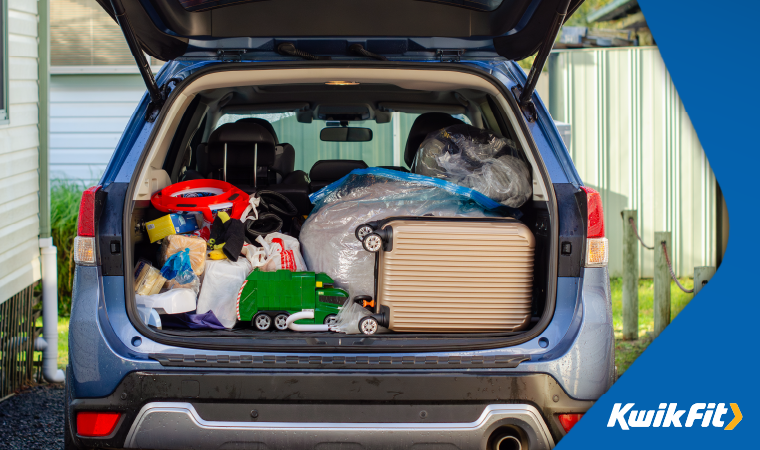
Shaving off the pounds on your vehicle also shaves off the pounds spent on fuel. If you find yourself always carrying heavy loads or unknowingly having a boot full of junk, sort it out.
Unnecessary items such as charity donations, tools, sports equipment, and things leftover from your holiday all count. According to Duncan McClure Fisher, CEO of MotorEasy, “an extra 50kg of weight in a vehicle reduces miles per gallon by up to 2%, so if you’ve got four sets of golf clubs in there, you’ll be paying around £10 extra per week for fuel.”
Roof racks also count. According to the Energy Saving Trust, a large roof rack can add up to 16% to a car’s fuel consumption (when driving at 75 mph), while a roof box adds a whopping 39%.
5. Fuelling habits
Your fuelling habits also have an impact on how fuel efficient your car is, especially the frequency at which you fuel up and how much you put in the tank each time.
Put a little less in the tank
A lot of money can be saved on fuel by just making a few simple changes to your filling-up habits.
Did you know that it is cheaper to half-fill your petrol tank every time? It’s true — your car weighs less when it is half full than with a full tank. So, by half-filling it every time, it is much more fuel efficient (though you will have to pop to the petrol station more often).
Tighten the lid
Another way to avoid fuel wastage is to tighten your petrol cap. Like most liquids, when petrol is too hot, it will evaporate. A loose petrol cap may see some fuel being lost, so stay vigilant with that one; every little helps!
Avoid premium pumps if possible
While, for some vehicles, premium petrol — that’s super unleaded — is a necessity, for many, it is just an optional extra aimed at improving engine health. This luxury, though, comes at a cost, since premium fuels are always more expensive.
Putting premium petrol in a regular car, however, has not actually been proven to heighten performance. So, if you’re looking to save money, steer clear of this option the next time you fill up. Find out more about the difference between premium fuels and regular fuels in another of our blogs.
6. Cut down on the luxuries
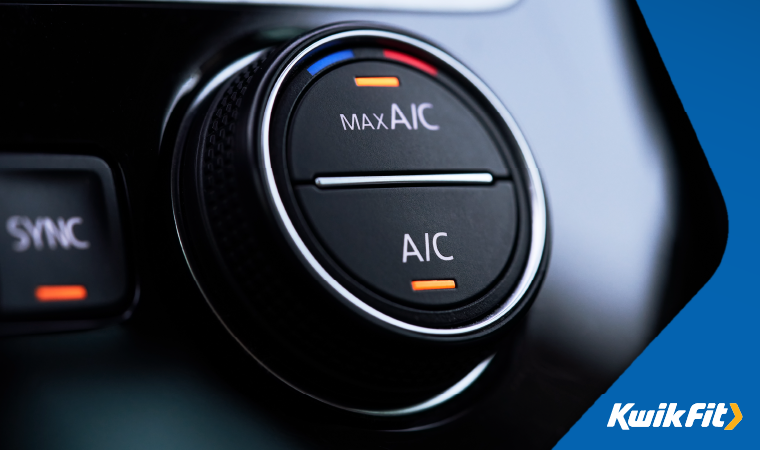
Luxury add-ons such as heated seats and air conditioning all play a part in how much fuel you use, as do headlights and de-misters.
According to Endsea, using air conditioning in a car consumes between 0.2 and a whole litre of fuel for every 60 miles travelled. That’s roughly £1.59! If you’re going at lower speeds of under 30 mph, it might be wise to just open the windows instead of relying on the air con.
So, ask yourself when driving: “Do I really need to put the air con on yet?” or “can I go without a heated seat?” and you’ll find your fuel going further before you know it. What’s more, look after these elements and keep them efficient so that, when you do need to use them, they run smoothly and aren’t wasteful. Book in for a free air conditioning health check with us today.
7. Consider going electric!
Ok, we know this one is a large step. But, if fuel prices continue to rise, you might like to join the electric car ‘revolution’ — especially if EVs begin to get more affordable. While the upfront costs are quite significant (especially when including the charging point), the running costs are surprisingly low.
So, many people are converting to electric cars for good reason: because they save on fuel.
Stay on top of your car maintenance with Kwik Fit
Lots of these fuel-saving tips revolve around keeping your vehicle, and its components, in a good, road-worthy condition — and this has never been easier than with Kwik Fit’s variety of services and free health and safety checks.
So, if you’re concerned that the condition of your vehicle’s tyres, wheel alignment, or other parts might be costing you more for fuel, contact your local Kwik Fit centre today.


Any facts, figures and prices shown in our blog articles are correct at time of publication.
Featured Articles
Is it Illegal to Drive With One Headlight?
Saturday 19th July 2025
Wondering if it’s illegal to drive with one headlight? Learn about the safety risks and penalties of illegal blown bulbs and why you should fix them promptly.
Air Con in EVs & Hybrids: Experts Answer Your Questions
Monday 30th June 2025
Does air con drain EV batteries? Can you use the air con while charging an electric car? Find out the answers to these questions & more from Kwik Fit’s experts.
Why Is Your Car Making a Noise? Fixes & Tips
Friday 13th June 2025

When your car starts making unexpected noises, it can certainly be quite disconcerting; it may be nothing to worry about, but here’s what you need to know.