
Is The Future Electric For UK Van Drivers?
Jessica Bird | Saturday 10th October 2026 9:10am
As diesel prices rise and government net-zero initiatives continue to attract motorists, more and more van drivers are making the switch to electric alternatives (ZEGVs).
ZEGV stands for Zero Emission Goods Vehicle and refers to a commercial vehicle (“Category N”, like a van, lorry, or truck) that is either fully electric or hydrogen-powered.
As electric commercial vehicles rise in popularity, could the diesel van have had its heyday once and for all?
Are electric vans getting more popular in the UK?
In short, yes; the ZEGV market is growing rapidly in the UK - but still not as fast as government targets would like.
- Between January and June 2024, 4.7% of new vans sold in the UK were battery electric.
- By September 2026, the market share of electric vans was 9.6%, with a record 4,832 units sold.
- Manufacturers are investing to drive further demand for these vehicles, and there are now over 40 different battery electric van models available to drivers.
For fleet operators, the wider range of choices on the market, plus support like the Plug-in Van Grant (more on this later), means switching to electric is easier than ever.
Searches for “Electric Vans” Up 500%
Public demand and search interest for ZEVs are also rising in line with sales and manufacturer investment.
Google Trends data shows that searches for “electric vans” in 2026 were up 150% on 2025 levels. Similarly, searches for the term “electric fleet” have risen by 500% over the past 5 years.
What this shows is a growing number of drivers looking for material online about ZEGVs, potentially to inform their decision to switch from diesel to electric alternatives. It’s not surprising that searches for “diesel vs electric” are up 400% over the past 5 years, peaking in March 2026.
Government electric van targets
However, regardless of the growth in demand and sales for ZEGVs, government targets remain much higher than the market reality.
After the UK committed to meeting net-zero greenhouse gas emissions by 2050, it began rolling out schemes like the ZEV (zero-emission vehicle) mandate in 2024.
This mandate aims for all new vehicles sold in Great Britain to be zero-emission by 2035. By 2030, the target is for 70% of new vans sold to be ZEGV.
This coincides with the ban on the sale of new diesel cars by 2030, another factor likely feeding into the public’s gradual slide towards electric vehicles.
UK government backing for electric vans
Although the government’s 2030 ZEGV targets are high, it is taking steps to make it easier for fleet operators and drivers of commercial vehicles to switch from diesel to electric, namely in the form of the Plug-In Van Grant.
The Plug-In Van Grant
- This grant (actually called the ‘Zero Emissions Van Grant’) aims to reduce the upfront cost of buying a new EV.
- It offers drivers a helpful payment of £2,500 to purchase a small van and £5,000 for a large van.
- It also offers £350 off the cost of homeplace charging points for drivers who live in flats
- In order to get the funding, the van you purchase has to be fully electric and meet certain range and weight requirements.
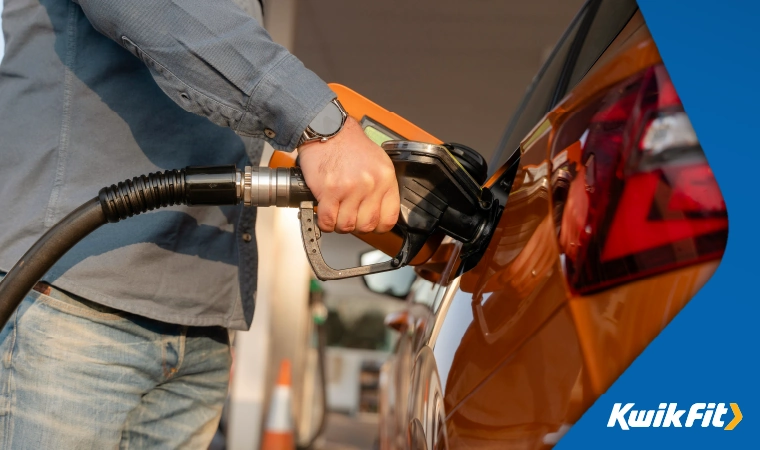
Rising diesel prices push more van drivers towards electric models
If the Plug-In Van Grant is a pull factor, then rising diesel prices are definitely a push factor, encouraging even more van drivers to switch.
As of the 6th October 2026, the average price of diesel was over £2 in the UK. This surge in price can be attributed to geopolitical factors, namely the Iran war disrupting the transport and production of wholesale oil.
As a result of these price surges, many diesel van drivers are beginning to consider electric alternatives:
- A study by Volkswagen Commercial Vehicles found that nearly 60% of van drivers said the cost of diesel fuel was a leading factor in making them consider battery-powered vans instead.
- Industry estimates also suggest that charging a ZEGV instead of filling a diesel van would save 87% or over £2,400 annually.
A saving of that size plus the £2,000 - £5,000 supplement from the Plug-In Van Grant provides plenty of reason to at least consider switching.
The lead-up to the 2030 and 2035 zero-emission vehicle mandate targets, respectively, will no doubt cause further changes as yet more van drivers consider their options. Until then, we’ll be tracking motoring trends as they develop.
Look after your van with Kwik Fit
Whether you’ve made the switch to a ZEGV or are still running your trusty diesel van, you can rely on Kwik Fit for servicing, tyres, MOTs, and more.
Worried about your van? Contact your local Kwik Fit today or book a free vehicle safety check.
And for the latest updates from the EV, fleet, and motoring world, be sure to keep up with our blog.


Any facts, figures and prices shown in our blog articles are correct at time of publication.
Featured Articles
Is it Illegal to Drive With One Headlight?
Saturday 19th July 2025
Wondering if it’s illegal to drive with one headlight? Learn about the safety risks and penalties of illegal blown bulbs and why you should fix them promptly.
Air Con in EVs & Hybrids: Experts Answer Your Questions
Monday 30th June 2025
Does air con drain EV batteries? Can you use the air con while charging an electric car? Find out the answers to these questions & more from Kwik Fit’s experts.
Why Is Your Car Making a Noise? Fixes & Tips
Friday 13th June 2025

When your car starts making unexpected noises, it can certainly be quite disconcerting; it may be nothing to worry about, but here’s what you need to know.