
Top Tips for Driving Safely in Traffic
Jessica Bird | Saturday 1st November 2025 8:30am
Whether you’re a new driver or have decades of experience, driving in traffic can test anyone’s patience. With busier roads, unpredictable weather, and more distractions than ever, it’s easy for frustration to creep in.
That’s why, ahead of Road Safety Week, Kwik Fit is reminding motorists to focus on the small habits that make a big difference. From planning your journey to keeping your car roadworthy, these simple steps help you stay calm, confident, and safe, no matter how heavy the traffic gets.
1. Plan your journey before you set off
Good preparation is the foundation of safe driving. Before you leave, take a moment to check your route and the latest traffic updates.
Navigation apps and devices like Google Maps, Waze, and Tom Tom GO all provide real-time alerts for congestion, accidents, and road closures, especially good if you live around some of the busiest roads in the UK. If possible, plan an alternative route, or adjust your departure time to avoid the rush.
It’s also wise to check your vehicle before longer journeys; including tyre pressure, oil levels, and windscreen washer fluid. A quick five-minute check can prevent bigger problems later.
2. Stay calm and patient behind the wheel
Few driving environments are as stressful as stop-start traffic. When progress feels slow, it’s easy to lose patience, but keeping calm is crucial for safety.
Aggressive manoeuvres like tailgating or weaving between lanes won’t get you there faster, and they raise the risk of collisions. Instead:
- Take deep breaths, and maintain steady breathing.
- Listen to relaxing music, a podcast, or make a playlist you’ll enjoy before you set off on your journey.
- If you’re feeling tense, pull over at a safe spot, like a motorway service station, for a short break.
Remember: getting frustrated and angry never helps traffic move faster. Patience always keeps you safer.
3. Stick to safe following distances
Tailgating is one of the biggest causes of accidents in slow or heavy traffic. Always keep enough distance from the car ahead, so you can stop safely if it brakes suddenly.
A simple rule: follow the two-second gap in dry conditions, double it in wet weather or icy conditions.
At 20 mph, you’ll need about 12 metres to stop; at 70 mph, nearly 100 metres. If visibility is poor or roads are slick, extend that distance even further.
Modern assistance systems, such as adaptive cruise control, can help maintain spacing, but they don’t replace attentive driving.
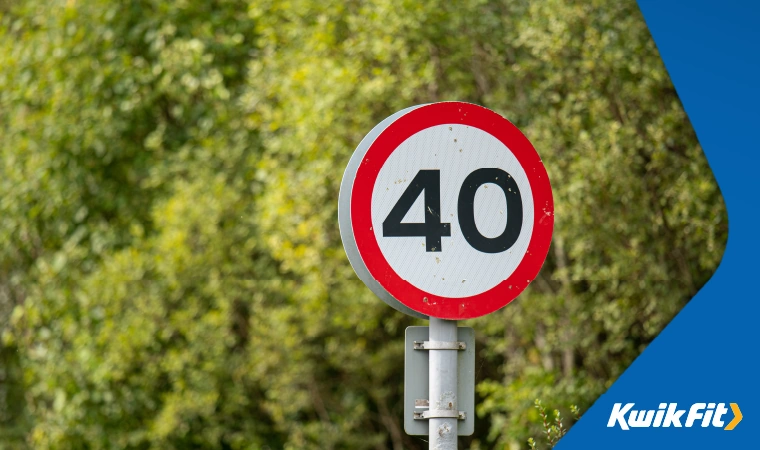
4. Observe speed limits and traffic flow
Speeding remains a leading cause of serious road accidents. According to ROSPA, excessive speed contributed to around a quarter of UK fatal crashes in recent years.
Even small increases above the limit can make a big difference to stopping distance and reaction time. Adjust your speed for:
If you’re on a motorway, watch for variable speed limit signs; they’re designed to ease congestion and reduce sudden braking.
5. Mirror, signal, manoeuvre, and stay aware
Every driver learns Mirror, Signal, Manoeuvre (MSM) early on, but it’s worth reinforcing. In traffic, hazards can develop fast, so make the MSM routine second nature.
- Check mirrors before changing lanes or slowing down.
- Signal clearly and in good time.
- Only move once you’re sure the lane or junction is clear.
Modern cars now assist with features like blind-spot monitoring and lane-keeping alerts, but nothing replaces a good manual check. Staying alert to cyclists, motorbikes, and pedestrians helps prevent near-misses in congested areas.
6. Keep left and maintain lane discipline
If you’re driving on dual carriageways or motorways, remember to keep left unless overtaking. Middle-lane or right-lane “hogging” slows traffic and frustrates other drivers.
Once you’ve overtaken safely, move back into the left-hand lane to maintain smooth flow.
This simple act of lane discipline helps everyone on the road, and it’s part of being a considerate, defensive driver.
7. Limit distractions and stay focused
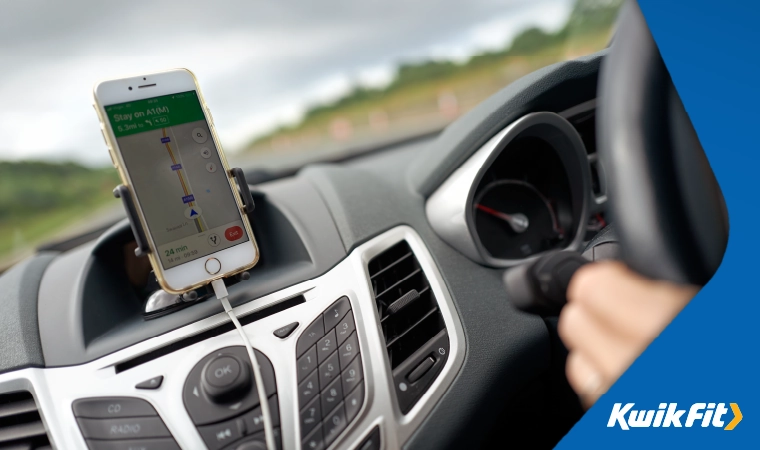
Mobile phones, dashboard screens, and in-car tech are among the biggest modern distractions. The law is clear: it’s illegal to use a handheld mobile device while driving, even at traffic lights or in queues.
If caught, you could face a £200 fine and six penalty points.
Set your sat-nav, playlist, or hands-free system before setting off, and use “Do Not Disturb” mode to silence notifications. Your focus should always be on the road ahead.
Keep your vehicle roadworthy and drive smarter
Safe driving depends on a safe car. Regular maintenance checks reduce the risk of breakdowns or mechanical failures, especially when you’re stuck in stop-start traffic.
Make sure to:
- Inspect tyres for wear and correct pressure with a free tyre check.
- Test brakes, lights, and wipers frequently.
- Keep fluids topped up, and your MOT up to date.
Driving safely in traffic isn’t about getting from A to B faster; it’s about staying aware, anticipating movement, and keeping calm under pressure. A combination of smart planning, steady driving, and regular vehicle checks helps you avoid unnecessary risks and arrive safely every time.
If you’re unsure, book a service with your local Kwik Fit centre. Our technicians are here to help you drive confidently, whatever the conditions.


Any facts, figures and prices shown in our blog articles are correct at time of publication.
Featured Articles
Is it Illegal to Drive With One Headlight?
Saturday 19th July 2025
Wondering if it’s illegal to drive with one headlight? Learn about the safety risks and penalties of illegal blown bulbs and why you should fix them promptly.
Air Con in EVs & Hybrids: Experts Answer Your Questions
Monday 30th June 2025
Does air con drain EV batteries? Can you use the air con while charging an electric car? Find out the answers to these questions & more from Kwik Fit’s experts.
Why Is Your Car Making a Noise? Fixes & Tips
Friday 13th June 2025

When your car starts making unexpected noises, it can certainly be quite disconcerting; it may be nothing to worry about, but here’s what you need to know.