
Ways You Could Be Harming Your Car’s Resale Value
Jessica Bird | Thursday 18th June 2026 12:17pm
Car depreciation is the rate at which your car loses value over time. It happens to every car, but it’s usually steepest (and feels sharpest) when a car is new. In fact, a new car can lose a large chunk of its value in the first year alone, and by year three, the average car may have lost around 50–60% of its original value - depending on the make, model, mileage, condition, and demand.
The good news is that depreciation isn’t completely out of your hands – especially if you plan for it. The way you drive, how well you look after your car, and even the car you choose in the first place can all make a difference.
So, whether you’re thinking about selling soon or you just want to protect your investment for the long run, here are some simple ways to help minimise car depreciation.
Keep an eye on your mileage
Mileage is one of the first things buyers look at. As a general rule, the more miles a car has done, the less it’s likely to be worth. That doesn’t mean you should stop using your car for the journeys you need to make, but it’s worth being mindful of unnecessary trips.
For shorter journeys, consider whether you could walk, cycle, or take public transport instead. Even something like a park and ride could help keep a few miles off the clock while saving you the headache of city-centre parking. You’ll also use less fuel, and reduce wear on things like tyres, brakes and the clutch.
That said, long-distance driving isn’t automatically bad for a car, especially if it’s mostly steady motorway trips, but a very high mileage figure can still put some buyers off; it’s natural to assume that more mileage equals more wear. If you’re planning to sell in the next couple of years, keeping mileage sensible can help your car stay more attractive.
Don’t skip servicing and maintenance
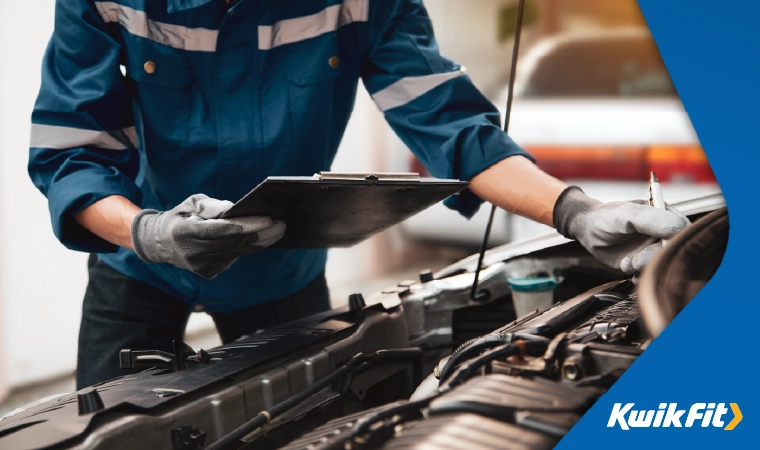
MOTs are a legal requirement for most cars once they’re three years old, and they check whether your vehicle meets road safety and environmental standards. After that, you’ll need an MOT every year.
But an MOT isn’t the same as a service. An MOT checks whether your car is roadworthy on the day of the test. A service helps keep the car running properly, by checking and replacing key parts and fluids before small issues turn into more expensive problems.
A good service history can make a real difference when it’s time to sell. A good, consistent service history is often much more attractive for buyers than a low mileage. That’s because buyers tend to feel more confident when they can see that a car has been looked after, especially if it’s been serviced at the right intervals. On the other hand, large gaps in the service history can raise questions, even if the car seems fine during a test drive.
Regular servicing can also help protect major components like the engine, brakes, suspension, and transmission. These are the kinds of repairs that can quickly become expensive, and a car with unresolved mechanical issues is unlikely to hold its value well.
Keep your paperwork together
It’s easy to forget about paperwork until you need it, but a tidy folder of records can really help. Keep hold of service invoices, MOT certificates, repair receipts, tyre replacement records, and any warranty documents.
Buyers want reassurance. If you can show that your car has had regular oil changes, new tyres when needed, brake work carried out properly, and any repairs done professionally, that tells a good story. A well-documented car feels like a safer purchase.
Avoid bad driving habits
Some driving habits might seem harmless, but over time they can cause wear and tear that affects your car’s condition and value.
Running the fuel tank very low too often, for example, isn’t a great idea. It can increase the chance of debris from the bottom of the tank being sucked up and through the fuel system, which may be ok if fuel filters catch the debris, but could also lead to a lot of headaches. Resting your foot on the clutch can also cause unnecessary wear over time, especially in stop-start traffic. This is because even slight pressure on the clutch pedal makes the clutch slightly disengage (and therefore wear down through friction).
Additionally, harsh braking, heavy acceleration, clipping kerbs, and taking speed bumps too quickly can all put extra strain on the car. You might not notice the impact straight away – but, over months or years, it can show up in worn tyres, tired suspension, damaged wheels, or generally uneven braking.
A smoother driving style is always better for your car, better for fuel economy, and better for the future buyer who’ll be checking for signs of hard use.
Look after your car’s interior as well as its exterior
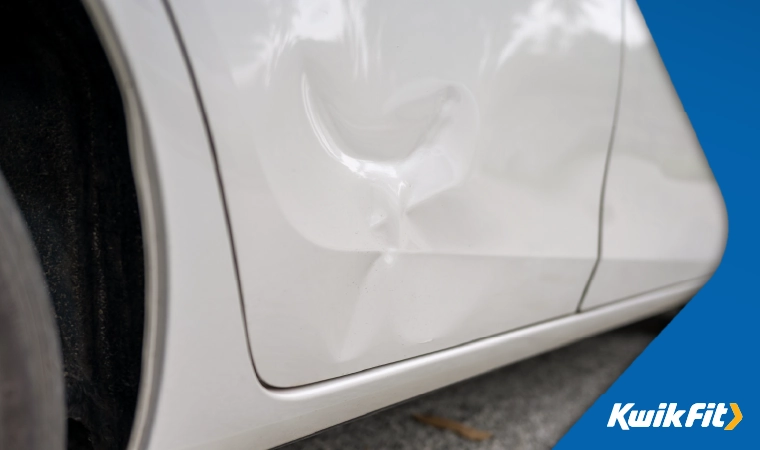
While this is largely an aesthetic point, a car’s condition matters inside and out. A buyer is (even subconsciously) looking at all aspects of the car to determine whether it’s been looked after properly or not. So scratches, dents, stains, and smells can all reduce appeal when it’s time to sell.
Try to clean your car regularly, especially during winter when road salt can build up on the bodywork and underneath the vehicle. Washing it often helps protect the paintwork, while waxing occasionally can add an extra layer of protection.
Inside, it’s worth vacuuming regularly, wiping down surfaces and dealing with spills quickly. If you have children, pets, or muddy sports gear in the car, seat covers and boot liners are usually a smart move.
If you smoke, it’s best not to smoke in the car. Smoke smells can linger in the upholstery and air vents, and many buyers will either walk away or expect a lower price.
Think carefully before modifying your car
Personal touches might make a car feel more “you”, but they won’t always help when it’s time to sell. Big spoilers, loud exhausts, lowered suspension, unusual wraps, or major audio upgrades can narrow your pool of buyers quite significantly.
Practical upgrades, like quality tyres or approved accessories, can be fine. But anything that makes the car look heavily customised may make buyers wonder how it’s been driven, or whether it’ll cost more to insure.
Choose the right car in the first place
One of the biggest depreciation decisions happens before you even buy the car. Some makes and models hold their value better than others, while new cars usually lose value fastest in the early years. So rather than buying a car straight off the factory floor, a nearly new or used car can often make more financial sense.
It’s also worth thinking about colour, trim level, fuel type, running costs, and general demand. A practical, popular model in a widely-liked colour is usually easier to sell than something very niche. That doesn’t mean you can’t buy the car you love, but it’s worth balancing personal taste with future resale appeal.
Protecting your car’s value starts with everyday care
You can’t stop depreciation altogether, but you can slow down the things that make it worse. Keep mileage sensible, stay on top of servicing, drive smoothly, look after the interior and exterior, and keep your paperwork organised.
A car that looks cared for, drives well and has a clear maintenance history will always have a better chance of holding its value than one that’s been neglected.
For help keeping your car in great condition, from servicing and MOTs to tyres, brakes, and repairs, the experts at your local Kwik Fit centre are always on hand to help.


Any facts, figures and prices shown in our blog articles are correct at time of publication.
Featured Articles
Is it Illegal to Drive With One Headlight?
Saturday 19th July 2025
Wondering if it’s illegal to drive with one headlight? Learn about the safety risks and penalties of illegal blown bulbs and why you should fix them promptly.
Air Con in EVs & Hybrids: Experts Answer Your Questions
Monday 30th June 2025
Does air con drain EV batteries? Can you use the air con while charging an electric car? Find out the answers to these questions & more from Kwik Fit’s experts.
Why Is Your Car Making a Noise? Fixes & Tips
Friday 13th June 2025
When your car starts making unexpected noises, it can certainly be quite disconcerting; it may be nothing to worry about, but here’s what you need to know.