
What to Do if You Don't Have a Spare Wheel
Jessica Bird | Tuesday 7th October 2025 12:00pm

Picking up a puncture on the way to work (or on any journey, for that matter) puts a lot of stress on the day – especially if you’re already running late! But worse still, you may have pulled over at a safe place, rummaged through your boot, and found that there’s no spare tyre for you to swap out.
If your tyre is flat, it’s not safe for you to continue to drive on it, as your car won’t be able to brake and accelerate accurately. Moreover, if the tyre is completely flat, you’re also likely to damage the rim of your wheel and have to fork out a great deal more money for repairs.
So what options do you have left? You don’t necessarily have to call for breakdown assistance immediately – let’s look at what you can do if you don’t have a spare wheel.
Assess whether you should have a spare wheel
The first and most important thing to establish is whether your car should have a spare wheel. While it’s not against the law to drive without a spare wheel on board, and it certainly won’t fail your next MOT test to turn up without one, it’ll give you an indication of whether your car’s likely to be carrying any other form of tyre puncture remedy.
Why do cars no longer carry spares?
In a bid to save space, lower weight, and improve fuel economy, many modern cars are now shipping without spare tyres - but with tyre puncture repair kits. Previously, space saver wheels were practically standard on cars throughout the 1970s to the late 2000s and enabled drivers to quickly swap out a wheel and get to a repair centre as soon as possible.
Most usually, space savers are kept in a fitted recess under the boot and accessed from within the boot. So if you’ve emptied your boot, found that there is a space for a space-saver but no wheel, then you may unfortunately be out of luck!
If you’re in luck, though, a tyre puncture repair kit is likely to be stowed in the same place a space-saver wheel would be, or in compartments to the left or right of the boot. This repair kit might come in the form of a foam filler kit – which is inserted via the tyre’s valve stem and hardens into a temporary fix – or as a rubber plug with a ream tool. The latter of these is less common because it’s quite difficult to get an acceptable seal using these at the roadside.
Call for breakdown assistance
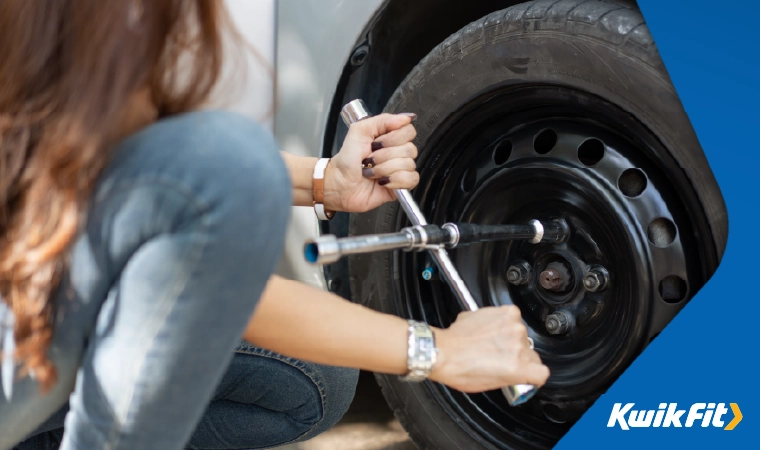
With all the options exhausted, the only one you’re left with is to call for roadside assistance. If you’re in a suitable space, a technician can either repair your tyre in situ or tow your vehicle to a local repair centre.
Do you legally need a spare wheel?
As mentioned earlier, there’s no legal requirement in the UK for motorists to carry a spare wheel or tyre. That might come as a surprise, especially if you’ve always assumed it was a standard piece of kit. What is a legal requirement, however, is that any tyre you do use must be roadworthy.
This means it needs to meet the minimum tread depth of 1.6mm across the central three-quarters of the tyre, and be free from cuts, bulges, or other damage that could compromise safety. So, while you don’t need to carry a spare, it’s still worth considering how you’d get moving again if you did suffer a puncture.
Do you have run flats fitted?
If there’s neither a spare wheel nor a repair kit, the next thing to establish is whether you actually need a spare wheel. Your car may be fitted with tyres called “Run Flat” tyres. These are designed, usually by premium manufacturers, with reinforced sidewalls that let drivers continue driving slowly for up to 50 miles.
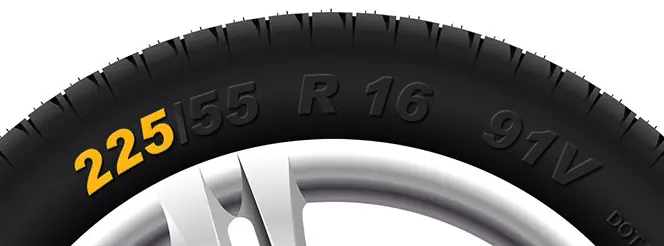
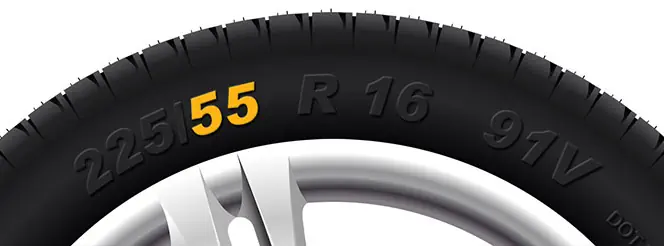
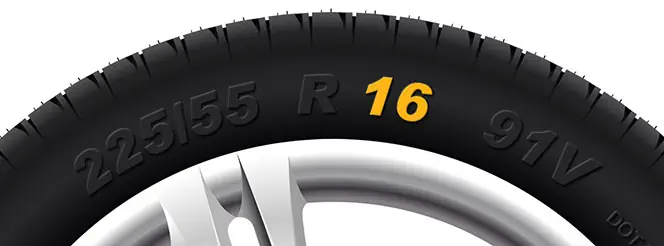
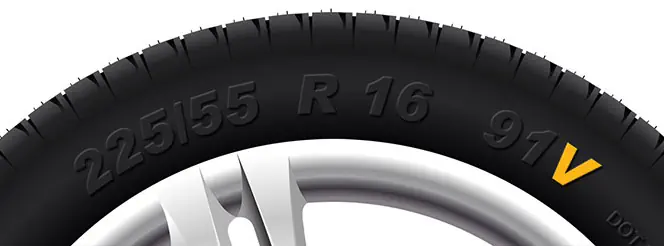
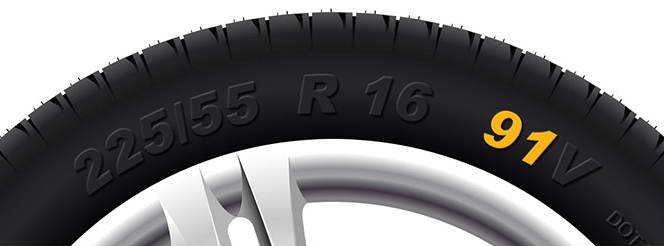
Exactly how each manufacturer labels a tyre as “run flat” varies, but look on your tyres’ sidewalls for markings like ROF (“Run on Flat”), EMT (“Extended Mobility Technology”), or ZP/ZPS (“Zero Pressure” or “Zero Pressure System”).
These tyres will let you drive far enough to reach assistance, but you should be aware that you shouldn’t drive faster than 50mph for more than 50 miles as this can make the tyres unsafe. The speed limit can even be lower on some models, so be sure before you get back to driving.
If you have a run flat tyre fitted, you’ll also notice that it’s not flat all the way – assuming you don’t just have a slow-puncture.
Can a car fail an MOT if it doesn't have a space saver?
No, your car will not fail its MOT if it doesn’t have a spare wheel. This is because MOT testers only inspect the tyres that are actually fitted to the vehicle at the time of the test.
If you do carry a spare and it’s in poor condition, it won’t be checked as part of the MOT, but you could be advised to replace it. A damaged or bald spare is likely to cause issues if you were to fit it in an emergency, so it’s still a good idea to make sure any spare you carry is safe and legal.
Which are the best wheels to replace a spare?
If you’re not fitting run flats and would rather continue to carry a space saver wheel, it’s worth opting for space savers that are affordable and perform well. We’re always looking for ways to improve performance and reliability without breaking the bank, which is why we stock Road Hero space savers – because we know we can trust them. But, if you choose to opt for them, they also come with comprehensive kits that contain everything you need to change a wheel! Learn more about Road Hero kits here.
Stay on top of your tyre condition
While punctures can happen to the best tyres at the worst of times, the best way to keep nasty surprises to a minimum is to get regular checkups and servicing from the dependable experts at your local Kwik Fit centre – why not even combine a full service with an MOT?


Any facts, figures and prices shown in our blog articles are correct at time of publication.
Featured Articles
Is it Illegal to Drive With One Headlight?
Saturday 19th July 2025
Wondering if it’s illegal to drive with one headlight? Learn about the safety risks and penalties of illegal blown bulbs and why you should fix them promptly.
Air Con in EVs & Hybrids: Experts Answer Your Questions
Monday 30th June 2025
Does air con drain EV batteries? Can you use the air con while charging an electric car? Find out the answers to these questions & more from Kwik Fit’s experts.
Why Is Your Car Making a Noise? Fixes & Tips
Friday 13th June 2025

When your car starts making unexpected noises, it can certainly be quite disconcerting; it may be nothing to worry about, but here’s what you need to know.