
Why Has My Car Insurance Gone Up?
Jessica Bird | Sunday 8th February 2026 9:38am
Has the cost of insuring your car increased since last year? Does it feel as though you’re forking out more to keep your wheels protected recently?
From inflation and rising repair costs to your age and marital status, there’s a long list of factors that may explain why your premium’s gone up.
Read on for a full list of reasons and detailed explanations to help clarify your car insurance costs once and for all.
Is car insurance getting more or less expensive
Firstly, is car insurance in the UK actually going up?
According to Confused.com’s car insurance prices report, car insurance cost drivers an average of £735 per year (as of September 2025), making it the lowest it’s been in 2 years.
However, while premiums have decreased since the start of 2024, they are still 25% more expensive than they were three years ago.
So, while average car insurance costs are on the decline, they’re still relatively high given the figures over the past five years.
Car insurance prices explained
While car insurance prices are falling as a wider trend, it may not feel like that to everyone. In fact, it’s common for many motorists to experience price increases when renewing.
Confused.com’s study also revealed that 42% of drivers who renewed their car insurance saw an average increase of £81. But why the disparity?
1. Repair costs have risen
Due to general inflation, the cost of materials, energy, and labour (all essentials for car repair) has increased dramatically in recent years. But there are also a number of other influencing factors:
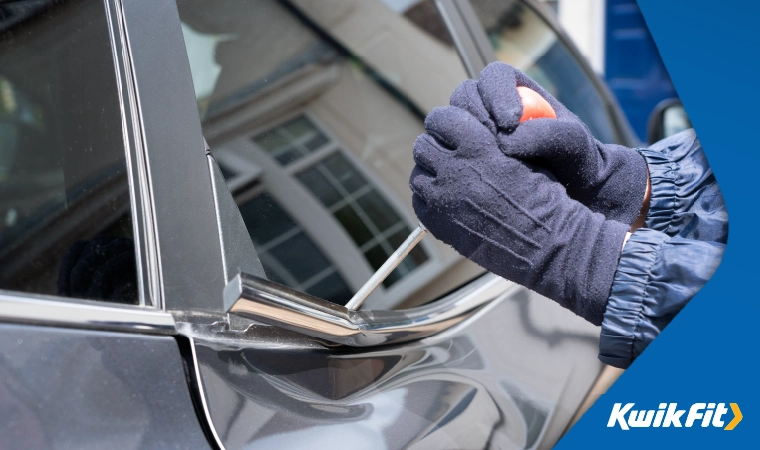
- Car theft is on the rise, with a nationwide average increase of 8% increase since 2019. This is without mentioning individual parts like catalytic converter theft. This has a knock-on effect for insurers, who are having to cover replacement costs and potentially courtesy cars more and more.
- Repair costs are also pushed higher by the increasing sophistication of new cars. Since there are more technological features, sensors, and integrated systems, repairs are more time-consuming and complex than ever before.
- Electric vehicles play their role too, with recent studies showing that EVs can be up to 50% more experience than ICE cars (regular petrol or diesel) to fix.
Taking all those factors into account, insurers have much higher sums to pay when covering the cost of repairing modern cars now, part of which is often offset by increasing customer premiums.
2. Changes to compensation payouts
The cost of your insurance is not calculated in isolation. For insurers, the total “income” from combined premiums must cover the costs of every single claim made in order to at least break even. Under that model, price increases can affect everyone, even those who haven’t personally claimed recently - or at all.
3. Insurance Premium Tax increased
Car insurance inflation can (and does) rise at a different rate than general inflation, due to many of the combined factors above.
IPT (or ‘Insurance Premium Tax’) is a tax that applies to all general insurance products, like home or motor insurance. For a long time, the rate of IPT was 6% with slight, gradual increases. However, as of 1st June 2017, the rate has been 12%, without plans for a decrease.
IPT is always calculated as a percentage of the insurance premium, and is included in the total price paid by motorists. So, while you might not pay a separate IT tariff, the increased rate will make your total bill higher.
Why your individual car insurance might be going up
Aside from national trends, there are also specific geographic and demographic factors that feed into determining your premium price.
Here’s a summary. Click on each to navigate to the relevant section, or keep scrolling to read them all in order.
| Driving and claims record | Age | Location | Car model |
| Milage annually | Types of coverage | NCD (No Claims Discount) | Job title |
| Your marital status | Modifications |
Driving and claims record
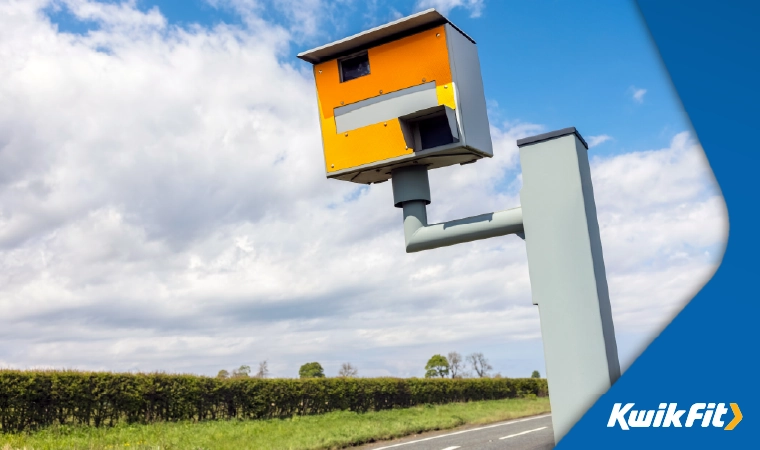
A clean driving record without speeding fines or points usually means lower premiums. Insurers take into account your driving history (looking at convictions, claims, and accidents) to assess how “risky” you are as a driver. When it comes to keeping insurance costs low, having no claims is very helpful.
Age
Age is arguably one of the most significant factors in determining the cost of car insurance. Younger drivers and elderly motorists typically have to pay more annually, as they pose a greater risk to other road users - and the stats back this up.
- Road safety charity, Brake, has found that car accidents are the main cause of death among 15–29-year-olds globally, citing brain development, over-confidence, and poor assessment of hazards as reasons why.
- Recent stats show that 21.6% of new drivers are involved in an accident during their first year of driving.
- When considering how drivers aged 17-24 account for just 7% of all full licence holders in the UK, but represent a significant proportion of fatal and serious car crashes, it's clear why insurance costs are higher for this group.
Location
If you live in a city or urban area, you are statistically more likely to have an accident, due to the greater volume of vehicles in that area. Areas with higher crime rates often see higher premium averages, too, as insurers anticipate needing to cover the costs of vandalism and car theft more often.
Lastly, it wouldn’t be the UK without the weather playing a role. Drivers living near flood-prone areas or on the coast may encounter higher premiums as a result of potential water damage.
Parking spot
Whether you park your car in a secure, locked garage, an off-street parking space like a driveway, or simply on the street has an impact on how vulnerable it is to crime, and therefore how costly it is to insure.
Car model
You can expect to pay more or less for insurance based on the type of car you own. Typically, higher-end, luxury cars cost more to insure due to their costly parts. Similarly, cars with larger engines and higher performance are also usually pricier to insure, as they’re associated with faster speeds - and the potential for more ‘reckless’ driving.
At the other end of the spectrum, models seen as “safer” (including cars fitted with certain safety features like immobilisers) are typically cheaper to insure.
Annual mileage
This one’s simple: the more miles you drive, the greater the likelihood of getting into an accident. Based on that logic, insurers generally charge more to insure cars with higher predicted annual mileage.
Type of coverage
As expected, the more comprehensive the cover you opt for, the greater the cost. In the UK, the legal minimum insurance type is Third Party Only (TPO). This type covers injuries or damage you caused to others, but not your own vehicle.
As such, many people opt for Third Party, Fire & Theft (TPFT), which includes TPO but also covers your car if it's stolen or burnt. Comprehensive is the most thorough type of insurance, covering damages to your vehicle (regardless of who’s at fault).
Job title
Occupations that require a lot of driving (like salespersons or delivery drivers) typically have to pay more for their premiums due to the increased likelihood of an accident (since they’re spending more time in the car).
What’s more, certain “high stress” positions, like senior roles, are occasionally deemed to be higher risk by insurers, so may incur greater costs.
Your marital status
Often, adding an additional named driver to your policy can bring down the cost of your premium.
- If your partner wants to drive your car, you can always add them as a named driver.
- In the eyes of insurers, this limits the amount of time one person spends behind the wheel, spreading the risk of accidents over multiple drivers - and therefore reducing the risk.
Occasionally, your insurance may go down if your partner has a strong no-claims history or is more experienced. That said, the opposite is also true: if they have a poor driving record, your insurance may go up if you car share.
Modifications
Not many drivers are aware that vehicle modifications can dramatically increase - or even invalidate - their car insurance.
Performance or appearance-related mods (like tinted windows or coloured headlights) can increase premiums, as well as things like in-car entertainment systems that are often stolen by opportunistic thieves.
Find out more about modifications that could send your insurance costs skyward.
Transparent car insurance from Kwik Fit
With fluctuating fuel prices and new taxes rolling out (especially for EV owners), many driving costs are becoming unpredictable and difficult to manage. At Kwik Fit, we believe that car insurance should be clear, simple, and dependable, with no sudden changes or nasty surprises.
Find out more about Kwik Fit’s car insurance today, or get in touch with our team to talk directly.


Any facts, figures and prices shown in our blog articles are correct at time of publication.
Featured Articles
Is it Illegal to Drive With One Headlight?
Saturday 19th July 2025
Wondering if it’s illegal to drive with one headlight? Learn about the safety risks and penalties of illegal blown bulbs and why you should fix them promptly.
Air Con in EVs & Hybrids: Experts Answer Your Questions
Monday 30th June 2025
Does air con drain EV batteries? Can you use the air con while charging an electric car? Find out the answers to these questions & more from Kwik Fit’s experts.
Why Is Your Car Making a Noise? Fixes & Tips
Friday 13th June 2025
When your car starts making unexpected noises, it can certainly be quite disconcerting; it may be nothing to worry about, but here’s what you need to know.