
Why Is My Bike Chain Rusty & Can I Still Use It?
Jessica Bird | Monday 19th October 2026 10:20am
You pull your bike out of the shed, look down and spot an unwelcome orange-brown coating across the chain. Maybe it appeared after a few wet rides, or perhaps the bike has simply been sitting unused for longer than planned.
The good news is that a little surface rust doesn’t automatically mean your chain is finished. What matters is how far the corrosion has progressed and whether the links still move freely.
Before you get back in the saddle, here’s how to work out whether your chain needs a clean, a little TLC, or replacing altogether.
Is it okay to ride with a rusty bike chain?
A few patches of surface rust don’t necessarily make a bike chain unsafe, but they’re a sign that it needs some attention.
Turn the pedals slowly and watch how the chain moves through the gears. If the links move freely and the rust is only sitting on the surface, there’s a good chance you can clean it up.
Think twice about riding if you notice:
- Stiff links that don’t move freely.
- Heavy, flaky rust across large parts of the chain.
- Cracks or visible damage.
- The chain skipping or struggling to change gear.
- A rough, grinding feeling as you pedal.
If you’re unsure, it’s worth checking the condition before heading out. Rust can appear alongside normal chain wear, so cleaning away the orange patches doesn’t necessarily tell you how much life the chain has left.
Why does a bike chain rust?
Most bike chains are made from steel, which contains iron. When iron is exposed to oxygen and moisture, rust can form. Salt speeds up the process, which is why winter road grime can be particularly hard on bike components.
That basic chemistry explains why metal rusts, but on a bike it usually comes down to a few everyday habits:
- Riding in the rain and leaving the chain wet afterwards.
- Storing your bike somewhere damp.
- Letting road salt and dirt sit on the drivetrain.
- Washing the chain and forgetting to reapply lubricant.
- Leaving a bike unused while the chain is already wet and dirty.
Chain lubricant helps keep everything moving smoothly while also adding a protective layer against moisture. Once that starts to wear away, rust has an easier time taking hold.
How to get rust off a bike chain
If you’re dealing with light surface rust, you can often clean the chain at home without removing it from the bike.
1. Give the chain a proper clean
Start by wiping the chain with a dry rag to remove loose dirt and grime.
Apply a bike-safe degreaser and work it into the chain using a brush while slowly turning the pedals backwards. Pay particular attention to the rollers and spaces between the links, where grit and old lubricant tend to collect.
If the rest of the bike could do with some attention at the same time, it’s also worth knowing how to clean your bike properly, including which kit to use and why pressure washers are best avoided.
2. Work on the rusty areas
Once the chain is clean, use a firm brush and cloth to work away the surface rust. Take your time rather than scrubbing aggressively, particularly around the smaller moving parts of the links.
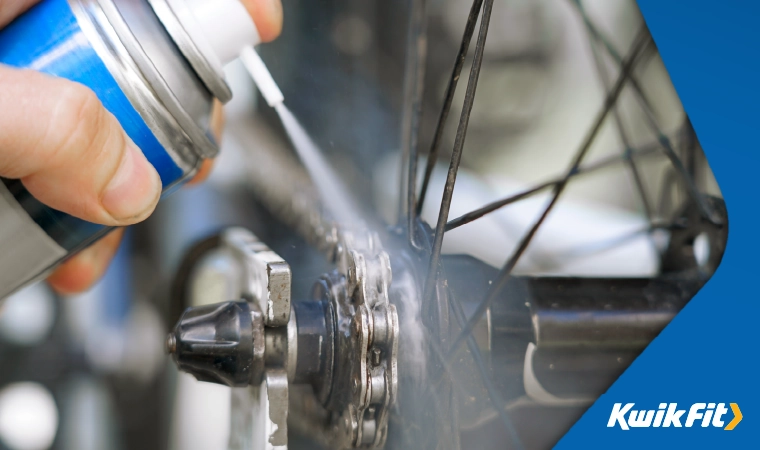
If the rust is still hanging on, WD-40 can help loosen the light surface rust so it’s easier to brush away. Once the chain is clean, dry it thoroughly and finish with a dedicated bike chain lubricant before riding.
3. Dry the chain properly
Don’t leave moisture sitting around the links after you’ve finished cleaning.
Wipe the chain thoroughly with a clean cloth and allow it to dry completely. This is particularly important if you’ve rinsed away the degreaser or cleaned the bike with water.
4. Apply fresh chain lubricant
Once the chain is clean and dry, apply a bike-specific lubricant to the inside of each link while slowly turning the pedals.
Leave it for a few minutes so it can work into the rollers, then wipe away any excess. You want lubricant inside the moving parts of the chain rather than coating the outside and collecting the next load of road grit.
If you’re giving the rest of the bike a once-over too, there are 10 quick bike maintenance jobs worth checking off while you’re at it.
When should you replace a rusty bike chain?
Some chains aren’t worth trying to rescue.
If links remain stiff after cleaning, the corrosion is heavy, or there are cracks and other visible signs of damage, replacement is the safer option.
Age and wear matter too. Bike chains gradually elongate as the pins and rollers wear, and rust doesn’t reset that clock. If your gears are skipping, shifting feels rough, or a chain wear tool shows that the chain has stretched beyond its recommended limit, it’s time for a new one.
Continuing to ride with a badly worn chain can also wear the cassette and chainrings, turning a relatively simple chain replacement into a more expensive drivetrain repair. Regular checks and good chain care can help you avoid that, so it’s worth knowing how to extend the lifespan of your bike chain.
How can you stop your bike chain from rusting again?
A little regular attention goes a long way. You don’t need to deep-clean the drivetrain after every ride, but these habits can help keep rust at bay:
- Wipe the chain down after wet or muddy rides.
- Clean away winter road salt and grime rather than letting it sit.
- Reapply lubricant after cleaning or when the chain starts sounding dry.
- Choose a lubricant suited to the conditions you ride in.
- Store your bike somewhere dry where possible.
- Check the drivetrain regularly so you catch early rust before it spreads.
Wet-weather lubricants are particularly useful for riders who spend a lot of time cycling in the rain because they’re designed to stay on the chain in wetter conditions.
Keep your bike running smoothly
Rust is much easier to deal with when it’s caught early, so it’s worth keeping an eye on your chain as part of your usual bike checks. If the links feel stiff, the rust looks severe or you’re not sure whether the chain is still fit to ride, it’s worth getting a second opinion before heading out.
Our mechanics can inspect the chain and drivetrain, check for wear and replace any parts that have reached the end of their life. Book bike servicing or repairs with Fettle and we'll help get you back on the road without the faff.


Any facts, figures and prices shown in our blog articles are correct at time of publication.
Featured Articles
Is it Illegal to Drive With One Headlight?
Saturday 19th July 2025

Wondering if it’s illegal to drive with one headlight? Learn about the safety risks and penalties of illegal blown bulbs and why you should fix them promptly.
Air Con in EVs & Hybrids: Experts Answer Your Questions
Monday 30th June 2025

Does air con drain EV batteries? Can you use the air con while charging an electric car? Find out the answers to these questions & more from Kwik Fit’s experts.
Why Is Your Car Making a Noise? Fixes & Tips
Friday 13th June 2025

When your car starts making unexpected noises, it can certainly be quite disconcerting; it may be nothing to worry about, but here’s what you need to know.