
Why Is There Dust On Your Car (& How To Clean It)?
Jessica Bird | Friday 27th March 2026 10:30am
Have you ever noticed a layer of yellow, red, or brown dust on your car in the warmer months and wondered what it was? Or, more importantly, how it got there?
Dust settling on cars is a common occurrence in the UK, especially during dry or windy conditions. In some cases, it can even come from thousands of miles away, as weather patterns bring Saharan desert dust into the UK, leaving a noticeable coating on vehicles.
Read on to learn more about the dust on your car, and how to remove it without damaging your paintwork.
Why is there so much dust on my car?
If you’ve woken up to a mysteriously dusty car overnight, don’t worry. It’s normal and easy to remove (but a little annoying if you just washed your car the night before).
Dust and other debris naturally accumulate on cars when tiny airborne particles settle on stationary surfaces. If your car is left outside overnight or during dry spells, you may notice dust building up quickly. This is especially true in areas with high urban pollution levels, in places where construction work is going on, during high pollen conditions, and when the weather is windy and dry.
How & why does dust actually stick to cars?
Believe it or not, cars are actually quite “sticky” objects that attract dust and debris, even when they’re moving:
- Friction from the air when a car is travelling creates an electrical charge, which acts a bit like a static electricity magnet to pull in airborne dust particles.
- On dusty roads, rear windows and bumpers often get coated with dust due to the “vacuum” effect created behind the moving vehicle.
- Lastly, condensation can sometimes leave dusty deposits in its wake, as mist or dew traps floating dust and makes it cling to the paintwork.
Where does the dust come from?
In the UK, the dust that accumulates on parked vehicles is most commonly from everyday, local sources, including:
- Road dust. Minute particles from road surfaces and car components (eg: eroded brake and tyre materials) are always present in high-traffic areas.
- Soil and sand. During windy weather, the dry soil on open ground and farmland can give off dust.
- Pollen. During the spring and summer, pollen often settles on windshields and forms a thin film.
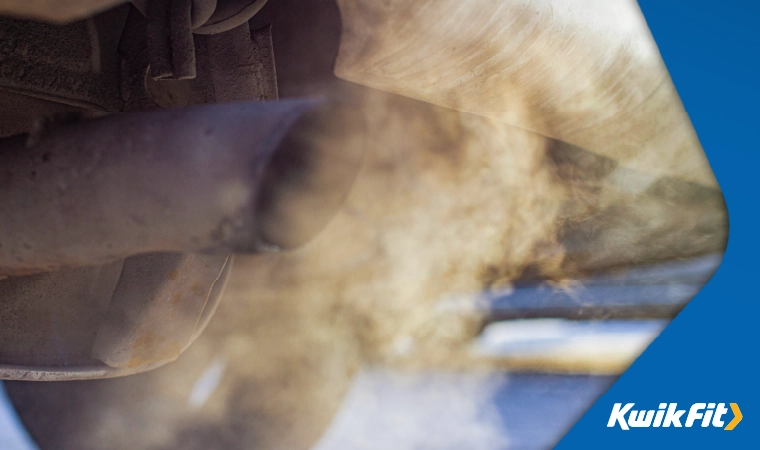
- Pollution. In urban areas within high traffic flows, airborne particles (eg: those in vehicle exhaust fumes or from industrial activity) can settle on car surfaces.
However, occasionally, the dust on UK cars comes from further afield…
What is Saharan dust and how does it reach the UK?
One of the most surprising sources of dust on UK cars is “Saharan dust”, or “desert dust”.
Saharan dust is made up of extremely fine mineral particles lifted from the desert surface during strong winds. These particles are carried high into the atmosphere by weather systems and transported thousands of kilometres from North Africa.
When atmospheric conditions are right, these dust clouds travel north across Europe and occasionally reach the UK. The dust itself is a reddish-brown colour, similar to rust, and often leaves cars looking lightly dusted in mud.
What is "blood rain"
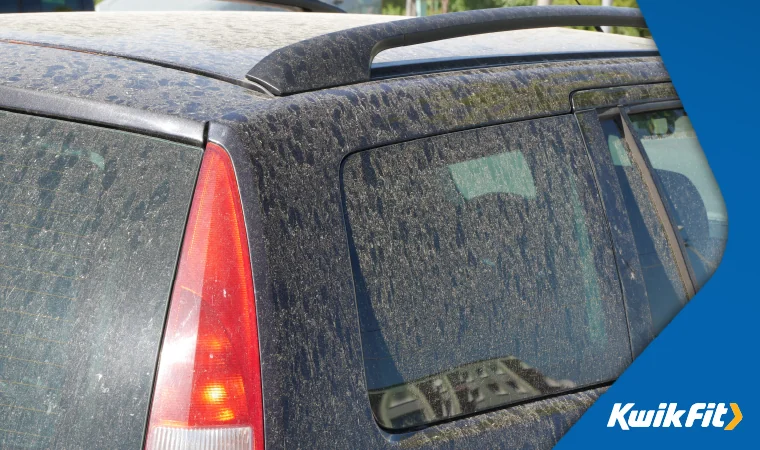
When rain carries the desert dust particles down to ground level, it can create what is commonly known as “blood rain” or “mud rain” This can leave cars covered in a thin, dusty residue once the water dries. The meteorological phenomenon is given its name due to the reddish hue that the rain has when it falls.
Does leaving dust on a car damage paint?
Light layers of fine dust are usually not harmful to your car in the short term, if removed carefully. However, dust is an abrasive material that can scratch paintwork and clog air filters if left to sit for long periods or time, and not cleaned off properly.
Dust particles often contain minerals or grit. If dust is rubbed across the paintwork without proper washing, it can essentially act like fine sandpaper and cause scratches. Dust can cause:
- Scratches or swirl marks in paintwork from wiping dust away dry
- Reduced visibility if dust builds up on the windscreen
- Clogged air filters if dust enters the engine air intake over time
This is why it is always a good idea to wash dusty vehicles gently, rather than wiping them with a dry cloth or scrubbing at the paintwork.
How to clean dust from your car without damage
If your car is covered in dust, especially after a “blood rain” or desert dust event where the dust may be more abrasive, cleaning it carefully will help avoid scratching the paint.
Follow these simple steps to get rid of Saharan dust safely:
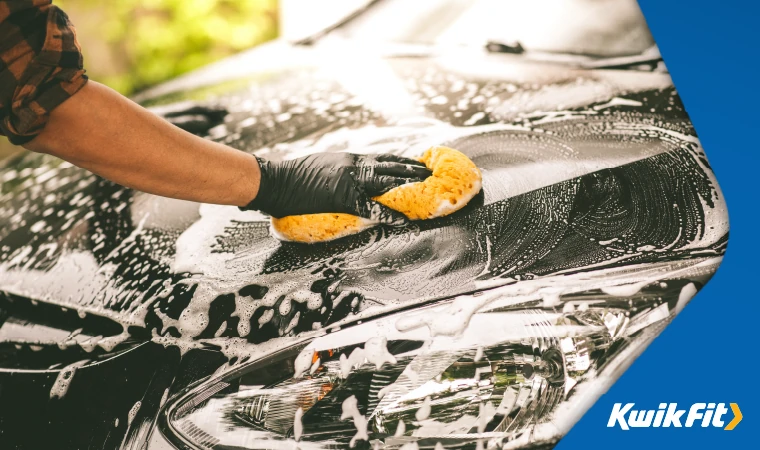
1. Rinse the car thoroughly first
Use clean water to rinse away loose dust and particles from your car, headlights, and tyres. An initial rinse will remove any abrasive material before you begin cleaning the car’s paintwork.
2. Use a car shampoo
Once the abrasive particles have been gently rinsed away, apply a car-specific cleaning solution and wash the vehicle with a soft sponge or cloth. Avoid heavy scrubbing motions here.
3. Work from top to bottom
Start at the roof and work downwards, so dirt flows away from already cleaned areas and down towards the tyres.
4. Rinse the car thoroughly
Make sure all soap and loosened dust particles are washed away with clean water, again working from top to bottom to avoid stray suds.
5. Dry off with a microfibre towel
Using a soft drying towel, gently wipe away any remaining water droplets to prevent water marks and protect the paint finish. Avoid using household detergents or rough cloths, as these can damage the paintwork.
For more detailed guidance, read our Complete Guide to Keeping Your Car Clean.
Can dust damage a car engine or other car parts?
It's worth noting that dust doesn’t just settle on the exterior of your vehicle. Over time, it can also affect components that rely on clean airflow.
If your car is regularly exposed to dust, you should keep an eye on the following components:
- Air filters. Engine air filters prevent dust and debris from entering the engine. If they become clogged, airflow can be restricted, and engine performance may suffer.
- Air intakes. Dust can accumulate around air intake areas, particularly if you frequently drive on dusty roads.
- Cabin filters. These filters stop dust and pollen from entering the vehicle interior through the ventilation system. If you notice reduced airflow or unusual smells inside the car, it may be worth checking the cabin filter.
Make sure that you get your vehicle serviced regularly to keep these crucial components clean and functioning properly.
Care for your car with Kwik Fit
Seeing your car covered in dust can be surprising, especially when unusual weather events like Saharan dust reaching the UK make headlines. While the dust itself is usually harmless, cleaning it properly is important to avoid scratching your car’s paintwork, or allowing particles to build up in key components.
If you’re concerned about dust particles and your vehicle, book in for a service at your local Kwik Fit. For more car care guidance, continue reading the Kwik Fit blog.


Any facts, figures and prices shown in our blog articles are correct at time of publication.
Featured Articles
Is it Illegal to Drive With One Headlight?
Saturday 19th July 2025

Wondering if it’s illegal to drive with one headlight? Learn about the safety risks and penalties of illegal blown bulbs and why you should fix them promptly.
Air Con in EVs & Hybrids: Experts Answer Your Questions
Monday 30th June 2025
Does air con drain EV batteries? Can you use the air con while charging an electric car? Find out the answers to these questions & more from Kwik Fit’s experts.
Why Is Your Car Making a Noise? Fixes & Tips
Friday 13th June 2025

When your car starts making unexpected noises, it can certainly be quite disconcerting; it may be nothing to worry about, but here’s what you need to know.