
How To Drive Safely In Strong Winds
7 steps to be safe on the road in tricky conditions
- Check weather warnings and road conditions before setting off, and be prepared to delay your journey if conditions are severe.
- Reduce your speed to give yourself more time to react to sudden gusts, debris or other hazards.
- Keep both hands firmly on the steering wheel and make smooth, controlled steering adjustments.
- Leave extra space around your vehicle, particularly on exposed roads and when conditions are unpredictable.
- Be prepared for sudden crosswinds on bridges, open stretches of road and when moving out of sheltered areas.
- Give vulnerable road users and high-sided vehicles extra room, including cyclists, motorcyclists, lorries, vans and vehicles towing caravans or trailers.
- Park away from potential falling hazards such as trees or loose structures where possible.
Strong winds can make your car harder to control, particularly when gusts hit from the side. And, while there is no single wind speed at which driving becomes unsafe for every vehicle, sudden crosswinds can catch drivers off guard, with larger, higher-sided vehicles being especially vulnerable.
Before setting off on a journey when the winds are strong, check the weather warning and road conditions on your route, and be prepared to delay your journey if conditions are severe or you cannot drive safely.
When is it too windy to drive?
Met Office weather warnings are based on both the likely impact of the weather and how probable it is that those impacts occur, rather than wind speed alone. Check the details of any warning affecting your route, including when it applies and the disruption expected.
- Yellow warning: Check the forecast details and prepare for possible disruption. Conditions can vary considerably within a yellow warning area.
- Amber warning: More widespread disruption is likely, including possible road closures and travel delays. Consider changing plans that could be affected.
- Red warning: Dangerous weather is expected. Avoid travelling where possible and follow advice from the emergency services and local authorities.
Always follow any road or bridge closures that are put in place during severe weather.
Heading 2 with Paragraph
When driving in strong winds, motorists are advised to reduce their speed so that they have more time to react if the wind affects their vehicle or other road users.
- You should keep both hands firmly on the steering wheel and make smooth, controlled steering adjustments.
- Avoid sudden corrections, as the strength of the wind can change quickly.
- Leave extra space between you and the vehicle in front, as strong gusts can cause vehicles to move unexpectedly.
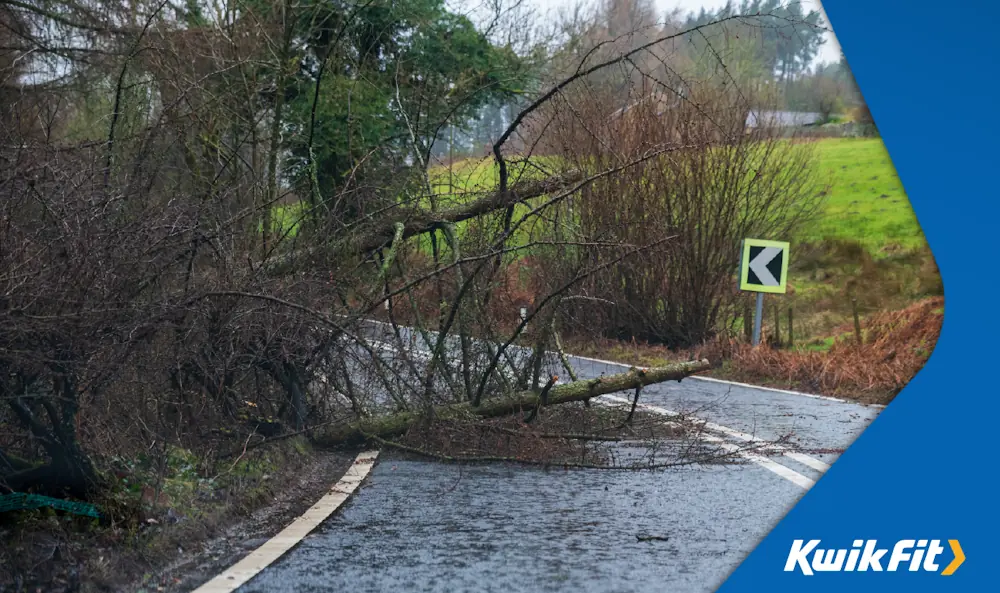
- Stay alert for fallen branches, loose debris and other hazards in the road.
If conditions become difficult to manage, find a safe place to stop and wait for the weather to improve.
Where are crosswinds most dangerous?
Crosswinds can be particularly strong on exposed roads, bridges, and stretches with gaps between hedges, trees, or buildings. Moving from a sheltered area into an open section can expose your vehicle to a sudden gust.
Leave enough room on either side of your car to account for sudden sideways movement.
Which vehicles and road users are most affected by strong winds?
High-sided vehicles such as lorries, vans and motorhomes can be more difficult to control in strong winds because more of the vehicle is exposed to the force of the wind. Vehicles towing caravans or trailers can also become less stable as the wind picks up.
Cyclists and motorcyclists are particularly vulnerable, as wind can affect their balance or push them sideways. Give these road users extra space and only overtake when you can leave a safe gap. Be prepared for their position on the road to change unexpectedly
Where should you park in strong winds?
When wind conditions are extreme, try to park away from trees and other objects that could be damaged or dislodged by strong winds, such as loose roof tiles or unsecured structures.
Pay attention to any local restrictions or safety advice, particularly if severe weather is affecting the area.
Prepare your car for bad weather
Before travelling in poor weather, make sure key safety components such as your tyres, lights, and wipers are in good working order.
If you’re unsure, book a free vehicle safety check at your local Kwik Fit centre. Our Kwik Fit technicians can identify any issues that may need attention before you set off.