
Top 10 Dad-Approved Car Maintenance Tips
Jessica Bird | Friday 12th June 2026 11:25am
Car advice from your dad isn’t always welcome, but it’s also not always wrong. In fact, a dad who’s willing to give you car advice can end up saving you headaches in the long run. That’s because a lot of general car maintenance tasks are pretty straightforward, but also things that people forget to think about.
So, in honour of Father’s Day, we’ve pulled together 10 dad-approved car maintenance tips that are simple and genuinely useful. Some you can do yourself at home, while others can help you know when it’s time to get a professional in. They’ll help keep your car safer, smoother, and less likely to spring an expensive surprise just when you least need it.
1. Check your tyre pressure
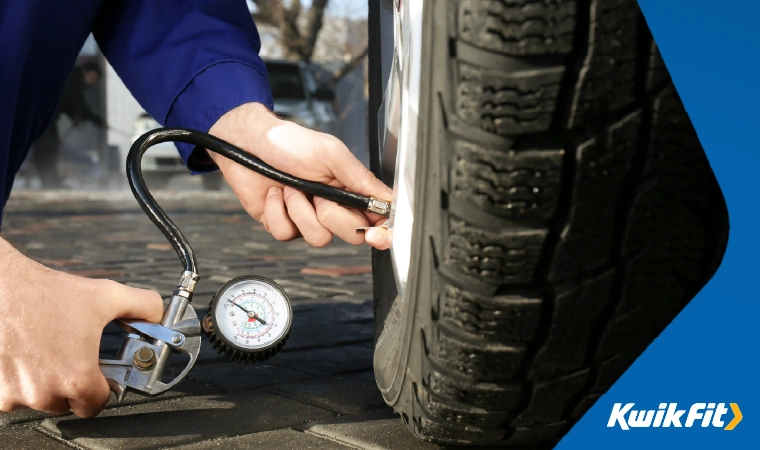
Tyre pressure is one of those small things that can make a big difference. If your tyres are underinflated, your car can use more fuel, feel less responsive, and wear through rubber faster. Overinflated tyres aren’t ideal either, as they can dramatically affect grip and comfort.
Your car’s recommended tyre pressures are usually listed in the handbook, inside the fuel filler cap, or on a sticker inside the driver’s door. You’ll often get different numbers for your front and rear tyres – as well as numbers for high and low weighting. It’s important to check them when the tyres are cold, and don’t forget to check the spare if you have one.
2. Give your tyre tread the 20p test
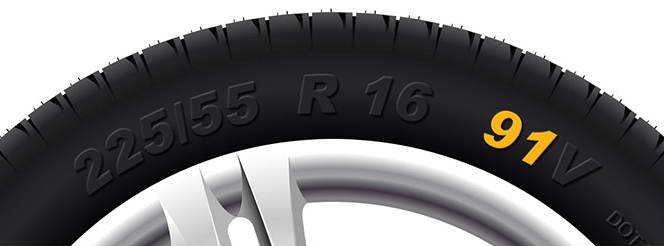
It should go without saying that tyres are your only contact with the road, so tread depth matters. The legal minimum tread depth in the UK is 1.6mm across the central three-quarters of the tyre, but it’s wise to keep an eye on them before they get that low.
A quick way to check is the 20p test. Place a 20p coin into the main tread grooves. If you can see the outer band of the coin, your tread may be too low, and it’s time to get it checked by the experts at your local Kwik Fit centre.
3. Don’t ignore your warning lights
A warning light is, well, a warning. And unlike some parental warnings, warning lights on your dashboard should never be ignored. But that doesn’t mean you should panic as soon as one comes on, either.
A red warning light usually means you should stop as soon as it’s safe to do so. Amber lights often mean something needs checking soon (rather than immediately), but is still important. Common culprits here include engine management, tyre pressure, oil, brakes, and battery issues.
If a warning light is flashing, however, you should stop as immediately as is safe and see what’s going on. If a problem isn’t immediately clear with a flashing warning light, then you’re better off calling for breakdown assistance rather than driving to a garage and risking causing additional damage. If you have a red or amber light, then it’s often safe to continue so you can get to a garage as soon as possible.
But it’s worth nothing here that different car makes and models use different warning conventions – so don’t just take our word for when you should stop. Instead, check your vehicle’s handbook – which is essentially going to be your dad in book form.
4. Keep your fluids topped up
Your car relies on several fluids to stay healthy. These include engine oil, coolant, brake fluid, and screenwash.
Oil helps protect your engine, coolant helps stop it overheating, and screenwash helps you actually see where you’re going. That last one sounds obvious, but anyone who’s run out of screenwash on a salty motorway knows it’s not something to take lightly.
It’s crucial to check fluid levels regularly, especially before longer trips. Importantly, though, make sure the engine is cool before checking coolant, and use the correct oil and screenwash for your vehicle and the weather.
5. Test your wipers before the rain does
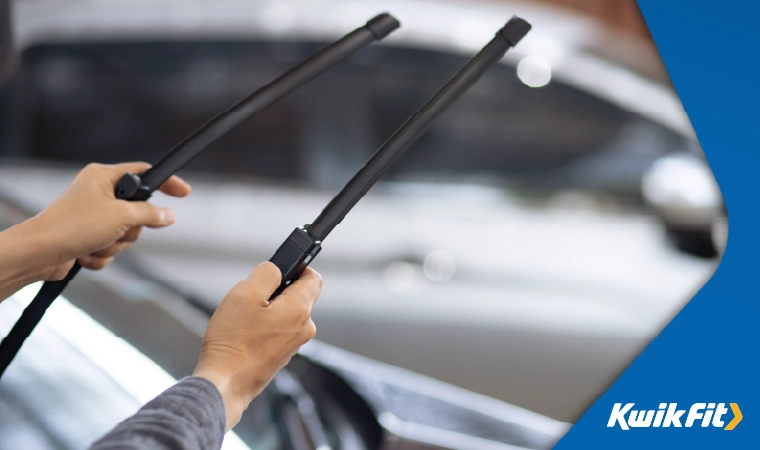
Wipers are easy to forget about until they start squeaking, smearing, or flapping dramatically across the windscreen. By that point, they’re already way overdue a change.
A good set of wipers should clear the glass smoothly and quietly. If they leave streaks, judder, or miss patches, it’s time to replace them. It’s also worth checking the rubber for cracks or splits.
For a quick win, clean the wiper blades with a damp cloth and top up your screenwash. If they’re still not clearing properly, you can potentially change your wipers yourself, which can be fiddly, or we can help.
6. Listen to your brakes
Brakes don’t always fail suddenly. They often give you subtle clues; squealing, grinding, vibration, pulling to one side, or a spongy brake pedal can all be signs that something needs attention.
Brakes issues aren’t something to ignore. If anything feels or sounds different, get them checked as soon as you’re able to.
We offer free brake checks at our centres, so you can have a technician take a proper look and advise what, if anything, needs replacing.
7. Look after your battery
Car batteries have a habit of giving up at the least convenient moment, usually when it’s cold, dark, and you’re already running late.
Signs of a weak battery can include slow engine cranking, dim lights, electrical glitches, or the battery warning light appearing on the dashboard. Short trips, cold weather, and leaving lights or accessories on can all make battery problems more likely.
If your car has been struggling to start, don’t wait for it to fail completely.
8. Check your lights - all of them
Headlights, brake lights, indicators, fog lights, and number plate lights all matter. Some help you see, some help other drivers see you, and some keep you on the right side of the law.
This is one of the easiest checks to do at home. Turn the lights on, walk around the car, and ask someone to press the brake pedal while you check the rear lights. And if you don’t have a helper available, park near a wall or window and use the reflection.
A blown bulb might seem minor, but it can make your car less visible and more vulnerable on the road. It’s also a quick fix, so it’s worth doing promptly. Consider carrying a few spare auto bulbs in your car.
9. Keep an eye on air conditioning
As much as it’s lovely on hot days, air con isn’t just for when the sun’s out. It helps demist your windscreen in colder weather too, which makes it a year-round safety feature.
If your air con isn’t cooling properly, smells musty, or takes ages to clear the screen, it may need a check, recharge, or clean. Running it regularly, even in winter, can help keep the system working as it should.
If it’s not performing like it used to, we offer a range of air conditioning services to make sure it’s always working at its best.
10. Book regular servicing, not just repairs
This might be the most dad-approved tip of all: don’t wait for something to go wrong. Good car maintenance isn’t necessarily about being a mechanic. It’s about noticing the basics, and not ignoring the little signs your car gives you.
Regular servicing is one of those maintenance tasks that helps spot wear and tear before it turns into a bigger problem. It also helps your vehicle run more efficiently, last longer, and feel better to drive – essentially like a health check for your car.
Whether you need an interim service, full service, MOT, or a general safety check, Kwik Fit can help you stay on top of routine maintenance without making it complicated. Find your local centre here.


Any facts, figures and prices shown in our blog articles are correct at time of publication.
Featured Articles
Is it Illegal to Drive With One Headlight?
Saturday 19th July 2025
Wondering if it’s illegal to drive with one headlight? Learn about the safety risks and penalties of illegal blown bulbs and why you should fix them promptly.
Air Con in EVs & Hybrids: Experts Answer Your Questions
Monday 30th June 2025
Does air con drain EV batteries? Can you use the air con while charging an electric car? Find out the answers to these questions & more from Kwik Fit’s experts.
Why Is Your Car Making a Noise? Fixes & Tips
Friday 13th June 2025

When your car starts making unexpected noises, it can certainly be quite disconcerting; it may be nothing to worry about, but here’s what you need to know.