
Why Does My Car Feel Like It's Struggling?
Jessica Bird | Tuesday 2nd June 2026 3:29pm

When you drive your car every day, you tend to get to know it better than anyone else – so when it suddenly feels slower, heavier, or just not quite right, it feels noticeable.
Perhaps it’s taking longer to pull away at the lights, maybe it’s struggling up hills, or maybe the engine sounds like it’s working hard, but, regardless, the car isn’t picking up speed the way it should. Whatever the symptom, a car that feels like it’s struggling is usually one that needs attention.
The good news, however, is that sluggish acceleration or power loss doesn’t always mean a major fault. Sometimes it’s something simple, like low tyre pressure or dirty filters. Other times, it can point to a problem that needs attention sooner rather than later.
Here’s a helpful guide to the most common reasons your car might feel like it’s lacking power.
1. Your tyres could be making life harder
Tyres are one of the first things worth checking when your car feels sluggish.
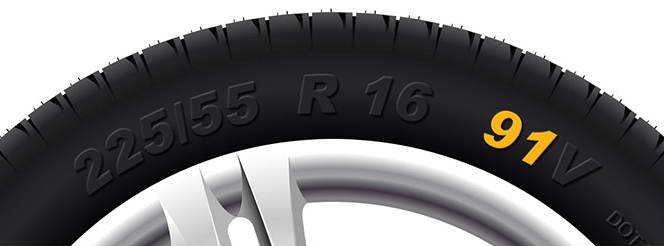
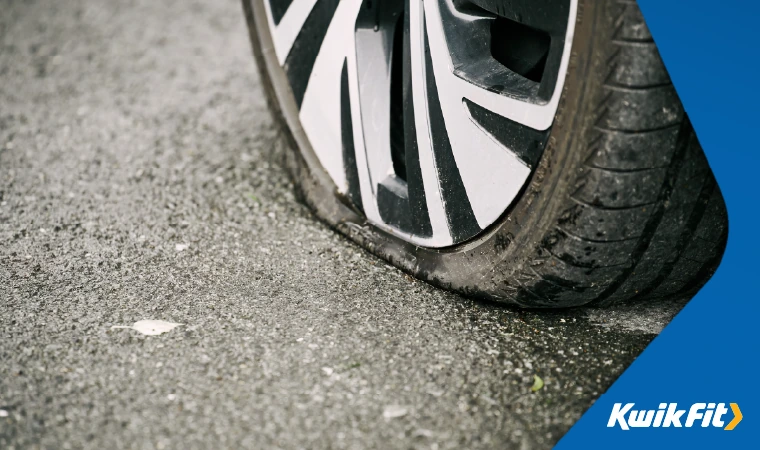
If your tyre pressures are too low, your car has to work harder to move. That’s because underinflated tyres sag and therefore create more rolling resistance, which can make acceleration feel slower, and negatively impacts fuel economy. As a result, you might also notice the steering feels heavier than usual.
This doesn’t just happen when your tyre pressures are incorrect; uneven tyre wear can also affect how your car feels on the road. If one or more tyres are badly worn, damaged, or not suited to the conditions, your car will often feel less responsive. If your tyres are looking worn, cracked, bulging, or uneven, it’s worth getting them checked by a professional.
That said, a quick tyre pressure check is an easy first step. Use the recommended pressures in your vehicle handbook, or on the sticker usually found inside the driver’s door or fuel filler flap.
2. The air filter might be clogged
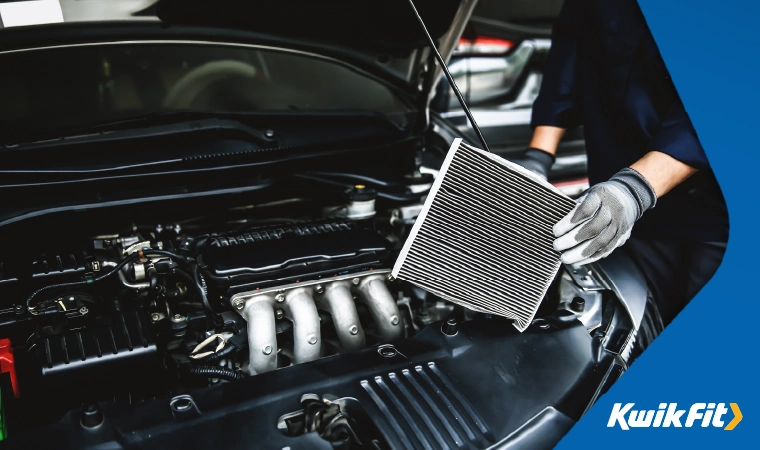
Your engine needs a steady mix of fuel and air to run properly. The air filter helps keep dirt, dust, and debris out of the engine but, over time, it can (and tends to) become clogged.
When that happens, your engine can’t get enough clean air, and this leads to weaker performance, poor acceleration, and increased fuel use. It usually feels as though the car is holding back, especially when you put your foot down.
Air filters are usually replaced as part of routine servicing, but if you drive in dusty areas, on rural roads, or in heavy traffic, yours may get dirty sooner.
3. There could be a fuel system issue
The fuel system is another possible culprit for a sluggish-feeling car.
Your engine needs the right amount of fuel at the right time. If something interrupts that flow, the engine doesn’t work as well, meaning it doesn’t output the same amount of power as it’s supposed to. Common causes include a blocked fuel filter, a weak fuel pump, or dirty fuel injectors.
You might notice hesitation when accelerating, rough idling, engine misfires, or the car feeling like it’s about to stall. In some cases, the issue may come and go, which usually makes it harder to pin down.
Fuel system problems are best checked by a professional, as the symptoms can overlap with other engine faults.
4. Your spark plugs may be worn
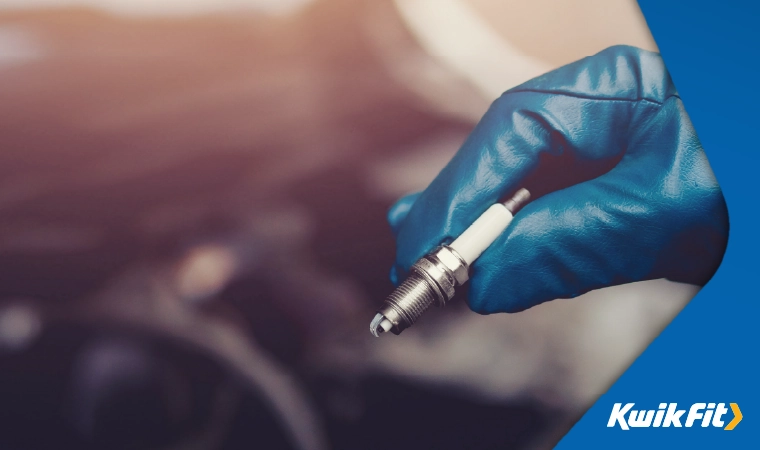
In petrol cars, spark plugs ignite the fuel and air mixture inside the engine. If they’re worn, dirty, or failing, the engine won’t be able to burn fuel efficiently – even if it’s still technically working.
This can make your car feel sluggish, especially when accelerating. You might also notice the engine juddering, misfiring, or using more fuel than normal.
Spark plugs don’t last forever, and they’re normally replaced at set intervals. If you can’t remember when yours were last changed, or your car is due a service, it’s worth having them checked.
Diesel cars don’t use spark plugs in the same way, but they do have glow plugs. You can think of them as similar to spark plugs, but instead of being used to combust the fuel, they’re used to pre-warm cylinders ready for combustion.
5. The clutch could be slipping
If you drive a manual car and the engine revs rise without the car speeding up properly, your clutch could be slipping.
A slipping clutch can start fairly subtly, but eventually makes the car feel weak, particularly when accelerating, climbing hills, or carrying extra weight. You might also notice a burning smell after driving, or the biting point may feel higher than usual.
Clutch wear usually develops gradually, so you may not notice it at first. But once it starts slipping, it’s unlikely to get better on its own. It’s best to get it checked before it becomes harder to drive safely.
6. The exhaust could be restricted
Your exhaust system is a vital part of the whole engine because it allows spent gases to be vented out. Without being able to vent those gases, pressure builds in the engine, and it’s not able to continue operating. So if, for example, there’s a blockage or restriction, your engine can’t breathe properly.
As you’d imagine, this then leads to poor acceleration, reduced power, strange smells, unusual noises, or warning lights on the dashboard. With severe blockages, it can actually lead to your engine stalling repeatedly.
One possible cause here is an issue with the catalytic converter or diesel particulate filter, often called the DPF. Diesel cars with a blocked DPF often feel particularly sluggish, and you may see a warning light appear.
7. Your brakes might be binding
While it tends not to be the first thing people think of, brakes exist specifically in order to slow your car down – so if your car’s feeling particularly sluggish then it could be that your brakes are doing their job too well. Or, in other words, that your brakes are binding.
This happens when a brake caliper sticks (usually due to rust or grime build-up) or a handbrake mechanism doesn’t release fully. When a brake binds, one or more of your wheels tend to be held back slightly while you’re driving – which can cause the car to feel like it’s pulling in a certain direction or to feel generally resistant.
Other signs include a burning smell, one wheel feeling hotter than the others, or generally reduced fuel economy. Crucially, binding brakes can affect safety, so don’t ignore them.
8. Engine sensors may be sending the wrong information
Modern cars rely on sensors to manage fuel, air, emissions, temperature, and many other systems. If one of these sensors starts to fail, the engine may not run as smoothly or efficiently as it should.
A faulty sensor can cause poor acceleration, rough running, increased fuel use, or a dashboard warning light. In some cases, the car may enter “limp mode”, which limits performance to help protect the engine. Because the Check Engine Light doesn’t tend to give you very much information on the dashboard, you’ll need to get your car looked at by a professional who can perform thorough diagnostic tests.
If your engine management light is on, it’s worth getting a diagnostic check. This can help identify what the car’s computer has detected.
9. It might simply be overdue a service
It’s easy to feel like something terrible is happening under the hood – but, sometimes, a struggling car is just a car that needs a bit of love and care. Old oil, dirty filters, worn spark plugs, low fluids, and tired components are individually not particularly noticeable, but can all add up to make your car feel a lot less responsive.
Regular servicing helps keep everything running as it should. It can also spot small problems before they turn into expensive repairs. Trust the experts at your local Kwik Fit centre to get your car feeling as good as new. Find your local centre and book an appointment here.


Any facts, figures and prices shown in our blog articles are correct at time of publication.
Featured Articles
Is it Illegal to Drive With One Headlight?
Saturday 19th July 2025

Wondering if it’s illegal to drive with one headlight? Learn about the safety risks and penalties of illegal blown bulbs and why you should fix them promptly.
Air Con in EVs & Hybrids: Experts Answer Your Questions
Monday 30th June 2025
Does air con drain EV batteries? Can you use the air con while charging an electric car? Find out the answers to these questions & more from Kwik Fit’s experts.
Why Is Your Car Making a Noise? Fixes & Tips
Friday 13th June 2025

When your car starts making unexpected noises, it can certainly be quite disconcerting; it may be nothing to worry about, but here’s what you need to know.